
Posted on Leave a comment

What Does Book Proofreading Include?

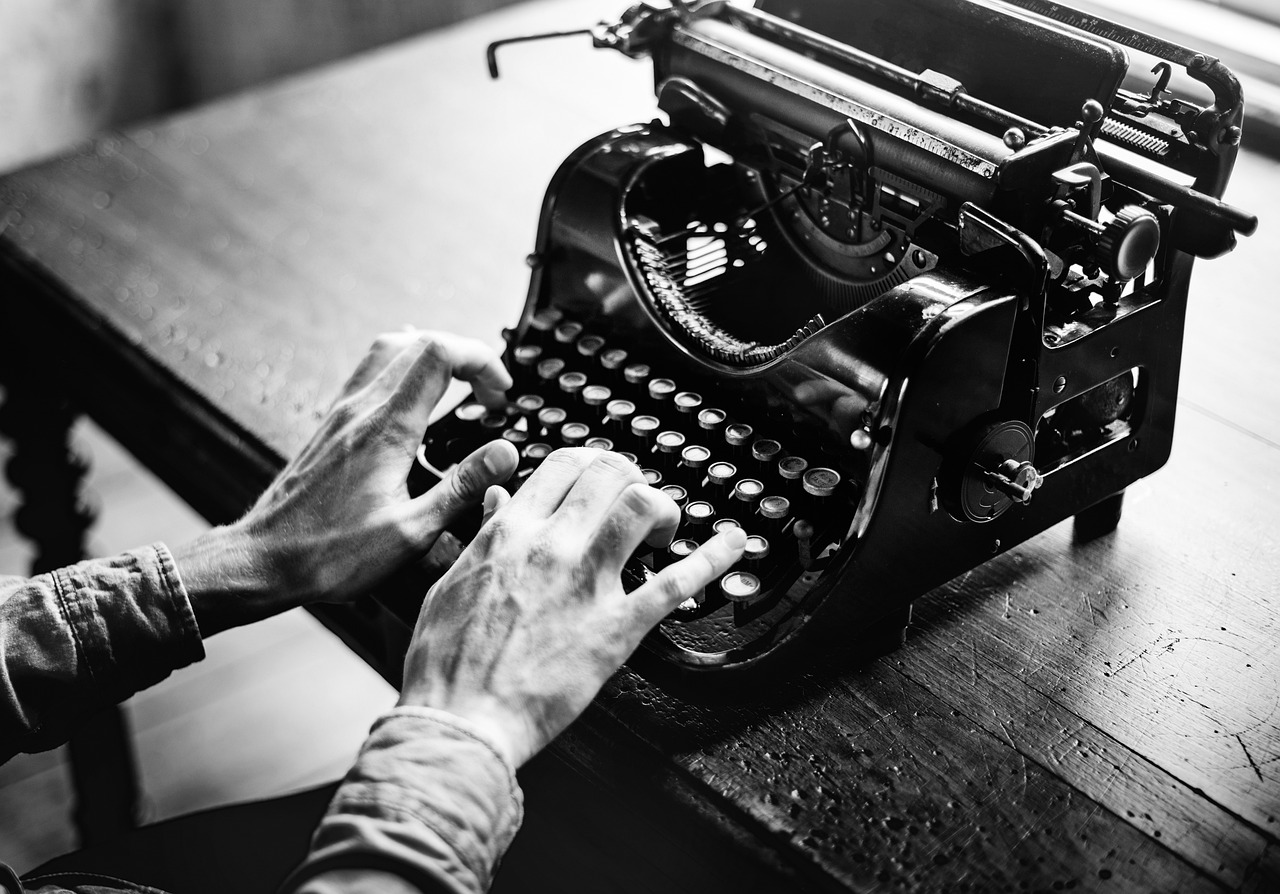
Hand holding red pen for book proofreading with typewriter in the background.

What Does Book Proofreading Include?

While many people mistakenly believe all stages of book editing are the same as book “proofreading,” there is most definitely a difference. 

Not sure if your manuscript is ready for a proofread? Asking yourself, “How do I find someone to proofread my book?” Read on for answers!

Traditional Publishing Sets the Standard for Book Proofreading

In traditional publishing, most stages of book editing are done in a word-processing program. As you might suspect, Microsoft Word is the industry standard for document editing. Even if you write your manuscript in Google Docs, Apple Pages, or another word processor with some text enhancement features, expect your editor to convert your manuscript into a Word document to access the fullest range and best editing features available on the market. 

Don’t worry too much about formatting and layout in this software. There are a few things that should be done to make the overall editing process smoother, but don’t get stressed out about making your Word document look like your vision for the final product. For all its wonderful aspects, MS Word is not the best program for finalizing your book manuscript. 

Once all the stages of book editing are complete – which, in traditional publishing, is typically four rounds of edits (developmental, content, line, and copy editing) – a designer at the publisher will use software like Adobe InDesign to convert your manuscript into a “galley proof.” 

This is when your document begins to “look like” a book! The designer prepares your manuscript by adding things like the correct spacing between lines, drop caps at the beginnings of chapters, fancy or final fonts, images with captions, page numbers, headers and footers with your name, the chapter title or book title, and other design elements. At this point, you’ll no longer be working with an MS Word document; your galley proof will have been converted into a PDF file. 

Now, because all these formatting and design elements have been added to the galley proof, it is more difficult to edit and make large-scale changes to it. PDFs are more complex files that hold more information, and making changes to them can require more steps. Once your galley proof has been designed, you are truly ready for book proofreading.

So What Is Involved in Book “Proofreading”?

Different steps in the stages of book editing focus on different concerns. True book proofreading involves a very light touch, where the proofreader focuses on correcting only “true errors.” Your proofreader will review your galley proof PDF and mark up or make specific changes to typos, spacing errors, and style elements. For example, your proofreader might correct capitalization or apply or remove italics where appropriate. Hopefully, your editor has caught most of these, but sometimes during the process of converting your file from a Word document to a PDF, elements get missed or mistakes happen.

Keep in mind, your proofreader is not reading for ideas or content. They are not fact-checking or confirming spellings of names of public figures or other Google-able information. They are not going to give you feedback on character development or plot holes. They, honestly, are not really paying attention to the same things your editor should have paid attention to. They are focused on finding those true errors that your editor may have missed or that could have even been introduced at some point during the editing or file conversion process. They are focused on checking the consistency of design elements and making sure everything “looks right” in addition to the text being as error-free as possible.

Why Is Book Proofreading Important?

Your proofreader is the last set of eyes to go through your manuscript before it goes to the printer. Hopefully, your proofreader finds an error only about once every 1,000 words (or even less often!). By the time the PDF gets to them, it should be mostly clean and polished. Mostly finalized. So close to done that it only needs one more read-through, and that read should catch so few errors that it takes only a few minutes to finalize once they return it to the graphic designer. Then, your approved galley proof goes off to the printer!  

It’s important to understand this process because when you ask someone “Can you proofread my book?,” you’re asking them to pay attention to the smallest details, not the big-picture issues, and you’re trusting them to have a razor-sharp eye to prevent even the smallest error from making its way into the published version. 

Of course, people make mistakes! No one is perfect. And having multiple professionals involved in the various stages of book editing helps to catch as many errors and address as many concerns as possible. Even traditionally published books that have gone through so many rounds of editing and proofreading might still contain errors when they are released to the market. So give a little grace and have a little patience. Proofreaders are doing their best to help make your book as perfect as it can be, but they might miss one or two things if your book is particularly long or dense, or if on a tight deadline.

What Should I Be Aware of When Hiring a Pro to Proofread My Book?

While this blog has discussed the standards found in traditional publishing houses, self-published authors can follow the same process. Some editing might be combined into a single step in the stages of book editing—such as having the same editor perform both content and line edits—but each book should have separate steps for editing and proofreading.

The lesson here is that, as an educated author, you should be aware of the differences between the stages of book editing, including book proofreading. Don’t confuse the two! Of course, there are similarities, and experienced editors can be excellent proofreaders (and vice versa), but don’t tell your editor that your manuscript “only needs a proofread,” unless you’re convinced that it’s so clean and error-free that it’s ready to be put into PDF format. If there are no more changes to make – other than adjusting for true errors – you’re likely ready for a true proofread. Ask a professional for a sample edit or proofread of up to five pages to allow them to determine which type of service your manuscript needs. Once they have evaluated that you’re really ready for a proofread, get excited, because it means that your book’s launch date is just around the corner!
Ready to discuss your book proofreading?

See Related Blog Articles...

Posted on Leave a comment

Tips for Writing a Memoir

Black and white image of typewriter with hands on keys; tips to write a memoir

I enjoy a good memoir. Reading or listening to the stories of real people’s lives, especially told in the person’s own voice and style, can be one of the most pleasant and inspiring experiences. As a long-time and widely read editor of this genre, I have put together the following list of tips for writing a memoir. These should help smooth the process, whether you’re writing your own story or ghostwriting someone else’s.

Tips for Writing a Memoir No. 1: Solid Framework

Step 1: Draft a disclaimer for your imprint page.

Hear me out. Of course, I think you should start with an outline and a basic story structure. But I’m a planner, so that’s my advice for any book. Specifically when you write your memoir, I think you should start by drafting your disclaimers. 

Often, people are nervous that something they say about someone will become a potential problem. This is a very real legal concern. The legal ramifications for libel (publishing untrue and disparaging remarks about another person) can be severe. Of course, I want you to avoid this. 

On one hand, “If people wanted you to write warmly about them, they should have behaved better,” (easy for Anne Lamott to say!), but of course it’s more complicated than that in real life. 

What is generally advisable is to include a disclaimer on your imprint page (copyright page) as well as online excerpts of your material to say that you are telling your story and your interpretation of events that happened in your life to the best of your knowledge and memory. 

You might change people’s names or other identifying details to help protect their identity, if that’s what you choose to do. And if you choose to do that, then include a disclaimer telling your readers that’s what you did. 

Need some examples to work from? Here are some examples of legal disclaimers for your nonfiction book. 

Of course, this doesn’t have to be the final draft. But just to warm up your brain and get you thinking about what you’re going to write and who you’re going to include in your story, spend an hour or so drafting any and all disclaimers you think you’ll need for your memoir.

Step 2: Draft the introduction

I know you want to jump right into telling your story, but make sure you have the framework in place first. My second step in the first of my tips for writing a memoir is to outline and draft your introduction. 

Generally, I’d recommend an introduction that’s two to three pages for the final draft, so for this first draft, just aim for a page. Page and a half maybe. 

In your introduction, you want to grab the reader’s attention at the beginning, which is often done with a “hook” story. An inciting incident. Something that makes them want to know more. If you can tell an interesting, impactful, emotional story in a paragraph or two, you’ll grab them and pull them right into the rest of your book. 

Then, give them a big picture overview. A paragraph or two about who you are and why you decided to write this book. What’s your big idea? The main lesson you learned? What is compelling you to share your wisdom, your humor, your vulnerability (etc.) with them? Spend a little time introducing yourself, but more importantly, be clear and focused about the purpose and intention behind your writing. 

Then, promise them something. What will they get out of your book? What’s in it for them? Promise to entertain, to delight, to inform, to educate, to open a new perspective, to inspire … promise them some kind of verb. It doesn’t have to be over-the-top life changing. But promise them that they’ll know more or have fun. Something personal. 

Now when you write your memoir, you’ll have a clear sense of purpose and a goal to align your content with. Refer back to this draft of your introduction as often as you need to. And of course, after you’ve written the main chapters of your story, go back and revise and finalize this introduction so it not only aligns with what you wrote but so that it says everything you want it to say.

Step 3: Draft the conclusion

I know what you’re thinking: “I came here for tips on how to write my memoir, and you’re talking about framework materials!” 

Look, I know you know your story. You’ll get to that part, I promise. 

But first, draft a page-long conclusion “chapter.” Keep it focused.

Imagine you’re at the end of your writing journey. How do you want to say good-bye to your reader? 

This is your chance to thank them for their time and for joining you on this journey. Tell them how much you appreciate them reading your book. Remind them of the goals and intentions from the introduction and express your hope that they agree the goals were met. 

Then, invite them to connect with you and any other examples of your work online. Include contact information, info for social media and other websites, and anything else you want them to know about where they can find you (events, web courses, other businesses, etc.). 

Of course, if you haven’t set this up yet, don’t worry about it. Put in placeholder text because you’re going to finalize this for real after you write the book anyway. 

Wire framed glasses, dried flowers in a vase, and a handwritten note on a table; use ambiance to write your memoir

Tips for Writing a Memoir No. 2: Balance Truth and Fiction

Second in my tips for writing a memoir is to remember to have some fun with it. Yes, it’s the story of your life, and parts of it may be heavy. But it’s also your time to shine. Your time to tell the world who you are and what you stand for. Your chance to showcase your growth, your talents, and your passion. Take the license to be a bit creative when you need to be…and check out my Tips for Writing Your First Draft

Step 1: Prepare your notes

Now that I’ve advised you on how to build the framework when you start to write your memoir, I can give you my best tips for creative writing in this genre. 

The truth is that memory is notoriously faulty. (Oh, I’m sure. Not your memory, of course…) The first place to begin is your own documentation. Old journal and diary entries, correspondence (including emails or message threads), and video or photo archives are good places to start your own research. 

Sitting to look through all of this can be overwhelming and distracting. Don’t start by diving in. Instead, when you’re writing a chapter, scene, or retelling of something that happened, make note of when you can recall something in your archives that will help you confirm the details. Then later, at a separate time, you can dig through and find your source or reference materials. 

For example, let’s say you want to write about your wedding day. (Forgive me, it’s an easy example). You want to include details about what people were wearing and how old certain people were; you want to include some of the drama of the planning process and what happened after the Big Day. 

Well, you write the scene, and you make an accompanying list of all the places you can double-check yourself on the details: photo collections, emails from certain people in the days leading up to or following the event, family members and friends’ social media posts. Now you have a narrow list of places to check for specific details. Of course, in your research, you may find other details you’d forgotten that you wanted to add, or other info you’d like to change. But that’s what revision is for. 

But preparing your notes before you dig into your own archives can save you a ton of time in the research process

Step 2: Prepare to interview

One of the richest resources for knowledge and perspective that any of us have in our lives is other people. When writing your memoir, consider who else participated in some of the big (or small) moments of your life, and with whom could you confirm the information and discuss your portrayal of events and experiences. 

You may be thinking, “What? I don’t want other people’s words to write my memoir for me. I want to use my own words.”  

Of course, you want people’s input. You want their enhanced perspective to fill in gaps in your knowledge or inform your reflection and discussions about long-term results of things that happened. But don’t feel obligated to include all the information from every interview. You simply can’t. You’ll have to fine-tune what is said so it weaves into your narrative, and some information or people’s perspectives simply may not fit. 

On the practical side of my tips for writing a memoir, I advise creating documentation of your interviews. Record any in-person or virtual voice-to-voice conversations and have them transcribed so you can edit them in where needed. Otter.ai is an excellent resource for this, and you could certainly hire someone to proofread the transcript for you before you begin working with it.

Step 3: Think of memoir like time travel

Now you have all these notes and you have words from others about what happened or what they think happened. You’re getting closer to having a whole story to tell. 

That’s what makes a great memoir more than just a collection of facts about a person’s life – it’s the story of how those facts and events and circumstances and reactions all came together to result in something (someone) who does things differently and who has something to teach: You! 

The best memoirs creatively retell the most important events and balance between the stories that took place in the past and the current version of the person reflecting on the lessons learned or how that event influenced them in the long term. There are different ways to do this, and among my best tips for creative writing is that you figure out what process and structure works for you. 

Some save all their reflection for chapters toward the end of the book; some have a section at the end of each chapter that reflects on the events discussed in that chapter; some interweave or jump forward and backward in time. It all depends on your style, but make sure while you’re writing that you include some narrative about you now, today, as a writer, reflecting on what happened and telling your reader what you hope they learn from it.

What Are Your Top Tips for Writing a Memoir?

The most common writing advice you’ll read — like, show don’t tell and balance between narration, action, and dialogue — applies to whatever you write, but specifically, these are my best tips for writing a memoir. What are yours? Share them below! Memoir is a unique genre that allows a writer to combine their storytelling talents with a little bit of research into facts of personal history. But when you write your memoir, you get to tell your story your way, which is invaluable. Hopefully these tips make the process a bit easier and even maybe a bit more fun! 

Posted on Leave a comment

Types of Beta Readers & Sensitivity Readers

Man holding A and B letters symbolizing types of beta readers and deciding between them

Has someone recommended that you look into getting a “beta reader” or  “sensitivity reader”? You may not realize initially, but they are both types of beta readers that focus on different things in your writing.

If you’re wondering what they are and why they’re helpful, the short answer is that they make your book better.

What Is a Beta Reader?

“Beta” might sound like a techy term, and there’s a reason for that.

In the software industry, programmers release “beta” versions of new programs that a select group of users to test the product. You might have heard about a “beta” version of an app. Basically, “beta” means that issues are still being worked out before the product becomes available to the wider public.

Books are no different! In publication, we add the word “reader,” and a “beta reader” means someone who reads an unfinished draft of a writer’s manuscript in order to give general feedback.

Like an advanced screening for a movie or a dress rehearsal for a performance, the beta reader gets the chance to put their professional or honest consumer opinion into the writer’s ear before the process has been completed. The writer can then make their suggested changes if they choose. 

Over time, there have developed two main types of beta readers: those who focus on readability and the reader experience and are typically just known as “beta readers,” and those who focus on issues of cultural or personal sensitivity, typically called “sensitivity readers.” 

What Is a Sensitivity Reader?

sensitivity reader is a specific type of beta reader that reviews an advanced copy of a book as needed, paying attention to any especially sensitive topics that are touched on.

If your manuscript deals with any potentially triggering topics, a sensitivity reader is a must. Even if you don’t think your book touches a triggering topic, ask your beta readers to keep an eye out for anything that could be considered troublesome. If any of them reports a sensitivity issue, take the next step and hire a sensitivity reader

Sensitivity readers often specialize in a particular type of “hot button issue” or topic. For example, a person with a disability may read a book to see if characters with disabilities are being portrayed in a compassionate way. The reader can help the writer avoid any potential backlash or negative reaction because of a problematic portrayal or treatment of a particular character.

Beta readers and sensitivity readers can help with issues of plot, story structure, character believability and arc, and more. Both types of beta readers might be able to spot issues of race, gender, sexuality, ageism, classism, stereotypes, or political biases, all of which are important to consider in the final stages of drafting.

Why Are there Different Types of Beta Readers?

As you already know, publishing a book is a huge collaborative effort. In order to produce the most well put-together product possible, several people will contribute. If many hands make light work in most things, then many eyes make fewer errors in publishing. 

Are Beta Readers and Sensitivity Readers Needed if You're Self-publishing?

Look, I won’t tell you that you “need” both  types of beta readers. But ask yourself this: do you intend to make money with this book?

If so, you should know that it’s common practice to have manuscripts with traditional publishers go through multiple rounds of development with editors, and at least one round of advanced readers. In today’s traditional publishing market, both types of beta readers are becoming more common and crucial. And, like it or not, traditionally published books (and high-quality self-published work) will be your competition if you’re self-publishing.

If you don’t really care if your book makes money, next ask yourself if you’re interested in your book being the best version of itself it can be. If you want it to shine, and you can honestly and openly accept constructive criticism and work with it, then yes. Do the thing!

If you don’t really care about making money or publishing an A+ quality book, then the last question to consider is: do I care if my book offends people?

Chances are, if you don’t care about it being the best version of itself, then most readers will find a reason to quit reading it in the first 10% of your word count. But, if someone does keep reading after that, do you care if it hurts their feelings or offends them or if they find it insensitive? What if they go online and talk trash about it?

If you want to avoid setting somebody off and dealing with the fallout, consider at least one of both types of beta readers at least. Having two or three people who are members of your target audience should tell you enough to raise any urgent red flags. And if there are many red flags, the next step might be to work with a developmental editor.

Got more questions about both types of beta readers?

Posted on 1 Comment

Write a First Draft: Tips for Fiction & Nonfiction Books

Closeup hands on laptop keyboard for write first draft tips

You may have heard that there’s no wrong way to write a book. When you make the goal to write, first draft jitters can easily get in the way, and without a plan or solid options for your process, you won’t know what’s right or wrong. 

Many pieces of advice for finishing your book first draft won’t work for you. Some advice will only work some of the time, and some advice may even cramp your style or bring on writer’s block if it’s not right for you. 

Let’s review some of the options to help you write your first draft of a book.

Maybe we should separate fiction and nonfiction. There’s similarities of the two, but distinct genres pose different challenges and require different approaches.

Tips to Write a First Draft of a Nonfiction Book

1. Find a Theme

You need a hook. A central theme. Something interesting and fresh that grabs the reader’s attention. It’s the only way to move them through the details of events to understand the story. Your particular insight should be striking and unique. 

For the first draft of a book, think about what makes your book stand out from others like it. Maybe yours is the first to approach a topic from a specific intersection of identities of race, culture, gender, and age. Maybe yours is like another popular advice guide or self-help narrative out there, except yours is aimed to people in a specific occupation or area of the country. 

Whatever it is that makes your book unlike others, identify and lean in when you write your first draft. It can help when you’re stumped about what to write next. Think: how can I connect this back to my central theme? Then, write to answer that.

2. Gather Information

For a nonfiction book first draft, begin with research using public information available online. For a genre such as memoir or biography, you will need to go beyond online materials, but for the first draft, you can begin with widely known sources. For genres such as self-help, spirituality, or some kind of guidance book, you can use internet sources for basic terminology or general background knowledge on complex topics. 

As you write your first draft, keep track of sources. Depending on the citation style your publisher (or you, if you’re self-publishing) chooses, there can be large variations in citations for books, interviews, websites, videos, etc. And if you want to quote from large sections of other people’s copyrighted materials, you may need to reach out to the publisher for the appropriate permissions to reprint. So keep your notes organized as you write a first draft.

3. Write in any Order

When you write the first draft of a book, start with an outline to at least get going. It doesn’t have to spell out everything, but at least have a beginning, middle, and end plotted out. Some people are “pantsers” and don’t do outlines well. Honor your process but start with something

However, no matter how detailed your outline, you don’t have to write it in order. If you’re writing real-life events, no need to start at the beginning and go through each scene chronologically until the end. Write according to what you remember, the scenes you’re most passionate about, the time allotted. Write according to whatever system works best for you but don’t think you have to go from beginning to end. You can skip around until everything is drafted.

Tips to Write Your First Draft of a Fiction Book (Novel)

1. Find a Theme

For a fiction book first draft, focus on characters and plot. Some elements of your characters will be similar to established characters in other books, film, or TV. What makes yours different? Some tropes in your plot will make it similar to existing books that people love. How are you going to implement a twist or be entirely true to that plot device, in support of your story’s central theme? Focus on making your story unique. In later drafts you will hone in on specifics of word choice and details that make your book poetic, literary, or grammatically correct, but when you write your first draft, keep in mind what about these people or their adventures will keep your reader along for the ride.

2. Gather Information

Oh! The rabbit holes you can go down when you write first draft material. Don’t fall into the trap! For your first draft, use brackets and margin comments to mark areas that you can go back to later, especially if you need to research. If you write historical fiction or sci-fi, you may find yourself needing to look up details of complex events, theories, or devices, but keep the writing mindset focused in creative energy. Simply note for yourself where you should research details when the time comes. 

For the first draft of a book, the details matter less. Keep a clear vision of your story and characters and focus on narrative arc. The research to fill in specifics can come later.

3. Write in any Order

One fun way to approach creative fiction writing for your book first draft is to write when the muse speaks to you or when inspiration strikes. Sometimes you can picture a scene perfectly in your mind, and the dialogue just comes to you. Sometimes you hear voiceover or narration for a particularly poignant moment, and you don’t know what has happened to make the character feel like they do, but the words are flowing from your mind to express that disconnected, unprompted feeling. You don’t know where the paragraphs fit into the story, but damn it, you know they are beautiful, and you will fit them in. 

All of that is okay. When you write a first draft, you should put together stories in whatever method works for you. If it’s a bit like a scrap heap that turns into a patchwork quilt, then so be it. The time may come to string those random scenes together to make a story, but for the first draft of a book, you only have to get the random scenes written down.

Conclusion: To Write a First Draft, Be Prepared & Open to Creativity

Don’t be intimidated to write your first draft of a book! It’s a huge achievement, and you’re going to do great. As long as you keep putting down one word after another, you’ll end up with a whole book manuscript before you know it. The key to success is to be prepared with an outline and some basic research, then be open to creativity and your own writing process, as long as you’re keeping the central theme of your book in mind.

Want help to write your first draft? Consider a book coach...

Posted on 1 Comment

How to Face Rejection as a Writer

Sign saying "You got this" next to black computer screen. To remind writers how to face rejection.

Like any creative, you will hear a multitude of advice on how to face rejection as a writer. No two pieces of advice are going to work the same for any one person; each person will have to find what helps soothe or motivate them after a rejection of a draft submission, no answer or ghosting from an agent, or the negative reviews that readers can leave online which may feel like a rejection of the writer’s ability. (Oof.) 

No matter what type of writer you are, you face rejection. And here’s some tips to help you face it head-on when it occurs.

Tips on How to Face Rejection as a Writer

Remember that you are not your art. Your art is not you.

There are a thousand stories out there about rejection. Thousands. Millions. Of people who know exactly what it’s like to be told they’re not good enough in some capacity. Sure, it’s one thing to be told we’re being rejected for a job or a relationship, but when your art is rejected — something so pivotal that some people identify themselves wholeheartedly with it — that might be a whole other sub-variety of rejection unto itself.

Learn not to identify with your art.

All artists must learn to detach from their creative work. To learn how to face rejection as a writer, it’s crucial to understand that you are not your art, and your art is not you. Art is subjective, an expression of yourself but not all-encompassing and totally defining. Rejection by one group (or one agent!) is just one step in the process of allowing your art to express all aspects of yourself in an authentic, genuine, honest, and valuable way.

Understand the value of rejection & testing your mettle

If you are never rejected, how do you know your true worth? Like a child whose parents always say yes — Veruca Salt comes to mind — you will never know the depth of your own disappointment or have the chance to test your resilience if not rejected. If you are accepted everywhere, are you ever truly welcome? And have you done good by humanity and by your own potential, if no one has ever really turned you down?

Writing often requires persistence and tenacity. The ability to keep submitting work despite repeated rejections is a hallmark of successful writers. Many famous authors faced numerous rejections before achieving success. Learning how to face rejection, how to persevere through, is essential for any writer looking to make a lasting impact. Rejection provides an opportunity to test what you’re made of, find out more about yourself. 

Release your creation

Roland Barthes and his essay “Death of the Author” is something that perhaps only lit majors spend a lot of time with, which is a shame for everyone else. At its core, the central idea is that you, as an artist, must cut loose your art from yourself; it must stand on its own in the world. You cannot follow it around and explain away its shortcomings. You cannot fight its battles against critics. Once you release it, you can’t constantly explain or defend it; it must fend for itself. 

Rejection of your art, your perspective, your creative expression is an opportunity for growth, perspective, and self-evaluation.

Become responsive to rejection

Rejections can lead you to explore new avenues and take creative risks. If one type of writing consistently faces rejection, an adaptable, flexible, and creative writer may be encouraged to try different genres or styles, expanding their horizons and ultimately becoming more versatile and well-rounded in their craft. Respond to the situations you’re in; adapt and overcome as necessary. One (very successful) way how to face rejection as a writer is to write to your strengths; it just might take some trial-and-error to figure out what they are.

Accept misunderstanding

Understand and realize that being misunderstood is inherent in the creative process. Some people won’t “get it,” and their rejection can help you become a better artist. That’s normal and expected. 

As a writer, if you want the reader to understand what you mean, it’s your job to be clear in how you express yourself. (Of course, this doesn’t mean you have to be straightforward, do things the same way as others, or cut short your poetic expression, but if you want someone to get it, it’s your job to give it to them.) However, not all art is for everyone, and as the great Bob Marley said, you can’t please all the people all the time.

But rejection offers you the opportunity to develop your character and emotional maturity, the opportunity to evaluate an aspect of your art that perhaps you did not evaluate before. It encourages humility, patience, and the ability to accept that not everyone will appreciate or connect with your work. These qualities can be valuable not only in writing but in life as well.

See if the rejection can help you shape into a better writer. Then, take what is useful and disregard what is not. Wish the rejector well and keep moving. Not all things are right for all people all the time. You can’t, and won’t, please everyone.

Seek social support

Learning how to face rejection as a writer can also involve seeking support and feedback from peers, writing groups, or mentors. Sharing experiences and receiving constructive criticism from fellow writers can be immensely beneficial.

A Growth Mindset Is the Top Method for How to Face Rejection

Overall, let’s underscore and re-emphasize the idea that rejection is a fundamental part of your growth and self-discovery. Learning how to face rejection is essential in a writer’s journey. Rejection fosters growth, resilience, and the ability to navigate the subjective world of literature, not to mention content creation and all creative expression. Learning to prepare for, anticipate, and not be deeply wounded by rejection will enable you to persevere and ultimately succeed in your craft.

Rejection is hard. Let an editor help you prepare.

Posted on Leave a comment

Proofreading for University Reports: Editor Cortni & Keiser University Vice Chancellor Discuss Academic Writing & Editing

Colored sticky notes, pens, and markers used to keep organization in academic writing

As a writing and editing professional, editor Cortni Merritt is sometimes asked to consult and collaborate on a variety of academic, technical, and business writing projects in addition to her projects with SRD Editing Services as a member of other groups not associated with SRD Editing Services. Recently she was honored by the request to participate in a crucial academic writing project at Keiser University in Florida

As an accredited institution, the University is required to assemble a comprehensive compliance report for the accreditation board every five years, and as a professional familiar with academic editing, Cortni was asked to assist with proofreading and finalizing the report before its submission to the board.

“The need for an editor isn’t about a lack of ability on the part of the writer; instead, it’s about a division of labor. When it absolutely has to be right, we will use a team approach.”

The Big Picture: Proofreading a Year-Long Collaboration

In the spring of 2022, Cortni introduced herself to the accreditation report writing team at Keiser University, composed of faculty, staff, deans, and experts in higher education writing and documentation. The timeline was laid out: Over the upcoming 12 months, teams of primary and secondary content developers would submit their materials to a compliance committee, and only after all materials’ content had been finalized would Cortni be asked to review and proofread for technical accuracy, using a KU-specific style sheet, based on combined elements from the Chicago Manual of Style and the APA Publication Manual

The final report to be submitted to the accreditation board in spring of 2023 was estimated to total around100 pages of narrative essays with 200 more pages of additional supporting documentation, which would not be subject to the proofreading process. However, Cortni was informed that there may be additional front matter, back matter, and appendices that might also need editing

Needless to say, it was quite the challenge! But if there’s one thing Cortni loves as an editor, it’s a new challenge. 

Associate Vice Chancellor of Academic Affairs, Dr. Michael Record, located at the University’s flagship campus in West Palm Beach, Florida, was lead project manager for the entire team of contributors, including Cortni from her office in Orlando, Florida. After the report was submitted and the project complete, Dr. Record generously shared his post-project insights about academic writing, professional editing and proofreading, and project management with Cortni in the following interview transcript.

Process, Standards, & Style: SRD Editor Interviews Dr. Michael Record

The following is compiled from multiple conversations in May 2023. Content is compressed and edited for clarity, organization, and story; some identifying information is redacted to protect confidentiality.  

Cortni Merritt: Well, Dr. Record! We finally reached the end of this large group project.  This involved so many highly educated specialists and subject matter experts. How many people were involved in the report writing (with all the writers, reviewers, committee members, advisors, etc.)?

Michael Record: Indeed! A big project. We had approximately 30 secondary developers writing on behalf of approximately 15 primary developers submitting their drafts to a compliance committee of approximately 20 people. Given a little bit of overlap in these appointments, I would say 60 folks contributed. 

For clarity, I’ll add that the chancellor and his management team [at the flagship Florida campus] served as primary developers of content…secondary developers did most of the writing on behalf of [their] vice chancellors. In most cases, [the report writing teams] would run their narrative by the primary developer for approval before submitting it to the compliance committee. 

CM: And after the compliance committee approval, it was sent to Cortni for final proofreading

MR: Well, that was the original idea. But, unofficially, we found a lack of quality in what was submitted…so the compliance committee chairperson and I—I have served on several on-site reaffirmation committees—with the assistance of the [lead] editor, who has served as a reviewer on accreditation teams, did a lot of rewriting…and then it would get sent to Cortni for proofreading, eventually.

CM: So the report went through a lead editor and a proofreader in addition to all the writing, rewriting, and review, is that right…?

MR: We had a [lead editor] who spent probably 40 hours. Would you estimate your contributions as proofreader at 25 hours?  

CM: Yes, about that. Maybe 30…how many hours do you think went into preparing this report in total? 

MR: That is difficult to estimate, but here’s my thinking: each team of 3-5 secondary developers would probably spend an average of three hours per person developing, reviewing, and gathering documents. A rough estimate for the secondary development [is] 330 hours.  

At the compliance committee, let’s say another 240 hours. And, I would ballpark the same for the time spent by the compliance committee chair, me (as project manager), and about 30 for the vice chancellor, bringing the total to somewhere in the neighborhood of 750 staff hours. 

CM: Wow. I think that goes to show that it takes a lot of preparation and preliminary work in a writing projectreally, any academic writing project but especially one this size. So many people think that the first draft is the last draft, but there’s unseen steps for development, revision, and rewriting…all before editing even starts!…Since so many of the contributors were experienced writers, did it seem like “overkill” having both an editor and a proofreader? The copy must have been pretty clean to begin with.

MR: Well, people who don’t understand the publishing process don’t realize that the need for an editor isn’t about a lack of ability on the part of the writer; instead, it’s about a division of labor. When it absolutely has to be right, we will use a team approach.  

I can share my surprise at learning that the final report that gets handed in by the committee to the accrediting agency is almost completely narrative. For each standard, one does ultimately “check” whether the institution is in compliance, partial compliance, or noncompliance…however, that is followed by analytical narrative. 

In other words, a compliance report is ultimately a Word document. There is no way to summarize or digest an institution’s compliance with the standards of an accrediting body. Lengthy academic reports ultimately determine the continued good standing of an  institution in an accrediting body, meaning the quality of writing matters significantly

[And that’s why it’s important to understand] the capability of your team and your report writers. In some cases, the folks generating the copy were not academics, [but] it is not necessarily a good assumption that an academic [writer] will produce copy appropriate for [this type of specialized academic] report, even if that individual is an accomplished scholar with lots of publications on his or her vita. 

Quick example: it’s shocking how many ways of styling the name of a degree a group of university faculty and administrators can come up with: master degree…masters degree…master’s degree…Master’s of Science…Master of Science…Masters in Science…Masters Degree of Science…Masters of Science Degree…

It was impossible for the project manager—me!—to know how often a certain convention was going to be used, and whether it was going to be used often enough to require a rule governing it. Some of the best contributions you made as proofreader on the project were identifying issues that weren’t even addressed by the style sheet but needed to be. 

CM: Well, thank you. It was my pleasure. I’m glad I could help.

MR: You did! The main change in the process of editing is the ongoing development of the style sheet. Some organizations may have a style sheet that never changes or changes very seldom. A higher education institution that writes high-stakes accreditation reports every five years has a style sheet that is going to change a lot. 

With [more] issues identified, the next generation of developers is going to have even better guidance on what to do during drafting to lighten the load of the editor. Having a sufficient trove of issues identified along with advice about how to handle those issues makes generating the report a much easier task.  

You know, generally, division of labor based on experience makes everything easier. 

In this case, some people’s contribution [was] to conceive of the message, some people’s contribution [was] to write the copy, some people’s contribution [was] to gather evidentiary documentation, some people’s contribution [was] to evaluate and revise, and some persons’ jobs [were] to proofread and edit. When no one person is responsible for all of that, everyone can devote himself or herself to his or her own specific task, only do that, and do it really well. 

CM: That’s brilliant. Have experts focus on their areas of expertise.

MR: [That is why editing and proofreading were] important enough to be [their] own discrete stage of the report development process. Similar to when I wrote my doctoral dissertation and needed a professional editor even though the work I did for the institution at the time was similar to that of a professional editor, we needed an editor for this project who was not a developer—someone whose responsibility was not to write, or even necessarily to think about the institution’s compliance with the standards—because we wanted someone designated to handle the surface-level correctness of language.   

Had I to do it over again, I would start sooner and have a third phase (beyond primary and secondary [report writers]) whose job would be only to determine whether or not we were operating in compliance with the standard, but not necessarily to produce any copy. Then I would have a hand-off to the secondary developers who would take the information learned during that phase and write about it. 

CM: A great idea for next time, right? We’ve been talking about the “standards” and “compliance” with them, which brings me to a more technical question about the report writing—what were these “standards” that the University had to comply with? What was the real purpose of this compliance report? 

MR: Well, there were 22 academic standards–areas in which the University must demonstrate excellence in order to retain our accreditation. We have to provethrough explanatory narratives and evidenciary documentsthat we have comparable facilities, classes, instructors, staff, policies, educational materials, etc., to similar institutions in Florida and throughout the southeastern US. 

So my primary purpose was getting an answer to the question “Do we comply with these 22 standards?” Our emphasis was [on providing] clear and complete answers. We hear a lot [at academic writers’ conferences, trainings, and seminars] about institutions that demonstrate compliance with part of the standard or what people’s impression of the standard is. 

Our approach in this report writing…was to break each standard into clauses, turn each clause into a subheading [in the report], and clearly demonstrate compliance with the clause of the standard within that subheading.

Beyond that, our focus was self-examination. Most institutions focus so much in their report writing on demonstrating compliance that they lose sight of the opportunity to learn about themselves. 

CM: What a fascinating, yet straightforward, process. Sounds like you basically reverse-engineered an outline for the report and created writing prompts for each section. 

MR: Exactly! 

CM: And so, what’s one piece of advice you’ll share? Something you think writing project managers ought to know?  

MR: The best advice I can share for working with a large team of content specialists is to acknowledge that just because someone is accomplished in a particular field of scholarship doesn’t mean that individual knows technical writing. 

In this context, all that means is answering the question that was asked, answering it completely, answering it clearly, and providing all the evidence the reader needs to believe the answer. 

The best specific tip I can offer is to take that team of academic writers through a series of examples and nonexamples of successful [report] writing. It can be enormously instructive to show teams of writers samples of well-written narratives that don’t answer the question, don’t provide evidence, or aren’t complete. This is an experiential approach to discriminating between good writing that demonstrates compliance and good writing that doesn’t demonstrate compliance. 

CM: As an editor, I can see how I would apply that advice to all types of large writing projects—book manuscripts, academic articles, business websites, etc. Thank you so much for sharing that wisdom!  

So, I have one final question for you, Dr. Record. I’ve seen a post online that suggests that it’s time for academia to replace “et al.” with “and besties” in citations. So instead of “Smith et al.,” citations would become “Smith and besties.” What are your thoughts on this?  

MR: That’s cute, and while it’s a joke, it’s actually a great teaching strategy. Instructors don’t acknowledge the subvocalization process often enough. When people read, their brains “pronounce” the words, and when our students don’t know how to pronounce something, they skip it—or they get frustrated and stop working. When I taught in Florida classrooms, I always taught students very intentionally how to read college-level material. I taught them to subvocalize “Smith (2022) observed…” as “Smith in 2022 observed…” As simple as that teaching behavior was, it was the difference between a group of emerging scholars warming up to academic discourse versus feeling alienated by it. I taught academic writers to read “Smith et al.” as “Smith and others,” but I will be using “Smith and besties” from now on. 

Cortni Merritt, SRD Editing Services & Academic Writing & Editing Projects

As an experienced proofreader, academic editor, and writing project manager in Florida, Cortni is always expanding her areas of expertise. This experience proofreading materials for Keiser University was one of many in the realms of business and technical writing and editing projects that was recently on Cortni’s calendar, but you can expect SRD Editing Services to be involved in similar University projects in 2023 and 2024. 

Posted on Leave a comment

Writers Talking Writing: TV Writer Shonda Rhimes’s Tips to Lay Track

Cover of book by TV writer Shonda Rhimes titled "Year of Yes"

Lessons on Life from a TV Writer

Earlier this year, I listened to the audiobook for Shonda Rhimes’s Year of Yes, a successful and interesting TV writer with decades of experience (if you don’t know who she is.) In this mix of memoir and self-help advice, both funny and touching, Rhimes shares her wisdom about how to embrace personal growth and new opportunities.

You must open your mind to new opportunities and experiences in order to overcome stagnation and truly grow. Nothing new will happen to you if you don’t say “yes” to anything new. If you want to break free from the constraints of the familiar and mundane, Rhimes argues, you must be open to the unknown.

The book is particularly relatable for writers, mothers, and Black women—and even if you are not all of those things, you may be able to relate to her clear and insightful revelations about her experiences as an introvert. I could relate! I understood exactly what she was talking about when she said she was fine fading into the background, although she obviously had a larger-than-life personality.

Lay Track like a TV Writer

One striking metaphor Rhimes employs in the book compares writing for successful TV shows to laying down train tracks, and even non-TV writers can relate. Shonda describes how she knew the train was coming; the production schedule must run on time. She details her intense feelings of pressure to keep the schedule on track. She knows she can be flattened by that train.

To help her maintain focus and meet her writing goals (while avoiding being overwhelmed by industry demands), Rhimes lays out 6 tips on “how to lay track” as a TV writer. Even if you’re not a writer for a big, successful TV series (or three!), try these out to see if they can help you be more focused and productive in your own writing process.

  1. Establish a routine. A daily routine provides structure and can help you stay disciplined, focused, and productive. Designate times to complete your writing, whether you write for a specific period of time or until you reach a certain word count; it’s the consistency of sitting down to write at the same time that can help.
  2. Set clear deadlines. Clear, nonnegotiable deadlines create a sense of urgency and can help motivate you to meet your goals. In the case that you’re working on a collaborative project (like a TV show), deadlines for yourself will help you do your part to ensure everyone’s timelines stay on track.
  3. Say “no.” It can be difficult, of course, because we want to say “yes” to all the good, entertaining, pleasing things in our lives—like time with family and indulging in trips to restaurants and other places away from our desks—but if those opportunities are not aligned with your goals, they can derail your focus. To meet your deadlines, you will have to say “no” to some things and prioritize your work.
  4. Embrace productive procrastination. To be at your most creative, you need the space to brainstorm and think, so not all procrastination is bad procrastination. Sometimes, letting your mind wander allows you to come up with something great, new, and creative. So allow yourself to take a break if it helps you be your creative best.
  5. Accountability. Do you have a team that holds you accountable? Or even just one single “accountability-buddy”? Get one. Whether it’s your partner, your kids, your colleagues, or the rest of your writing team, use the power of positive peer pressure to help you make steady progress and deliver on your commitments.
  6. Create a dedicated workspace. This should be a sort of “sacred” writing space for you. A space where you can be your most productive, feel free to think, and that helps you envision yourself as a successful, competent, productive writer. Set up an area that helps you feel comfortable, but not too relaxed, and ready to work.

In addition to these tips on how to successfully lay track in your writing, Rhimes also discusses some of the less glamorous aspects of being a TV writer, such as the eye strain (and necessary eye care for writers) that comes from staring at a screen for long hours and the weight gain that can occur if you maintain a sedentary lifestyle and don’t balance laying track in your writing with actual movement of your body. And in all her discussions about these real-world writerly topics, Rhimes remains funny as hell.

More Life Lessons

If you’re not familiar with Rhimes’s work, do yourself a favor and try this book on for size. You’ll find some heartwarming lessons about navigating physical, mental, and emotional challenges, particularly those faced by a successful TV writer. No matter what other self-help books you’ve read, you’ll find in Year of Yes an inspirational message about embracing your own paths of growth and self-love.

Are you a TV writer ready to talk to an editor?

Posted on 1 Comment

Tool for Children’s Book Writers (& Parents!): Accelerated Reader Bookfinder

Children reading a children's book. Boy and girl sitting next to a window.

For more than 20 years, the Accelerated Reader (AR) program has been helping kids read children’s books they enjoy, at their own pace. Readers of all levels can choose an AR book, read their way through it, then take a computerized quiz to assess their understanding and sometimes earn class credit. 

Educators across the US use it, and hundreds of thousands of kids across the country read millions of pages every year because of it. If you’re a parent of a child of any age, you’ve probably already heard of AR. 

But if you’re a parent who is looking to contribute more to your child’s reading goals and even help them find new books to read, or if you’re a writer of children’s books looking to keep up with trends, find stories comparable with your own work, or identify the reading level of your work, the Accelerated Reader Bookfinder website can be a great resource. 

This blog aims to provide both parents and kids lit authors an introduction and overview of how to use the AR Bookfinder site. Let’s take a look! 

Accelerated Reader Bookfinder logo for childrens book database
The Accelerated Reader Bookfinder website is a comprehensive database of information about children's books.

Using AR Bookfinder Website

Whether you’re a parent or you write children’s books of any level — from elementary to mid-grade, juvenile, or YA books — use the AR Bookfinder website for basic research. 

Now, when I was a kid participating in Accelerated Reader, there was no website–there was no internet. If I wanted to know what reading level a book was or how many points it was worth, I had to actually go to the library and examine the sticker on the spine of the book or ask the librarian. How times have changed!

Accelerated Reader Bookfinder welcome page for children's books
On the Welcome page, select the “Parent” option to explore AR Bookfinder without creating an account.

When you first land on the AR Bookfinder welcome page, you need to identify yourself as a student, parent, teacher, or librarian. Whether you’re a parent or a writer of children’s books, you can use the “parent” option to browse the website without creating an account.

For Parents: Confirm AR Children's Books, Reading Levels, & Points

Once you have identified yourself as a parent, use the “Quick Search” option to enter a title that your kid is interested in, to confirm whether it is an AR book, what reading level it is, and how many points it’s worth. You can also search an author name to see which of their works are AR eligible.

I’m lucky, personally. My kid is an excellent reader(!), but I have to constantly remind him to collect his AR points and meet his goal to earn the grade for his language arts class. Luckily, most of the books he’s interested in are in the AR Bookfinder database. 

We are sometimes at our favorite local thrift bookstore or the public library, or a friend will offer to let my son borrow a book, and with a quick search, we can find out whether a title he’s interested in is an AR book.

(In fact, one of our favorite books of 2022 — See You in the Cosmos — was one we borrowed from the public library then found out on AR Bookfinder that it was worth 10 points!)

For titles that may have multiple versions in print, it may be important to look more closely at the details of each book on your search results list. Some versions may be abridged, a graphic novel or illustrated version, or an annotated or enhanced version of the book–all of which might affect the reading level and point value. 

AR Bookfinder children's book results list of different versions of Alice in Wonderland
A popular title like “Alice in Wonderland” may have several versions available for your child to enjoy and earn AR points.

Advanced Search Options

If you’re not sure of the title or author name, or if you want to check more details about a book series, use the “Advanced Search” tab for more search options.

AR Bookfinder childrens books advanced search options and menu
Use the AR Bookfinder Advanced Search options to filter specific results.

By using the Advanced Search tab, you can peruse a specific children’s book series to see which titles earn AR points, or you can choose the “Interest Level” (i.e., reading level) to browse titles that might appeal to your child. 

Select from Lower Grade (K-3), Middle Grade (4-8), Middle Grade (6+), and Upper Grades (9-12) to filter a list that meets your child’s unique reading needs.

Use the Additional Criteria options to select a topic that your child is interested in (not just genres, but think of this more similar to tags, like “adventure” or “history”), as well as filter to look at only fiction or nonfiction children’s book titles.

If you have no ideas or starting points for your search, and your kid needs suggestions of children’s books, keep reading! The section below details how to use the “Collections” tab on the AR Bookfinder website to search for new titles, authors, or series your little one may love.

AR Bookfinder Tips For Children's Book Writers

As a new or still-learning children’s book writer, it can be tricky to know exactly what reading level or grade level you’re writing for. These “levels” may differ based on subjective criteria such as word choice, sentence structure, and topic.

Maybe you have an idea for a kid’s book, and you’re not sure who your audience is or exactly what age they are.

Or maybe you’re prepping your query letter and submission info for agents and you need to gather titles of children’s books that are comparable to yours. Either way, using the “Collections” tab in AR Bookfinder can help.

Explore "Collections" for Comps & Reading Level

Writers (and parents!) can use the “Collections” tab to explore two things: recent award-winning children’s books and trending and popular kids books.

AR Bookfinder website showing childrens book writers how to explore the Collections tab.
Use the “Collections” tab to explore award-winning children’s books.

Now, it’s possible that these lists will overlap, but just because something is award winning doesn’t mean it’ll be popular! And just because a title is popular with kids in a certain age group doesn’t mean it was critically acclaimed.

Checking out both options in the Collections tab can give you a full picture of what’s going on in children’s book publishing and how to position your title. 

When you select the Collections, tab you will see these two main options to peruse through the database.

By selecting the “plus sign” next to one of the options, you expand the menu for more specific information.

Under “Awards,” for example, you can find links to specific children’s book award lists, such as the Newberry Medal and the Coretta Scott King Award. 

AR Bookfinder collections show award-winning children's books
Use “Collections” to browse award-winning children’s books.

On the other hand, selecting the plus sign next to “What Kids Are Reading” opens a sub-menu with the three most recent calendar years. Select a year to open the next sub-menu, which says “Top 20 Fiction/Nonfiction Books of [YEAR]”.

When you select this menu, the next sub-menu opens, separating out each grade with a link. You can then explore the top 20 books for kindergarteners, first graders, etc., all the way through high school seniors.

AR Bookfinder children's books top 20 of 2020
Use “Collections” to explore top 20 titles for each grade level in most recent 3 calendar years.

For example, the Top 20 for 11th grade in 2020 includes classic titles such as The Catcher in the Rye and Huckleberry Finn, along with contemporary titles such as Divergent and The Hate U Give

Obviously, many eleventh graders are reading and taking AR quizzes on titles required for a class curriculum, but it’s also obvious that many eleventh graders are continuing to read children’s and YA books in which they’re interested and which are also AR books they can earn points on. 

Track Titles & Reading Goals with Goodreads!

Although the AR Bookfinder website does have a “favorites” feature, which they call the AR Bookbag, that allows you to save a list of titles; however, when using a Parent account, the Bookbag empties/clears its history when you close your web browser. That can be inconvenient for long-term tracking and ideas! 

Instead, our editor Cortni suggests creating a Goodreads account if you don’t already have one (and connect with Cortni on Goodreads!) Using Goodreads’ “shelf” feature, you can easily track all the books you’ve read, the ones you’re currently reading, and ones you want to read. 

Since a Goodreads account will last far beyond your child’s school years, it can be an excellent long-term tool to keep your kid reading far into adulthood. 

And for authors of children’s books, a Goodreads membership and active account can help you connect with your readers and keep them informed of your work and upcoming releases.

Ready to discuss your editing needs? Connect with a children's book editor!

Children's Books Edited by SRD Editing Services

[bookshelf id="1682092572" btn_titles="Titles" btn_icons="" item_width="650" item_height="700" products_box_margin_left="20" product_title_textcolor="#ffffff" product_title_bgcolor="#c33b4e" product_margin="30" product_show_title="true" show_title_in_popup="true" show_selected_title="true" show_icons="false" thumbs_effects="true" buttons_margin="15" buttons_align="center" slide_duration="1000" slide_easing="easeOutQuart" arrow_duration="800" arrow_easing="easeOutQuart" video_width="500" video_height="290" iframe_width="600" iframe_height="430" exclude_products="" orderby="date" order="DESC" shelf_space="medium" skin="skin03" categories="childrens-lit-edited" post_type="bookshelf"]
Posted on 1 Comment

Self-Editing Tips: Use Ctrl + H to Edit Your Writing

Close up black and white photograph of the keys on a typewriter.

MS Keyboard Shortcuts Are Gold to Edit Your Writing

If you use MS Word on a regular basis to write and edit, you probably already know about the most common keyboard shortcuts. (If you’re not familiar with the long list of Windows keyboard shortcuts out there, check them out now!) In particular, there are several wonderful, useful keyboard shortcuts that will help you level up when you edit your writing.  They open for you a world of time-saving tricks.

Admittedly, my favorite keyboard shortcut is Ctrl + Z, which is “undo.” I frequently make mistakes and immediately want to revert the text or document back to the way it was.

(If only there was an Undo button for life, right? But I’ll settle for Ctrl + Z.)

When you’re an author putting your early-draft manuscript through rounds of self-editing (using this checklist can help!), you can save valuable time and perhaps lower the costs of your professional editing by using a few simple tricks that are built into MS Word.

This article will help you navigate and learn to use one of the most helpful, time-saving keyboard shortcuts available when editing your writing: “Ctrl + H” or “Find/Replace All.” 

"Replace All" Is Misleading: You Need "More"

It’s not as simple as it first sounds. You may hear “Replace All” and think, “Oh! That’s an easy way to edit my writing. I can fix every mistake of the same kind all at once.”

Well, yes, but even more so: no. When you’re using the function for Ctrl + H, there are a few advanced settings to be aware of, and there are a few tricks to make your search-and-find editing sessions easier.

Finding "More"

When you hold the “Ctrl” key while tapping the “H” key, the Find/Replace All pop-up box should open. Select the “More” button in the lower left-hand corner to see the Advanced Menu options. Using these options will level up your results when editing your writing.

Find and Replace All box in MS Word with the "More" button for Advanced menu options circled in red. Helpful for writers editing their own writing.
Click "More" to open the Advanced Settings menu.

Accidentally Replacing Parts of Words

For example, let’s say that while editing your writing, you noticed that you inconsistently used the number “2” and spelled out “two” throughout your manuscript. Now you want to quickly edit and correct all the numbers, according to the Chicago style standards, to ready it for publication. And you want an easy way to fix your number errors.

However, if you simply Find/Replace All appearances of 2 with two at once, without reviewing the advanced settings, you could have problems.

What happens if you use Find/Replace All universally? Well, when that 2 is part of a larger number, like 22 or 287, you’ll end up only replacing the appropriate numeral, creating new errors like twotwo and two87. Neither of these is what you want.

I’ve seen a popular post online (and you might have too) that tells the story of a British publisher that used Find/Replace All with an American book, specifically replacing pants with trousers. Then, the book went to print with occutrousers in the text because the editor did not adjust the advanced settings. Whoops.

How to Search for Whole Words Only

Search for whole words only when editing your writing to ensure greater accuracy
Search for whole words only when editing your writing to ensure greater accuracy.

When you open the Advanced Menu options by clicking on “More,” you’ll see a series of tic boxes in an extended menu. 

The second option down in the left-hand column reads, “Find whole words only.” Select this box to search only for whole words in your Find/Replace all edits. 

To continue our previous example, if you select this option, then search for 2, you’ll see it only brings up instances of 2 that are not a part of larger numbers like 22 or 287

You can see how this would help if you’re searching for pants as an individual/whole world; in that case, no occutrousers

Pro editing tip: 

Using “find whole words only” comes in hand when editing your writing for the word “OK.” People commonly spell/punctuate/capitalize this inconsistently (OK, okay, Ok, Ohkay, O.K.), but the series of letters can be part of many other words.

So if you’re doing a search for ok, it’s appropriate to check the back for “whole words only,” to make sure you don’t pull up words like spoke or stroke or book, look, or took

How many ways have you seen to spell OK? What’s your default?  

Fun fact: CMOS prefers OK but defers to author preference as long as there’s consistency. APA Style does not state a preference, as OK is simply seen as nonacademic and inappropriate.

Personally, I prefer okay, but oh well.

Accidentally Missing Capitalization Errors

Capitalization can be a real pain when you’re searching for words that might be capitalized inconsistently, like asap and X-ray

Again, we have our common offender, OK.

OK is a very commonly used word at the beginning of sentences as well as throughout. So capitalization for it might be all over the place in your manuscript.

Make sure to always check the case if you’re making an edit to a word that the Merriam-Webster dictionary advises specific capitalization. For example, if you want to ensure that any instances of nasa or Nasa become NASA. 

But, in the case of OK, if you know you consistently wrote okay throughout and you want to edit them to OK, do two searches–for okay and Okay--with the case sensitive option turned on to ensure you replace them all with OK.

How to "Match Case" to Self-Edit Your Writing

When you open the Advanced Menu options in the Find/Replace box, you’ll see a tic box next to “Match case.” Check off this box to search for the same capitalization as what you enter in “Find what.” 

Match case to Replace all of the same capitalization when editing your writing
Match case to Replace all of the same capitalization when editing your writing.
Use matchcase and find whole words combined to replace specific words when editing your writing.

Edit Your Writing with A Self-Editing Exercise

Want to practice using these advanced editing options to edit your writing? One good way is to do a thorough round of edits focusing on some of your most overused, easily cut verbiage. 

Not that anything you wrote “must go”…but…probably. 

Two of these overused words/phrases that I am particularly sensitive to are just and a lot of

*sigh*

I challenge you, specifically, to perform advanced searches on your manuscript for these two top offenders. Some people overuse these more than others. *wink* 

To take this exercise even further and give a thorough edit to your writing, check out our blog and the linked video on 29 words you can cut from your novel.

Good luck and happy writing! 

Your Professional Editor

A round of self-editing for your writing is essential, but when you’re ready for a professional touch, contact SRD Editing Services. 

Posted on 1 Comment

Improve Your Writing Process

improve-writing-process

The Outcome Can Terrorize You

If there’s a thousand ways to do something, there’s a thousand ways to do it right. And a thousand ways to muck it up. And the truth is — you’ll never find the writing process that works for you, without stumbling through a few of those.

In On Writing Well, by William Zinsser, he writes about “the tyranny of the final product.” This “tyranny” is the pressure that reigns over you as you try to create. It’s the expectation that you will produce something, that in the end, after all this effort, you will have a product.

Something marketable. Something worth selling.

Well, that can kind of take some of the fun out of writing, can’t it? And it can certainly raise the stakes. What are you doing all this for, if not to have some product at the end? If not to have produced something of value and use to the world?

But the steps that a writer must go through to produce that product. Ah, therein lies the journey.

It’s said that “Ordinary people focus on the outcome; extraordinary people focus on the process.”

Producing the book is one thing — you can get it done, come hell or high water, no matter how much blood, sweat, and tears you have to pour into it. But, why should it take blood, sweat, and tears? Might there not be an easier way?

The outcome of the book can be achieved, and you can pat yourself on the back once you achieve it, but might you not achieve it more easily? Isn’t there a better process, an easier way?

Well, of course, there probably is. You might have to spend some time finding it.

Improve Your Writing Process

When you want to do something better, you might ask experts and long-time successful people for their advice. Of course, every writer and every process is different, but here are some tips and tricks you might try.

Writing Process Tip #1: Write to a Soundtrack

While working on a single book, novel, or narrative theme, some writers find it very helpful to have a specific album, playlist, or musical artist to keep them in the same “mood.” This might be specific — such as having different playlists for each character who has a point of view in your novel — or it might be more general, such as “anytime I work on this novel, I’m going to listen to jazz.” You can also try nature sounds to background your writing time.

Whatever it is you’re using to fill the silence around you, just don’t let it distract you from putting words on the page.

(For a visual method, try using a mood board!)

Writing Process Tip #2: Try "Scribe" Writing

Most people talk faster than they type. While an accomplished typist might put down 80 to 100 words per minute on their screen, your average speaker can throw out 130 words per minute (in English). Easily, when speaking, you might tell a story twice as fast, with more detail, than sitting to write it. … So why are you trying to write with your hands? Do it with your mouth!

Thanks to transcription apps like otter.ai and Express Scribe, you can easily use the microphone on your phone or computer to record yourself talking through your book, and then the app will type it all up for you into an easy-to-edit text-based document. No more cramping wrists and tired fingers.

(NOTE: You can still use the “soundtrack” idea here as well! One renowned author, whose productivity level is as high as 10K words per day, attributes her success to audio transcriptions of her books. She says instead of music in the background, she will put a movie on mute when she is working on a specific book, and play only that movie when she works on that book until the book is finished. Magnificent!)

Writing Process Tip #3: The Carrot vs. the Stick

Anyone who has ever tried to negotiate with a child understands how useful bribes and incentives can be — both positive and negative ones. So, you have to find what motivates your own inner child.

What reward will you work especially hard for? What punishment will you work specifically hard to avoid?

Set yourself up for success! Promise yourself that after you finish the writing goal you set for yourself for the day, you will reward yourself with that walk in the park, or that brownie, or that self-care time. Treat yourself when you reach those goals!

And, on the other hand, promise someone else that if you don’t finish your writing goal for the day, you’ll be accountable for something unpleasant. You’ll do the dishes, or put a $1 in the “writing not done” jar, or forego your dessert, or whatever the un-fun thing that you’d rather avoid. A little bribery goes a long way.

Writing Process Tip #4: Be Flexible

It can be frustrating when you’re still settling into a process and finding what works for you.

You might be tempted to shrug off silly-sounding advice from others. You may be tempted to fall back into comfortable habits because they are easy and you already know how to do them. But, if your comfortable habits produced the level of productivity you wanted, you wouldn’t be looking to improve your process, right?

Try a few different approaches on for size. And not just for a single day. Some things, you might give three days and then re-evaluate how you feel about them. Some things, you might try for a whole week to see how they work for you. It takes between 14 and 21 days to form or break a habit, so when you find something you like and something that works, stick to it for a whole month. 

After you’ve made it a part of your routine for a month, you’ll be in a better position to determine if it’s something you should keep around.

Just Keep Writing!

No matter what you do to improve your writing process, the trick is to keep writing. You can’t say you’re improving if you’ve got only blank pages to show for it — that is one thing about being what you say you are.

If you are a writer, then you must write

You must produce written words, and once you find the right process to help you, nothing should stand in your way.

Need an Experienced Editor to Help?

Contact SRD Editing Services for help with developmental editing or line editing. 

Posted on 1 Comment

Creative Thinking & Writer’s Block: Oblique Strategies App

writers-block-app

There’s a bunch of apps out there to help you be a better writer. If you’re struggling with writer’s block, you may want to try a few to see what works for you.

May I recommend Oblique Strategies? It’s available for both Android (here) and Apple (here)

This sleek, straightforward app is designed to give you simple food for thought and a new perspective. At times, the quirky or out-of-the-box solutions might help you work through the peskiness of writer’s block. Maybe you’re struggling against a thorny plot point, maybe it’s some problem of character motivation, maybe it’s the general inability to string words together cohesively.

The Oblique Strategies app sort of reminds me of a Magic 8 ball. If you become frustrated, stop and open the app. Think of a question that encapsulates your current struggle. Swipe to see what happens.

As you scroll, (you can go either left or right), the randomized cards present you with single sentences that may come in from an angle you weren’t expecting.

I suggest you cut yourself off after three swipes. Of course, the first solutions might not be realistic for whatever reason. So try again, a couple of times. Then, stop yourself. It’s too easy to keep chasing the suggestion you want to hear instead of pushing yourself to try something new. After three swipes, choose one of the ideas or strategies presented to you and execute it to see how it affects your writer’s block. 

You may not prefer or like or have ever done the suggestions before, but that’s the idea! Push yourself from your comfort zone, because your comfort zone has given you this writer’s block. Get out from under it. Don’t be blocked. A different perspective or a new strategy is often the only way to find a solution.

Developmental Editing/Book Coaching to Break out of Writer’s Block

If you regularly struggle with writer’s block and are looking for a long-term solution, working with an SRD Editing Services editor for a developmental edit or book coaching might be just the thing. 

Posted on Leave a comment

The Importance of Charity

charity-writing-editing

I am learning to love giving. I am learning to love charity. 

It’s a difficult thing, a solid thing, a hard thing: to let go. To release. So much emotion tied up in the material. So many attachments to things in and around daily life.

Some people live in one town all their lives; some people even live in a single house. I have no hometown, no house that I “grew up in.” Semi-nomadic for as long as I can remember, my stuff has long been my home. Items that surround me hold in them the memories of where I’ve been and who was there and what we dreamed about.

The most recent times I’ve arranged my life into boxes and taken them to another building to rearrange my life inside new walls, I’ve realized: there is too much stuff. Too much for a single grown person (and a half-person) to justify.

Why hold on to notebooks from college? As if their weight demonstrates, somehow solidifies, all the knowledge contained in them that was once crammed into my skull. Now, the answer to any question is always right at the end of my fingertips. (But! some inner Junk Lady protests, these pages are in your own handwriting. Isn’t that better than Google, dearie?)

No matter where I’ve lived, the truth remains that we are all connected. When I make the decision to consume, someone, somewhere has produced it, and I can and am having an impact on the producer’s life. When I consume what I don’t need, or don’t consume what I do need because I don’t let go of what no longer fits my life, I also affect the producers. My consumption is active, fluid; decisions change the world.

Mindful Consumption + Charity

Mindfulness and self-reflection result in clarity. As I examine my life, my choices and their consequences, it becomes clearer which attachments bring me joy and which don’t contribute any value. Once it’s clear what doesn’t contribute, the possibility of letting go, of breaking those attachments, becomes reality.

Once I realize that I can let go of a particular thing, my perspective changes. When I can say, “I don’t need this thing,” I wonder why I keep what I don’t need, and what I need that I don’t have. I wonder what it will take for me to begin to embrace charity more in my day-to-day life. 

Donate, donate, donate ...

“They who give have all things; they who withhold have nothing.”

This last year, I’ve gathered a few lessons on how to make giving an effortless, fully-integrated aspect of my life.

I’ve learned:

  • You can (and should!) donate to Goodwill or Salvation Army or your local homeless shelter clothes and shoes that you and your children have outgrown or no longer wear.
  • Donate to your local animal shelter all the toys, bedding, and accessories that your pets rejected or outgrew.
  • Donate books to libraries or shelters; donate toys your kids have outgrown to a daycare center or church.

Personal Charity Favorite:

Got an old gaming system that you can’t resell? Donate it to kids who are stuck in the hospital with cancer and other chronic illnesses. Visit Charity Nerds and make a kid’s day. (Good-bye Leap Frog Leap Pad that my son stopped playing with years ago).

Consume Responsibly ...

Thrift stores, consignment stores, used-furniture outlets, used-book stores*, pre-owned anything. There’s an entire world of apps, brick-and-mortar locations, and retail sites where you basically never have to pay full price and buy anything new, ever. This is especially useful when it comes to items like kids’ clothing.

Warning – I have found that buying shoes from thrift stores/pre-owned clothing stores (and websites) is a tricky process, often with disappointing results.

If and when you purchase new, purchase items from companies that represent your ethics (B-corps, certified fair trade, mission-focused businesses) and/or small business when possible. I love Etsy. With a passion. It’s a fantastic marketplace for unique, handmade items you can give as gifts for any occasion.

Personal Favorites:

I love Me to We, an amazing company that is making serious impacts on every continent. I do not remove the two rafikis I wear on my left wrist, as a reminder and reflection of the solidarity I feel with women around the world.

I also love 4Ocean, working to clean up ocean and shoreline pollution around the world. Each bracelet = cleanup of 1 lb. of trash. I wear one (the sea turtle design) on my right ankle.

I am addicted to Diet Coke. (No but like, it’s seriously a problem.) Coke offers the My Coke Rewards program (redeem the codes under the lids/on packaging for points you can trade for cheap merch), but I found that the “rewards” were about as exciting and long-lasting as the junk from the prize counter at Chuck E. Cheese. Well, I wasn’t going to stop drinking Diet Coke, and my points kept expiring. Sad. Then, I found that you can “cash in” your rewards points as a donation to a school of your choice. Easy solution.

* They still exist, I promise. My personal favorite, in the Orlando area, is Best Used Books.

Automate Your Charity Giving

Use technology to do more, more easily. There are apps that make it easy for you to connect with those in need of charity in your area, or around the world. Donate time, donate resources, donate personally or from your business.

Personal Favorites:

Spend too much time on your phone? Ever use the Pomodoro technique to keep yourself focused? Forest is the app that lets you donate time off your phone toward planting a real tree somewhere on Earth. Because we will always need trees.

Run, walk, bike, hike, or swim with Charity Miles to have your mileage sponsored on your behalf. For every mile you clock, a corporate sponsor donates to the charity of your choice on your behalf. (I donate my miles to the Leukemia & Lymphoma Society, in honor of my brother’s fiance – a two-battle survivor of Leukemia.)

If you are in the food business – maybe you run a restaurant or catering service, maybe you manage a grocery or convenience store – you have dealt with spoilage, surplus, and other inventory issues. Donate extra food. (France made it a law that unspoiled food can’t be thrown out of grocery stores, it required to donate surplus food).

The solution that Philadelphia, Penn., has found is to connect food donors with local businesses, like homeless and domestic violence shelters, that need food. Use the Food Connect app to donate or receive – and leave the Food Connect team a message telling them you want Food Connect in YOUR city!

Charity Begins at Home

No matter how you choose to contribute to your larger community, remember to first and foremost contribute to those in your life who need it. Offer support, love, and compassion to the people you care about. This is an entire topic for conversation (for another blog), but, I firmly believe that if you take care of those you care for, there will literally be more love in the world.

Need an Editor?

Posted on 2 Comments

29 Words to Cut from Your Novel

tips-words-novel

Each writer lives in a special, unique mind. Each can combine words into glorious chains, never before seen by human eyes. Yet, each writer is also a flawed human, who is liable to trip on the same rubble on the path to beautiful writing as every other writer. (And no writer wants to hear that there are words to cut from their writing…)

Now, first drafts are supposed to be messy. Second drafts, less so. But it’s not easy to clean up the first draft to turn it into the second. Nor is it simple to revise the second draft into the third. As an editor, I know. I’ve been there with my own writing and the writing of others.

Behold! A Video to Help!

Vivien Reis is a writer, editor, and YouTuber

I’ve had this video saved for a couple of years, and I keep referencing it when editing my clients’ fiction and nonfiction. 

When I thought about writing a blog on the topic of editing for word choice, I started to make my own list of words to cut. Then I realized: Why re-invent the wheel? Vivian’s done a spectacular job to begin with.

Instructions for Word Choice Edits & Which Words to Cut

Generally, I suggest writers do at least one edit through their manuscript for “word choice.” As you watch this video, take notes on which of these writing habits you’ve gotten yourself into, which of these words to cut you think might show up in your work. 

Then, open your manuscript. Let’s take a look at the current status. 

Do an automated search for the first word or phrase in question. In MS Word and Google Docs, you can Find specific words or phrases by pressing CTRL + F (or Command + F on Mac) on your keyboard. When you have the results, record the number of appearances in your notes. 

Search for all the words or phrases, without making any changes. First, you’re just gathering info. 

Making Changes

First, let me say: I do not advise that you use “Find + Replace All”.

I advise that you find all instances of a word or phrase, then examine each to determine the necessary action.

Yes. It is tedious. I understand. I have two points for you to consider: 

  1. Writing the book was tedious. You did that though. You can do this part.
  2. If you don’t do it, you can always pay your editor to edit these out for you. 

The reason I do not advocate that you simply “delete all” uses of a word or phrase, is that it will cause additional unintended effects. Trust me. Especially if what you Find & Replace can sometimes appear as part of another word. 

Instead, work your way through the words and phrases you’d like to cut or revise, search for each individually, then examine each occurrence and make a decision about how to handle each of them.

Some Words to Cut / "Big Offenders"

In the video, Vivian points out some of the biggest offenders that have become littered across contemporary writing. These are words — typically, adverbs — that can easily be removed, and generally when they are, your sentence will lose no meaning. 

Here is my “Big Offenders” list of words to cut. I commonly see each of these, and spend a significant amount of time and energy making sure to reduce their use.

  • very
  • just
  • that
  • “began” or “started”
  • “a bit,” “a little,” “a lot,” and other imprecise amounts
  • “kinda,” “sorta,” “almost,” and other hedging words
In particular, I see “just” frequently used, so I’ll pick on it as an example. Unless you’re discussing the concept of “justice,” limit the use of “just.” Just is just one of those words that just works itself into a sentence just about anywhere.

Bonus Thoughts on Words to Cut from Your Writing

What else do I look at when editing? Two other things I notice frequently that I suggest you examine in your manuscript: 

  1. “Parallel action”: You can find this by searching for the use of ‘as’ in your writing. It usually appears in dialogue tags, as in: she said as she walked or he thought while grabbing his hat. Of course, you will need to use this sometimes. Remember to vary your sentence structure.
  2. “Extreme hyperbole”: Examine your fight or action scenes. Do your characters often overexert themselves? I often see phrasing like as hard as she could or with the last of his strength, only to have the character continue to escalate the action after that phrase. Consider how to build tension Show the exertion, rather than tell about it.

Maybe these aren’t words to “cut,” but they are certainly things you want to be mindful of. 

Ready to talk about editing?

Posted on 2 Comments

Using Personality “Tests” in Fiction

Depicting different colored wooden chess pieces to demonstrate how personality tests can be used in fiction writing to develop characters.

Understand Personality to Connect with Audience & Write Strong Fiction Characters

Who are your readers of fiction? Who are your characters in fiction?

How do you connect them?

In essence, this is the challenge of the fiction writer — replacing real people with believable ones, and then somehow making them real for the real ones.

The connections? Personality.

(Not even “humanity” because even non-human characters need to have a personality.)

Personality Is Not Persona

Let me distinguish here between personality and persona. The personality is the inside — the character’s core and true self. The persona is the outside — the reflection and projection of who the personality is in the exterior world. 

The personality may drive the fictional character to have an entirely different persona, and as the writer you must have a clear understanding of both. What’s even better is when you can give the reader the same clear connection. The same dual perspective. This is especially cool when executed well with a villain.

Personality Inventories

Real life personality inventories are often inaccurately called “tests.” Let’s distinguish here: tests are things you can pass and fail; they’re a scale of knowledge. There’s no such thing as a personality test, because no one can fail to have a personality, even characters in fiction.

Psychologists who study personality use inventories, which simply categorize and group types of people according to certain traits. Much like how, if you were the grocery store manager, you would organize your inventory according to food types — produce, meat and seafood, dairy, etc.

There are many theories of personality, its development, and how to understand people according to their basic types. Each of these has its flaws, and each can be useful for fiction writers in their own ways

Pace Pallette Personality Inventory

For more than 20 years, the Pace Palette Personality Inventory method of categorizing people by their communication styles has been used by sales and marketing companies, along with professionals in other industries, to better connect with their clientele.

For full details, order the kit, but the questionnaire reveals personality traits that group people into one of four color types/palettes: red, yellow, blue, and green.

Red people are high-energy, type-A, bottom-line-first, and action-oriented.

Yellow people value rules, structure, and routine. They are often community-oriented and generous, while also being highly regulated and strict with themselves.

Blue people are intuitive, free-spirited, and can be incredibly creative.

Green people are curious, analytical, and puzzle lovers.

While everyone has traits of one “type” or another, one color tends to dominate the palette and “color” the person’s understanding of the world. Use this as a general guideline for how your fiction world might be colored by different people.  

Sally Hogshead "How to Fascinate" Personality Test

Writer and motivator Sally Hogshead has developed a questionnaire called “How to Fascinate” that helps reveal to the taker what his or her personality “archetype” is, out of nearly 30 options. In particular, this system is touted as “understand how the world sees you” so that you can capitalize on your strengths through your interactions with other people.

As a self-promoting writer, you can use this to get your readers “fascinated” with you — help them understand your unique strengths, appeal across different personality types, and explore how to connect with others who are like and unlike you.

As a creative writer, you can use this to enhance your characters and their interactions. What makes your protagonist uniquely special? Why do you want your readers to be sucked into this or that character?

Understanding the unique fascinating aspects of different personality types can bring readers back to their favorite characters again and again — storylines and scenes they can’t get out of their heads. That’s what you want, isn’t it?

The Myers-Briggs Personality Inventory

The classic, yet somewhat controversial, Myers-Briggs Personality Inventory has gone through multiple iterations over the past 50 years. Based on a series of questions and scenarios, a person is rated across 4 personality categories, and the unique combination can reveal insight into how someone processes information and makes decisions, which is invaluable when building your fiction characters.

Meyers-Briggs Categories

Extroversion vs. Introversion

This scale describes someone’s “attitudes” and how much time they prefer to spend “inward facing” or “outward facing.” How much importance does someone place on their relationships with others vs. their relationship with themselves? Extroverted people draw energy from action, and introverted people draw energy from reflection and the internal world of ideas.

Sensing vs. Intuition

This scale describes how someone gathers information, how new information is understood and interpreted. Does the person seek out information about the world and other people in a logical, empirical sense, or by an intuitive gut instinct? How much emphasis does the person place on the importance of the source of information?

Thinking vs. Feeling

This scale describes how a person makes decisions. Does a person prefer to make decisions from a logical standpoint, or do they come to a decision by empathizing with the situation, looking at it “from the inside,” and considering the harmony of all involved? 

Judgments vs. Perception

This scale describes how the person combines and applies their other personality traits to the outside world and toward everyday life. People who have a “judging type” tend to show the world their preferences for judging, thinking, or feeling. They can come across as experts who “have matters settled.” It is important to them that others see them as knowledgeable and informed.

People with a “perception type” show the world their sensing or intuition and prefer to “keep decisions open” or leave opinions as “TBD,” dependent on more information. It is important to them that others see that they are open to learning about the world.

Fun fact: I’m an INTJ! It’s one of the rarest personality types, making up only about 2% of the population!  

Connecting with Fiction Readers

If you’re an established fiction writer who has a fan base already, you want to know who they are. Not just the age and location demographics — although that helps — but understanding their motivations and emotional reactions allows you to write in a way to connect with them on deep levels.

If you actively engage with your audience on social media, run a social psych experiment with them.

Look at the various inventories and think of creative ways to find out more about which categories your readers fall into. 

For example, on the Pace inventory, blue types are commonly animal lovers. Run a poll to ask your readers if they own a pet. Green personality types are highly curious, so ask your readers on a scale of 1-10 how bad it bothers them if they can’t find the answer to a question. Or, think of a character in literature who represents each personality type and poll your audience to find out which they love most. (Hint: Sherlock Holmes is green.)

Not only can you use these personality inventories to create characters in your own fiction, you can use the information within them to connect better with your readers, reaching them in deeply personal ways with characters and plot lines custom-tailored to their enjoyment. 

Ready to talk with an editor about your fiction characters? Contact our editors!

Posted on 7 Comments

Reading for Fiction Writing

reading-fiction-writing

How to Be a Better Writer...

You’ve heard it before: the advice that says, “If you want to be a great writer, be an avid reader.” Reading, they say, will improve your writing, nearly guaranteed. 

Of course, it’s true. But it’s also sort of redundant. You don’t have to tell most writers to read; they already know.

Instead, you have to tell them how to read if you really want to help them.

Expanding High School English

Symbols. Themes. Context. Plot devices.

Wait! Don’t have a high-school-flashback-related panic attack. Come back. It’s easier than it sounds.

So, we were taught a lot of things about how to read and write in high school. These lessons may have served you well, or you may have dismissed them. Either way, if you have a few tricks left over from what you learned reading MacBeth, what you can definitely do is expand on them.

Reading for Vocabulary

One of the things about reading is the exposure you get to different ideas, cultures, lifestyles, and languages. If you’re reading challenging material — like, not Dr. Seuss — you should see words and phrases in your reading that you’ve never encountered before. It may seem remedial, but it’s worth remembering — look up new words.

Some writers love to show off their extensive knowledge by busting out the expensive, precise, and complicated language. If you run across an obscure word that sounds super-duper fancy-pants, look it up. Write it down. Make a note. Teach yourself a new word.

Personally, I recommend the Merriam-Webster Dictionary as my favorite, but realistically, use any dictionary that is convenient and works for you.

You might, if you’re so inclined, even look more into the root of the word and how it connects to other words in its language family. Want to dig into the etymology (i.e., “history” or “genealogy”) of the word? I recommend the user-friendly app, Etymology Explorer, which makes it easy to #wordnerd out no matter where you’re writing.

Reading for Quirky Ideas

Creativity is the ability to connect two unexpected ideas in a refreshing or insightful way.

One of the best things about reading widely and well is the ideas you stumble across that you never would have thought to make. The comparisons that strike you like a belly-flop, the fresh perspectives you would never have noticed.

When you read, keep notes to yourself of quirky ideas that come up. Does a line inspire you to think of a new character? Does a description of a setting make you want to write your own scenes there? What is it about the writing you read that makes you think, and what does it make you think about?

Reading for Plot Holes

Do you ever read or watch something and ask, “Why did the character do that?” or think, “I would have changed the dialogue here.”

Well, critical reader, put that critique to use. When you notice a way in which you would handle the action of a story differently, write it out. You may be surprised how adding ideas spawned of critiques can enhance your scrap pile.

You also likely notice, because of your highly trained critical eye, holes in the plot that the writer missed. A loose end that isn’t tied up. A break in the character or problems with the timeline.

Noticing these problems in other writers’ work is a key first step to identifying them in yours. When your reading includes an eye for plot holes, you will learn to spot and avoid the same holes in your own plots.

🌹

Editing services for the word nerd, including beta reading. Contact SRD Editing Services

Posted on Leave a comment

Thoughts On Vampires: Death in Writing

vampire-death-writing

Two things are inevitable: Death and taxes. We know that Death does not discriminate. It does not favor. It does not forgive. And it is an eventuality that we each must face. Death in writing (fiction or nonfiction) is as certain as death in actuality.

Every one of us will have to die alone.”

As I write this, I think, “Maybe I should save this for my Halloween post. It seems awfully macabre on a random Monday.”

But I can’t wait until some designated dia de los muertos to think about Death. It’s everywhere. It’s the other side of Life, of every moment.

Does this make it something to fear? Many people think so. Many people instinctively fear Death and avoid thinking about it. However, others actively embrace Death, actively embrace the macabre. Despite your attempts to avoid it, there is no escape.

What Do You Think of Life?

Death shows what we think of Life. Attitude toward the one reveals the attitude toward the other. The questions that a person asks, the questions that a person avoids, the beliefs that a person considers, rejects, or holds dear — all revealed in the questions:

| What happens after we die? and What happens before life? | When is the exact moment of death? and When is the moment life begins? |


mortal writing -- fiction writing death, mortality, ghosts, vampires

While a person conjectures, they also act in accordance with the beliefs they develop. As the world around them affects them, they develop their true inner character and viewpoints on Life and Death.

How to Write About Death

When writing a character, consider how they approach Death as a way to reveal their true personality. Their attitudes toward Death and their interactions with Death in their world display their deepest beliefs and the personality traits they consider core to their identity.

Considering how your character approaches Death should help you answer that ever-pressing characterization question: “What should this character do?”

There’s no one way, no wrong way, to write about Death.

Writing About Death Strategy 1: Protection Against Vampires

The dead don’t bury themselves.

When anthropologists analyze a tomb, burial site, or evidence of human burial rituals, they are able to uncover a great deal about those people’s beliefs and attitudes toward life. We can find out how they lived: what they ate, what they considered valuable, what they thought about vampires.

In every society throughout history, people have wondered what happened after death. And in more than one society (several, in fact, including peoples of ancient India, Colombia, and Greece — so sayeth the great Wikipedia) developed burial rituals to ward against the dead rising from their graves (including this fifth-century Roman grave where a child was buried with a rock in her mouth.)

Your character’s attitudes about Death will come largely from social influences. Who has your character buried, and who will bury your character? Those people are likely to be important, as they will influence your character’s core personality.

But more importantly, consider: How would your character prevent or protect against vampires?

Write a scene, or simply a detailed answer to the question. Consider, seriously, if your character believes that vampires are real, how would they handle that, and what would they do to prevent — or even, to support — vampirism.

Writing About Death Strategy 2: Childhood Memories

Children fear what they’ve been taught to fear, and its nearly impossible to release the fears of childhood once we reach adult status. 

The child’s fears of death become the fears that adults struggle with, live through, carry inside each day. 

To examine your characters’ attitudes about Death, consider what scares them. To their core. What keeps them awake at night? What do they run from?

Write a scene from your character’s childhood that shows and explains the source of their biggest fear. Whether it’s barking dogs or heights or butterflies. Whatever makes them cower, show yourself why. Then consider, how can this fear help my character feel alive? Is there another character who can embrace this terror and push it from fear of death to love of life?

Examining the deep-seated fears and flipping them into life-affirming opportunities both cracks open your character to reveal the child within, and shows you where the character can grow and heal on their journey.

Writing About Death Strategy 3: Go Goth

“I myself am strange and unusual.” 

Is your character unafraid of Death? Unwilling to look away when others shield their eyes. Uninterested in polishing over the unpleasantries.

When I think of characters who won’t look away from Death, I think of Lydia in Beetlejuice. The original 80s goth chick (I love you Winona Ryder!), Lydia is not interested in shielding herself from the “strange and unusual.”

When others don’t notice Death. When others choose to ignore, shake their heads, trivialize, or smile in the face of it, she is investigatory. Her curiosity, which replaces the fear we see or expect in others, is childlike. Refreshing. And it’s honest.

writing goth fiction characters -- writing about deathWriting a “goth” character is not about making someone as “dark” as possible. It’s not about making someone be “obsessed” with Death and destruction (although yes, I have seen these people in real life. These characters can work in fiction as well) — it’s about the wholesome, open embrace of the rotten, the frightening, and the abnormal, with a healthy level of fear, respect, adoration, and appreciation.

For a less funny exploration of this same idea, may I recommend Baudelaire’s The Flowers of Evil? Nearly 200 years later, “A Carcass” is still cringe worthy.

If you think otherwise about Lydia: Go ahead. Fight me. 😉

Writing About Death Strategy 4: Death as a Character

So that’s great — an idea of how some people might approach Death, even when they encounter it. “But,” you might think, “what if my character is fairly normal? How do I write their attitude toward Death and life?”

A practical writing tip for writing about death:

Treat Death as you would another character. Give Death a physical manifestation, a voice, a hair color. You don’t have to do a full character sketch, but a basic outline would be good.

Then, put your character in a diner and have Death sit down and strike up a conversation. About the food at the diner, or the weather, or something trivial. As this is the only scene like this, don’t think about keeping Death’s identity secret. Let Death reveal him/herself in the first couple lines of dialogue, if the character doesn’t immediately recognize Death when it sits at their table.

A single conversation here. Death is not here to take your character, just a casual get-to-know-you conversation. No sense of threat.

How does your character act? With reverence? Joy? Awe? Respect? Relief? Sorrow? Fear?

Let them talk for two, maybe three pages. Then, Death has to go. After you see how your character acts toward this ancient, immortal, potentially terrifying presence, you might discover how they react toward the rest of their life.

For some ideas on how different characters interact with different manifestations of Death, may I recommend Neil Gaiman’s American Gods to you? Novel or TV show. Choose your poison.

I fear no manuscript, living or undead. Need editing?

Posted on 7 Comments

Editing for Creative Writing

editing-creative-writing

Questions I Ask Writers

What makes a creative writer, creative? What can we really call “creative” these days? When editing for creative writing, what should I be most focused on for you, as the creative writer? 

Are you avant garde? Would you want to be? Should you experiment with form, substance, and format? Should you talk to your editor about pushing boundaries? Why?

What makes a fiction editor different from a nonfiction editor? What makes someone more or less helpful with “creative” writing? Why should you look for an editor who suits your style, your voice, and your unique stories?

How do you self-edit for creativity?

Editing for Creative Writing & Creativity

True, I haven’t known every creative writer in the world, but I’ve known a few. In my experience, they tend to be passionate, driven people, who can become emotionally involved with their work. No writer who prides themselves on creativity wants to hear negative feedback from an editor, but if presented the right way, any feedback can truly help the writer thrive.

Reader Experience

One of the duties of an editor is to make sure the writer doesn’t look foolish, cliche, or trite. Especially if the writer is seeking to push into experimental formatting, narrative structure, or media delivery. An editor should be supportive of a writer’s vision and message, while also helping the writer make sure the connection to the readers is solid.

A creative writer may assume that their ideal reader will “get” what they’re doing, immediately and without explanation. An editor should help make the writer’s work easy for the reader to “get.” So during the editing phase, the editor needs to be particularly aware of how to enhance the readers’ experience and understanding of the text.

Perhaps the writer can add references or clarify terms in the opening statements. Maybe the text needs stronger or more nuanced language to clarify a context or theme. Whatever it is, an editor should be able to help the writer spot the need and supply potential approaches to including the new information or wording.

Word Choice

Editors for creative fiction may need to be particularly sensitive to word choice, including things like appropriate descriptive language of scenes and characters, consistency of descriptions and characteristics, and strength of verbs used to impart action or a sense of urgency, when needed for a pacing pick-up.

A basic editor will grammatically correct a sentence. A creative editor will unlock something in the restructuring.

Creative Paint

Its like refurbishing an historic home. The layers underneath are gorgeous, if not looking their best. The editor designs the new look of the text, fixes and patches any broken areas, and thinks of ways to bring new life to the existing building, while completing the look and livability for the readers who will sit down and live inside those pages.

Editing for creative writing may help you put on the final decorative touches, once you’re ready to put your book on the market.

Editing for creative writing must be creative.

Posted on 1 Comment

Apps to Make You a Better Writer

apps-better-write

Writer Apps Beyond Note Taking

If you’re a writer, you probably already have your favorite note taking apps or apps to help you manage your writing process. I’m not talking about those.

I’m talking about apps that, if you’re a day-in-and-day-out, I-work-with-words-every-moment-I’m-awake kind of writer, should improve your daily life.

** Note: these reviews are neither paid nor solicited and are my honest opinions after using these apps for at least one year each. I am not affiliated with the developers or anyone affiliated with them.

Writer App No. 1: Desk Stretch

I have carpal tunnel. It’s a constant thing. I wake up in pain, and I go to bed in pain, and I just try to manage it every moment between.

Desk Stretch helps me do that. Choose from a series of wrist and hand stretches, set a time interval, and let the app help ease the pain in your day. Every so often (I set mine for an hour), you’ll get a notification reminding you to break for 5 minutes. Then, the app leads you through the stretches, which can greatly reduce the tension that builds up throughout the day.

I used to have an app called “Handsaver” that was even better, but I can’t find it in the app store anymore. Moment of silence.

On Google Play

Writer App No. 2: Etymology Explorer

Why do we raise cows but eat beef? And we raise sheep but prepare mutton. But then, Why are fish and goat the same words for both the meat and the animal?

English is weird. Very weird sometimes. And, appropriately, it’s considered the most difficult language to learn, next to Mandarin.

Sometimes, as a writer, it can be helpful to look up the root origins of words. Because English is a Germanic language heavily influenced by French (which is Romantic – coming from ancient Roman, aka Latin) as well as the many localized languages absorbed around the world through trade and colonialism.

Consider: pyjamas is a Turkish word. But most English speakers never think where the words for their pjs came from. Of course, pjs aren’t the same as lingerie, which is a French word with different context. Although, if you were a non-native speaker, you might think, “Well. They both mean ‘sleep clothes’, right?”

Etymology Explorer is a writer app that helps you find out where words come from, and how they might be related to other words. Connections between pieces of language tell their own stories, and a picky writer learns how to choose words to layer storytelling into each sentence.

On Google Play

On iTunes

Writer App No. 3: Power Thesaurus

If you’ve written or edited more than a few hundred pages, you will have noticed the shortcomings of thesaurus.com.

Don’t get me wrong. It works fine most of the time. But maybe you’re looking for that $5 word, that esoteric, academic word; or maybe you’ve got a phrase that describes something, and you know there’s a single word for it, but you just can’t think of it; or maybe, you’ve got the feeling of the word you want, but nothing is quite hitting home.

(Is it just me? Am I the only person who battles the thesaurus this way? 🤯)

Power Thesaurus is a better app for writers. Especially if you have the time. As an open source software, it has its drawbacks, but overall it’s user friendly and never fails to provide hundreds of options for whatever you type in. The results are alphabetical, which can help you stumble across that “aha” moment if you have the time and patience to scroll through hundreds of synonyms in alphabetical order. (Beware of chasing the dragon: “the perfect one will be on the next page…”)

It also has an antonyms listing, and it’s easy to glide from one concept to the next.

On Google Play

On Apple Store

Writer App No. 4: Orphic

Orphic means fascinating or entrancing. And it is. This app is full of weird and wonderful words. What more can you ask for? This app offers a Word of the Day that is truly off the wall and an easy accessibility to search for quirky, elusively rare, and overly precise words. Say no more.

On Google Play

Boost Writing Power, Boost Productivity

The golden state of productivity is a daily dream. A humming moment of focus, when the muse sits on your shoulder and the words appear on the page with very little effort. It’s sublime.

I hope these suggestions of apps for writers can help you get there.

Editing makes me happy.

Need editing?

Posted on Leave a comment

Writers Are Weird — YouTube Shout Out

writers are weird -- jenna moreci -- writing tips

Writers need to stick together. Like barnacles.

Strange creatures that we are, we mingle best with our own ilk. Well, maybe that’s not even true. Maybe we mingle with many types. Maybe not. But, no matter your exact experience, you have to admit that writers are weird.

YouTube Shout Out: Jenna Moreci

I love Jenna. An animated, quirky, off-the-cuff, lovable genius. Her entire channel is entertaining, helpful, and provides advice on a range of topics that give new writers hope and keep experienced writers motivated.

Check out: The Nine Weird Habits of Writers

This video tells the sordid tale of a writer and her own mind. By the time Jenna got to number two or three, I was crying with the giggles and sharing the link with my boyfriend so we could laugh together about the fact that I wasn’t the only crazy writer out there.

What’s so weird about writers? Well, according to Jenna (and seconded by me), writers can be smelly, coffee-swilling, hungry, night-dwelling, emotional, isolationist, laptop-clinging weirdos. We might like to be left alone — to watch people, but not to interact with them. We treat not-real people like they’re real and real people like they’re an inconvenience. We may push people away while we crave connection.

If you’re a writer, or want to be a writer, or you need a good laugh, check out Jenna. You’ll find that you’re not the only one.

Editing makes me happy. Need editing?

Posted on 3 Comments

3 Questions to Focus Your Writing Time

3 questions to focus writing & manage time

The Power of Focused Writing Time

Focus. The elusive trait that is tied to success or failure, to production or abandonment, to clarity or confusion.

Focus.

Can you do it? How do you do it? What does focused attention really look like, for you?

These are rhetorical questions. Oprah gets it. A remarkably successful businesswoman, Oprah knows that foucs is a nearly impossible intangible to harness, but when leveraged, there’s nearly nothing more powerful in any endeavor.

Recently, I read that Oprah begins every meeting with 3 questions. This pattern not only provides predictability for everyone — on all of her multiple entrepreneurial, production, and management teams — but it also brings incredible clarity to each of her interactions that support the meetings.

When I read it, I thought, “Well that’s great. For people who have meetings and are bringing together multiple people and projects.” Sounds like it works well in business. But:

  • What if you’re a writer?
  • What if you hold regularly scheduled, work-focused meetings with yourself?

The truth is though — it doesn’t matter. The Queen of Media began her reign as a professional communicator, and the questions that she uses to focus her team to maximize their efficiency are the same questions that anyone can use in good communication — even with themselves.

How to Save Time and Write More

There are only-so-many hours in the day. There are only-so-many words you can put down in the limited time you have to write. Since the days of etching into clay and stone tablets, writers have struggled with efficient documentation.

Whether you schedule time to write or write on the fly, write efficiently by asking yourself the same questions at the beginning of your writing session that Oprah asks to kick off her meetings:

  1. What is the intention?
  2. What’s important?
  3. What matters?

1. Focus: What is Your Intention?

dedicate to focused writing time for better writingWhat is your intention during this writing interval? Are you intending to plot the action of a specific scene? Do you intend to brainstorm on a particular character description? Do you intend to tackle a particular difficult dialogue exchange? Are you dedicated to revising a previous draft of a chapter for more powerful verb choice?

By choosing a specific outcome to focus on during your writing time, you can drive yourself toward a particular goal — be it stronger poetic description, discussing gender in a chapter, the conclusion of a scene, or if you write until all the ideas are out of your head.

Your intention may change. Your focus may shift. When it does, preset yourself with the same three questions to take on a new goal or topic.

2. Focus: What's Important?

Once you’ve chosen a specific scene, character, dialogue, chapter – even when you want to focus in on a particular sentence – ask yourself what’s important.

If the most important part of your writing time is merely to get the word count on the page, you’re selling yourself short, cutting off your potential, shooting yourself in the foot … etc.

The importance will vary. Sometimes, the scene will need more details. Sometimes, the important thing about the dialogue will be that it needs to convey the right emotions. Sometimes, the paragraphs or sentences in the chapter will need to be reorganized and reordered to better connect ideas in a way that makes sense.

tips from oprah to focus your writing time; tips to write better

Sometimes, what will be important is making it shorter; other times it will be important to elaborate or clarify and make it longer. But if you focus on “word count” or “length” as your sole focus for the writing period, you’re missing out on attending to what really will improve your craft.

You should focus on the most important thing first. You know your intention for your writing time, and once you choose what’s important, it only makes sense to tackle it first.

3. Focus: What Matters?

While it sounds the same as “What’s important?”, use this third question to focus your writing time by examining your own writing from a slightly different angle.

You’re focused on a particular scene, character, plot point, etc., and you’ve looked at what’s important to move toward the outcome you’ve set as a goal, so now, critically, ask yourself:

If this were removed, how would it change the bigger picture? If the reader never knew this ‘important’ detail, or you hadn’t ordered the scenes in this way, would it make a difference to the overall story? Would it ‘matter’ in the world of your characters?

Your knee-jerk reaction may be to say, “Of course it matters! I’m the writer, and I put it there, so it matters!”

But, dear Writers, I tell you – and not without some regret – that effectively, the author is dead (long live the Author!). When you release your creation into the world, your intention does not matter.

Whatever story you think you’re telling is only as real as what the reader interprets from what you’ve written.

So I ask you again – what matters in the world of your characters?

If you take the time to polish the word choice of a particular section, because you want to show distinctly the characters’ thoughts on class and society, then also consider – why?

Is the character motivated by status? Is the world highly structured, or wildly unstructured according to class or arbitrary social divisions or unity? Is there some reason the dialogue takes places between these characters, at this point in the story, in this particular setting?

(I mean – if the conversation could take place in a hallway or a park and be the same words, is it really the same conversation, though?)

If you can honestly begin to analyze scenes, characters, dialogue, order of ideas, and word choice and answer, “Yes! It matters, and here’s why!“, then Congratulations. You have successfully evaded a number of plot holes and inconsistencies, and you’ve probably established a very believable world with personable characters that readers can relate to.

Job well done.

Now you've got focus. Ready to Edit?

Posted on 4 Comments

The Importance of Fashion in Fiction

A pair of blue tinted sun glasses sit on top an open book. Book editing and beta reads. Use fashion in your book for realistic fictional characters.

Clothes Cover Our Actions

The clothes don’t make the man. But they do change his mind. That’s why using fashion in fiction writing and worldbuilding can greatly impact your reader’s experience.

Our appearance changes how we think, how we act, how we present ourselves. Think of yourself as a character in a play, and your clothing choices as costume changes.

We perform our personality – our inner thoughts about who we are – through our actions. When we want someone to think we are a certain way, we present ourselves that way; we perform actions that we think will make others perceive us a certain way. (Note: I’m using “performative” here more loosely than Butler, focusing not only on gender but on personality as a whole. Personality – if you didn’t know – is a very tricky field of psychological study. I mean performative more akin to Ahern’s discussion here.)

You know this. It’s why you dress the part for job interviews – and why you probably button up your language along with your suit jacket. It’s why you might feel more “girly” when you wear something pink and sparkly. It’s why you might seem to feel more confident behind sunglasses, where no one can see your eyes.

Writing Tip of the Day: Use Fashion in Fiction Writing to Dress Your Characters

Characters in novels, or even non-fiction manuscripts, are not much different than characters in a play or movie. They need different costumes for different events, and what they wear should affect who they are, on some level.

When you introduce your characters, describing their choice of clothing and general style should indicate to the reader a great deal about the way your character performs their inner vision of themselves.

As you put the character into each subsequent scene, jot out what they are wearing, and how it affects their body language. You might not include a full description of every outfit, but to help yourself set the scene, a list of the character’s “look” might be helpful. You can always throw it in the scrap pile during editing.

Writing Tip #2: People Move in Their Clothes

Accessories may make a woman move more awkwardly than she would otherwise; a man might be constantly yanking up pants that need a belt but don’t have one. Maybe the woman is self-conscious about her jangling bracelets and clattering necklaces and trying not to draw attention, but the man is oblivious to his crude, sloppy appearance.

Whether it’s what they always wear and the way they always move, or it’s outside of their normal fashion range and makes them nervous or uncomfortable, the reader should see your characters perform (as themselves) in their clothes. Don’t merely show the reader the color or shape of your characters’ clothing, but the ways fashion in fiction affects the people themselves.

🌹 🌹 🌹

Editing is life. Looking for an editor? Contact Me

Posted on 2 Comments

The Importance of Mood Boards

This painting of a pink lobster picture against a pink wall demonstrates how mood boards can spark creativity for your writing.

The Power of Visual Cues

If you use Pinterest, you may inherently understand the concept of a mood board without much explanation. As a lifelong reader who is pleased to see some fabulous cinematic interpretation of literary classics, I have come to appreciate the power and appeal of writers using mood boards as a visual tool.

As a fiction writer, mood boards can be invaluable in keeping the aesthetic of a novel in place. The tone of the novel is set by the words you choose to describe color, the details of items in the world, the movement of the people in it. With each of these word choices, you create the mood of a scene — sadness, joy, tension, betrayal, horror, lust. Use the power of visual cues to direct the imaginary world you are constructing.

What Goes on "Mood Boards"? How Do I Use One?

You can start small or large. Create boards for different characters, settings, or your overall world. Make them as complete, as full, as detailed as you need. What do you put on a mood board? Anything that seems inspiring or in place for the topic.

Example: LoTR Mood Board

If you had to create a mood board for the aesthetic of The Lord of the Rings movies, you might choose pictures from magazines or websites that look like Celtic jewelry and weapons; perhaps audio clips of people speaking Welsh or Old English; perhaps quotes about bravery, honor, friendship, duty, or destiny; perhaps hand-drawn art of fantasy creatures. You might notice a pattern of colors that include forest green, cognac brown, tarnished silver, copper, cobalt blue, and angelic white.

You would put, in short, the textual elements that create the mood or tone achieved in the whole text.

What mood might the elements on this imaginary LoTR mood board create? I see: Antiquated, a bit barbaric, mysterious, perhaps dangerous, and full of curiosities.

Example: "The Road" Mood Board

If you had to create a mood board for the visual aesthetic of The Road, you might choose images of apocalyptic urban deserts; the scent and feel of ash in the air (if it were possible to “pin” such things in place); audio of fearful whispers; perhaps black and white close-up images of a man’s sad eyes; perhaps quotes about loneliness, regret, terror, pride, and nameless love. Except for a few scenes, all colors are greyed, washed out, ashen.

Cover of Cormac McCarthy's book "The Road." A black cover with red text.

(Tangent: whether you’re a movie-watcher or a page-turner, check out all of Tolkien and McCarthy‘s masterpieces. Just sayin.)

Think Ahead: Mood Boards as BTS Content

You may have heard one of the “new truths” about self-publishing: consistent and dedicated self-promotion is the only way your book will sell. (This CNET article is an oldie but still offers some of the most solid advice out there. #19 is right on the money.) After you publish, you can forever be a salesman of your handmade product. So, even while you’re writing that manuscript, think seriously about marketing, promotion, and social media content you want to post during the publication process and after its release.

One fun way to share the writing experience with your readers is to show them #bts (behind-the-scenes) content, such as your edited #wip (work-in-progress) or your mood board. It personalizes, creates excitement, and can help your readers become immersed in the world of your writing.

Post a few pictures of mood boards at different stages. Save a few for “throwbacks” or VIP BTS content. If your creativity is visual and interactive, feed it and see how it levels up your next WIP.

Need professional review, beta read on your early draft, grammatical edits, or help developing characters or plot?

Posted on Leave a comment

The Importance of Music in Writing

music-writing

Every song tells a story, has a story, can take you on a journey. If it’s good. If the music resonates. If it hits home. When incorporating music in writing, think beyond just the pop songs that surround you; think of all the harmonies of the world.

No matter what you’re writing, the world of your words is rich with sounds. The music of life. Car horns, voices, wind. The music written into your world (both fiction and nonfiction) makes it rich, makes it real, gives it texture and emotion.

Consider the soundtrack for your story. It is a microcosm for the journey your characters take. This means that each character who is important enough deserves her/his own soundtrack.

It also means: You must consider what you listen to when you write. It can affect your mood, your word selection, your pacing, the direction of your story. Let it. Choose wisely.

Writing Tip of the Day: Character Soundtracks

Consider creating yourself a playlist (or two, or as many as you need) to put you into the right mindset for writing. Not just of music but of nature sounds as well. Rhythmic beats. Bird calls. 

Maybe one character is an angry, aggressive teenager. Create a heavy metal playlist to listen to when writing him. 

Maybe one character is the quirky, adventurer type, and you think polka fits her personality. Create a polka-for-adventures, music-for-fiction-writing playlist, and get into her groove when you’re writing her dialogue. 

Maybe another character is a new mom, and you want to give her lullabies to sing to her baby late at night. Listen to what she would listen to, and feel what she feels in order to write her so the reader can hear her.

Explore, listen, save. Get out of your normal radio stations and discover deep cuts, live versions, and underground artists in genres you’ve never heard. Consider international music and let the sounds of other cultures impact your mental rhythms. Consider swing, classical, electronic, reggae, Mongolian throat singing.

Save some music that catches your attention and your creativity, and return to them for inspiration, for a change of pace, or to loosen up your thinking when writing fiction or nonfiction. You may be surprised how indulging yourself in sound can make your fingers dance across the page.

🌹 🌹 🌹
Posted on 3 Comments

The Importance of Research in Writing

research-writing

If you are wrong about something obvious, people notice. That is why research in writing is essential. People will call you out for inaccuracy in your book. They will remember at the end of your book that there were unforgivable mistakes, and if they review your book at all, they will let others know. Worse, they won’t read anything else you write.

Cringe-Worthy Editing Mistakes

I’ll never forget, as a teenage reader working my way through a Stephen King novel, when the character turned on the radio to hear a song from the band “Arrowsmith.” Or when, as a younger editor, I was stumped over how to rewrite a vital scene in a novel that incorporated a mechanical garage door and motorized trucks into something happening in the 1870s.

Of course, it is the duty of a good editor to catch anachronisms, misspellings of real-world locations and people, or factual inaccuracies. But you will make your writing stronger and your editing process simpler by confirming these easily-Googleable things yourself

Writing Tip of the Day: Perform a round of fact-checking edits.

Research in writing and editing can should be its own step. Once the bulk of your manuscript is written and you’ve performed a round of line edits and edits for consistency and style, read through the entire thing again and make notes to yourself about (or highlight) things that need to be confirmed. Then, work your way backward, from end to beginning, and address only the items you’ve commented on.

Some things to keep in mind to confirm:

🌹

Spelling of real-world locations, people, technology, documents, texts, companies, and other nonfiction stuff.

🌹

Historical and geographic accuracy. Confirm that you’re not placing anachronisms into your text, especially if it’s historical fiction. Make sure that buildings or bridges (or roads or monuments) were built by the year of your novel; make sure that you don’t introduce technology before it existed; make sure that characters in your setting realistically have access to items mentioned — like an architectural design, a plant in the environment, or a design of clothing.

🌹

If you describe the details of any business or technological process, you’ll need to confirm the exact spelling and usage of tools, technology, and references. Even if you describe the cursory elements of something complex, check all your information.

🌹

Quotes. If you quote from a real-life person, book, or film, or especially from the Bible, you’ll want to check your exact wording and reference. If you’re paraphrasing, don’t use quotation marks, because the reader expects that with quotation marks comes exact wording.

You can't skip the research in writing

I mean, I guess you can. But then, expect to pay more for a thorough edit. Because your editor will do the research for you. So ultimately, the research can’t be skipped.

A good editor should always help the writer avoid looking foolish, and there is no quicker way to make both the writer and editor look foolish than a correction that could have been made after a two-second search online.

Chances are, even when you perform this fact-check round of edits yourself, you will miss information that seems common sense or automatic to you. An editor who really is working for you and your best interest won’t let that missed information make its way to the reader.

So that’s my second writing tip of the dayfind yourself an editor who truly works for you and the best interest of your manuscript. You won’t regret it.

🌹 🌹 🌹
Posted on 5 Comments

Creative Notes: Scrap Heaps & Your Writing

creative-writing-scrap-heap

Every writer’s process is different. There are millions of words written about creating a process that works for you, one to help you stay organized and on track to meet deadlines and goals. Creative notes are one of those organizational tools you might hear about, called by many different names.

Nearly all creative writers mention that they use a notebook of some kind to keep ideas. Call it what you will — an idea pad, writing journal, scrap pile, “book book,” story binder — many, many writers have one. And they can be a lifesaver when you’re looking for inspiration. 

What Do You Mean "Creative Notes" or "Scrap Heap"?

It’s where you jot down the snippets of dialogue you hear in your head or overhear at the mechanic shop. It’s where the brainstorming and character descriptions are recorded. It’s where you might keep your best metaphors or similies, just waiting to be used, like a backup toothbrush in its packaging under the sink.

This scrap heap is essential. You’ll return to it again and again as the plot develops, you figure out which character best suits that great one-liner, and how all the pieces ultimately fit together.

Add to the scrap

Don’t let great words clutter your mind. Release them onto the page. They’ll be ready when you need them.

One of my favorite notetaking tools is Evernote. It’s simple for me and lets me record audio notes when I’m driving and talking through an issue, or snip items from the web for a mood board, if I’m trying to set a particular scene.

Of course, find a method that works for you. Although I love creative writing by hand, it is far less searchable than digital. So even when the mood strikes me to record my thoughts with pen and paper, I ultimately end up typing it into Evernote a couple days later, as the scrap makes its way into the working draft.

Writing Tip of the Day: Drafting Challenges

What kinds of things should you keep in the creative notes in your writer’s journal? How do you collect a rich trove of work-in-progress scrap to mold into something?

Write or record descriptions of people you knowReflect on real people in your life and write similes to describe them. Does he move like a bird? Does she sing like a waterfall? Is she hungry like the wolf? Go into detail about a person using all the comparisons you can. Then, when it comes time to build characters, choose similes that fit, then expand them. (The fun part is combining elements of different people you know to create a totally-fictional-yet-still-real person.)

Art direct three key locations. If your story is like most, the number of locations will be limited and several will repeat. Think of yourself, dear Writer, as dressing a film set for three locations. Create a separate list of descriptions, items, and feelings associated with each location. What is it like to be in the room, standing at that cliff edge, or crammed inside that car’s backseat? Use all five (+) senses and over-elaborate details. Then, as you draft and find yourself in one of those locations (again), you can grab a fresh descriptor or detail from your scrap pile.

Cool facts or quotes. Of course, never use a quote without giving credit. And always confirm the accuracy of your facts. But, that being said, when you hear a piece of trivia, a unique origin story to a mundane item, a tale local to an area or in danger of being lost to history, save it for later. Even if it’s just a question to remind yourself (like, “Heard that spiders can see UV light. Is that true?” or “DYK: whiteout was invented at a kitchen table by accident.”) you can research later and unravel an entire path of creativity you may have forgotten about if you had not thrown it in your creative notes scrap pile.

🌹 🌹 🌹

Looking for an editor to help turn your creative notes into creative writing?