Posted on 1 Comment

Editor’s Advice for Writing a Novel: How to Write the Hero’s “Ordeal”

A broken ladder leads up a stiff cliff; advice for writing the Ordeal in your novel

Emotionally compelling protagonists are at the heart of the best advice for writing a novel.

“If you want to be a writer, you have to be a reader.” So the advice for writing a novel typically goes. And this advice remains solid because there are many things writers can learn by example from exposure to other people’s stories and storytelling. 

If you’ve ever read a book, watched a movie or TV show, or played a video game, you’ve engaged with the story structure known as the Hero’s Journey (possibly even without knowing it, although if you have a background in creative writing, this will sound familiar). The Hero’s Journey is a twelve-step narrative structure from Joseph Campbell in his book of the same name, a structure that most conventional fiction follows. These steps span all three acts of the story, beginning with Ordinary World (the introduction to the setting) and ending with Return With The Elixir (the hero returning to their world, triumphant after completing their task or facing their challenge). 

Diagram of the Hero's Journey
Image by Wikimedia.

 (*also: please note: I intend and use “hero” in a gender-neutral way and interchangeably with “protagonist” throughout this blog.)

If you’re not familiar, or you want a refresher, take a look at the Hero’s Journey structure, and you will think of examples from the hundreds of stories you know. There’s a ton of guidance out there that addresses different steps in the Journey; in this blog, I’d like to focus my advice for writing a novel on the Eighth Step, the Ordeal, which is generally considered one of the most important moments in the conclusion of your story.

Exploring the Eighth Step: The Ordeal

A broken ladder leads up a stiff cliff; advice for writing the Ordeal in your novel
Photo by Théo Cold, Pexels.

The eighth step, The Ordeal, is described as the lowest point of the protagonist at the end of act two. It is their dramatic downfall or defeat, but it also reveals the truth of their character. Maybe the hero lost a battle against the villain, or they failed to save another character from danger. This step sees the protagonist hitting rock bottom in order to return with greater strength and resolve to conquer the main antagonist or conflict. (Not to be confused with the eleventh step, The Resurrection, which is defined as the final confrontation or climax, in book terminology.) 

Define Your Protagonist: Advice for Writing a Novel Lead

When you’re outlining your story or reach The Ordeal when writing, it can be challenging to weave plot points and character arcs together to create an emotional downfall for your protagonist. However, effectively crafting your protagonist makes this step easier to define through the following traits: their goal, their room for improvement, and their inner turmoil. If you find yourself struggling to define your character or build the right emotional tension, Developmental Editing provides that kind of assistance on your book’s character work and overall structure.

#1: What Are Your Protagonist’s Strengths and Goals?

After The Ordeal, ask yourself and outline: 

What strengths does your protagonist currently hold? And what do they still hope to accomplish? 

Return to your story and make note of the knowledge your protagonist currently has after their loss in The Ordeal. Perhaps they are a skilled fighter with a relentless need to bring peace to their city, an insanely knowledgeable detective with a knack for complex cases, or a passionate businessperson at the top of their career. 

A skilled fighter might strive to take down the villain or halt an evil external force to save their city. An intelligent detective might wish to catch an evasive serial killer. A passionate businessperson might dream of completing their life by finding their forever person. Once you have these two questions answered, you will know your protagonist’s mindset after The Ordeal, as well as the endpoint of what they still hope to accomplish. 

Using this arc, connect the necessary plot points (events that must happen) for the hero to grow from The Ordeal in order to navigate The Resurrection (or climax) in your book.

#2: How Can Your Protagonist Improve, and What Can They Learn?

Now ask yourself: where does your protagonist still have room to grow or learn? 

Returning to our previous examples, a skilled fighter might be great at what they do, but perhaps they’re still too hot-headed, which is what caused their problems during The Ordeal. They overestimated their abilities in a showdown with the villain and were brutally defeated. 

A detective might have underestimated the killer or worked themselves to exhaustion, and after The Ordeal, it seems the killer has slipped through their fingers. 

A passionate businessperson might have been shown during The Ordeal that they still have to learn a thing or two about partnership. 

All of these are common (and effective!) tropes for these character archetypes, so experiment with yours to make them unique to your story using specific plot points in your book; twist them into a more refined character. If you are unsure how your protagonist can still improve, examine where you have written them as a flawed, thus more human, character in previous scenes. How have they acted or what decisions did they make that were detrimental to them during The Ordeal? What lesson does it seem they might still need to learn?

#3: What Is Your Protagonist’s Inner Conflict?

Lastly, for your protagonist, you must find their inner conflict. These tend to be external to the main plot and based in a B-plot or the character’s roots. A fighter might have an unrelenting drive to prove himself to his peers. A detective might be on the case after their loved one fell victim to the killer. A passionate businessperson might struggle with commitment, dedicating too much of their life to work. The inner conflict must be unique to your protagonist, as it fleshes out their personality and individual emotions. This conflict drives your protagonist’s motivation in the story, and directly relates to The Ordeal and the lesson they must learn.

Book with handwriting on one page open on a bed of golden leaves

Final Advice for Writing a Novel: The Ordeal Sets up a Phenomenal Climax in Books of All Genres

The Ordeal can be a tricky step in your story, but if you take time to properly craft your protagonist with a goal, room to grow, and an inner conflict, you can create an engaging and compelling character-defining moment that’ll resonate with your readers. My advice for writing a novel using the Hero’s Journey is that it can be helpful to return to your favorite stories for inspiration, or even use a list of examples that clearly define the steps and what comes before and after The Ordeal. Most importantly, remember that this step serves as the most vulnerable point for the protagonist. Constructing an effective Ordeal is more than beating the protagonist to the ground; it’s the pinnacle of their flaws and traits clashing together in chaotic disharmony, and where they must learn to accept or improve themselves to conquer their objective. 

Ready for personalized advice for writing a novel?

Posted on Leave a comment

How to Procrastinate in Writing (the Right Way): Procrastinate Efficiently to Put More Words on the Page Every Day

Young black woman in pink on pink background; staring in space procrastinating

The best advice for writer’s block is accommodating procrastination in your writing process.

Procrastination. In writing, the word alone likely terrifies you. In person, it can be a writer’s greatest enemy, stunting them from producing their work in a timely manner. It can feel debilitating, paralyzing, sometimes even humiliating. It’s likely you’ve come here to find out how to rid yourself of procrastinating entirely, but what if I told you that procrastination is not something to fear? What if I told you it’s a human response to responsibility and dread, and that you should invite it into your writing process? It’s unavoidable. Procrastination, avoiding your writing, is a challenge faced by every writer, a fact of this field. Solely because it’s a real challenge doesn’t mean it has to be a burden.

Young black woman in pink on pink background; staring in space procrastinating

Question Your Writer’s Block: Procrastination Is Caused By Something Deeper

First, you must ask yourself: Why do you procrastinate? It can be insightful to uncover what is stopping you from writing. Some common reasons to consider are a fear of judgment, that your work isn’t good enough, or that your ideas aren’t fully formed. You may worry others won’t like what you’ve written, that your time will have gone to waste. You may find that you’re not in a place to write yet, that you still require time to conceptualize your story. It’s as important to recognize when procrastination is a signal to take a break or allow yourself time to outline your book.

Spend 10 minutes inquiring why you procrastinate, and as you unearth your reasons… write them down. Yes. It may sound like ridiculous advice for writer’s block, but having a tangible list of reasons provides the full, unfiltered scope of your fears. Write them on a piece of paper, a Google Doc, hell, even a napkin. (I won’t judge!) Whatever is most realistic for you to remember and revisit. 

Once you have your list, read them out loud and challenge each one. Let’s say you have a fear of judgment. Why? Do you worry you’ll lose credibility, or that you’ll find out you’re a terrible writer? This exercise forces you to be vulnerable with yourself. It can feel daunting to look inward and question your feelings, but if you’re up to the challenge, it can reveal your deepest insecurities. You’ll find that your reasons are exactly that: your own insecurities. It’s your inner critic ceasing your writing before hearing anyone else’s opinion. 

I recently listened to Mel Robbin’s Let Them Theory on audiobook, and her advice for this situation would be: Let them. Let them judge you. Let them misjudge you. Let them think you’re a terrible writer. It’s frightening, but by facing the idea, you can then move forward to: Let me

What will you do if people judge or misjudge you? Will you develop yourself, hone your skills, rise to the challenge? Will you decide/choose only to listen to the judgment of people who have done more or better than you? Frankly, will you choose/decide to listen to the people who know what they’re talking about…including yourself. No one else knows what you went through to get where you are, so let them (mis)judge you, and let you grow from that experience.

Curate Your Ideal Writing Space

Now that you’ve introspected and asked yourself why, create your ideal writing environment to help you break past the writer’s block and procrastination: put together a when and where that sets you up for success in your writing. 

Try writing at different times of the day or documenting when your best ideas come to fruition. You may find your brain is surging with plotlines the second you roll out of bed, or that a rush of productivity hits you late at night. When you’ve found your creativity sweet spot, you’ve found your when

Depending on your when, you may find it challenging to designate a block of time for writing. Having a creative burst of energy at work or while cozying up on your couch at home can make it difficult to find palpable motivation to write. Therefore, creating an intentionally inviting where for your writing alleviates some of the difficulty. 

Change your scenery. At work, step out to your car during your lunch break or drive to a local coffee shop. At home, designate a room and put away all distractions. Light a candle, play calming music, brew a coffee or tea. Fill your space with inspiring pictures, quotes, or even a color scheme that gets you in the zone. Anything that effectively eases you into your writing space. The key is to invite yourself into writing. It should feel stress-free, a place you associate with relaxation and creativity. 

Make Room for Procrastination in Writing

Lastly, when blocking out time for your when, allocate time for procrastinating. Yes, you read that correctly. Time-wasting is unavoidable, after all, so invite it into your sacred writing space. Try the following approach, a modification of the Pomodoro technique, and see if this doesn’t help break up some of your writer’s block, procrastination, and anxiety about your craft

Two-Minute Technique to Tackle Writing Time

Give yourself 10 minutes on top of your writing time strictly for procrastinating. So, if you have an hour, 50 minutes is dedicated to writing and 10 minutes to procrastinating. This may feel uncertain the first few times, but with practice, it becomes normal and easier.

dedicate to focused writing time for better writing

Allow yourself 1 procrastination-minute at the start of your writing session to panic, moan at the blank page in front of you, curse and grumble out loud, or whatever you want to do for 1 minute to get out some nervous energy. 

After that minute, when you put your hand on the pen or fingers to the keyboard to start writing, tell yourself you’re only going to write for two minutes before you can take another break. 

You can do anything for two minutes, right? 

Then, set a timer for 10 minutes. And start writing.  

After two minutes, if you really want to take another break, do it. Spend another minute (1 more procrastination-minute) griping and prepping yourself. Then, try again to write for two minutes (but set another 10-minute timer).

What generally happens is that after two minutes, your brain becomes engaged in the activity, and you won’t be ready to take a break. You’ll probably write for the whole 10 minutes, until the timer goes off.

When the timer goes off and you feel like taking a two-minute break, go for it. You’ve built it into your writing time already. But, if the ten-minute timer goes off and you’re in the zone, reset it, and write for another ten minutes. 

You can repeat this process as many times as you want for the length of time you have. Tell yourself you’re only going to write for two minutes, then see how fast ten minutes goes by. 

Limit yourself to two-minute breaks when you do decide to take a break. Blue timer clock; signifies how to time yourself to challenge procrastination

Now, take a deep breath. You’ve prepared the time and space to put off things for a little bit, every now and then, and if it works, then use it. Ultimately, you can see if this approach doesn’t make you more productive overall. 

Tips to Keep Writing When the Urge to Stop Creeps In

Now that you understand your why, have found your when and where, and most importantly, have accepted procrastination as part of your process, you can begin to write. Put words on the page. Allow yourself to be messy. The goal is to get your thoughts and ideas out of your brain and on paper. View your writing space as a place to produce results, not to perfect them. You always have time to make revisions and edits later. 

To maintain your flow and avoid any snares in your writing, leaving a marker where you find yourself stuck allows you to move on and revisit it later. Take it from the journalists, who use the acronym “TK” (to come) to sustain their pace, saving tricky spots for their revision. 

If you come to a detail you haven’t researched, a continuity item to check, or you want to leave yourself a note to revisit later, you can always add placeholder text in square brackets (like this: [text]), which are easy to search and unlikely to show up in your writing otherwise (unless you’re writing a math textbook). 

For example, maybe in a dialogue scene, you don’t know exactly what the characters say to each other, but you know somebody is going to get mad by the end. A placeholder like the following will help you return and revise when the time is right: 

[Character A says something insulting to Character B that causes B to angrily respond, slam his fist on the table, and storm out.]

When your writing time has concluded, find a good stopping point. Hemingway said he stopped when he knew what would happen next (often, midsentence!).

Allow yourself an extra minute if you need to finish up a paragraph or jot down ideas for next time, and welcome the desire for continuation if you find yourself in a groove. Otherwise, following your timeframe builds a healthy habit of writing the entire duration of your time, which will help erode any tendencies to procrastinate in the future, because you’re excited about where you left off and don’t want to avoid writing. 

Conclusion: Final Advice for Writer’s Block and Procrastination

Typewritten letters spell out "The End" after you beat writer's blockIf you are willing to accept and accommodate the fact that all people procrastinate, your fear will diminish over time. Acknowledging its unavoidability is the first step to creating a healthy relationship with procrastination, understanding your why challenges you to combat it, and curating your when and where includes it while building a space for you to thrive. It is also important to grow comfortable with imperfection; allow yourself to simply write. Having that rough draft is the first step to finishing your book, and accepting the mess along the way is equally as important as your revisions. 

Above all, it’s crucial to grant yourself grace. Allowing yourself a day off from writing is not a sign of failure, and in most cases is beneficial to your wellbeing. Only when procrastination in writing becomes a habit should you question it. Inviting procrastination into your writing process is the first step to finally writing that book you’ve always wanted to. 

Conquer procrastination with 1-on-1 book coaching

Posted on Leave a comment

Announcing: New Published Poem from Editor Cortni Merritt

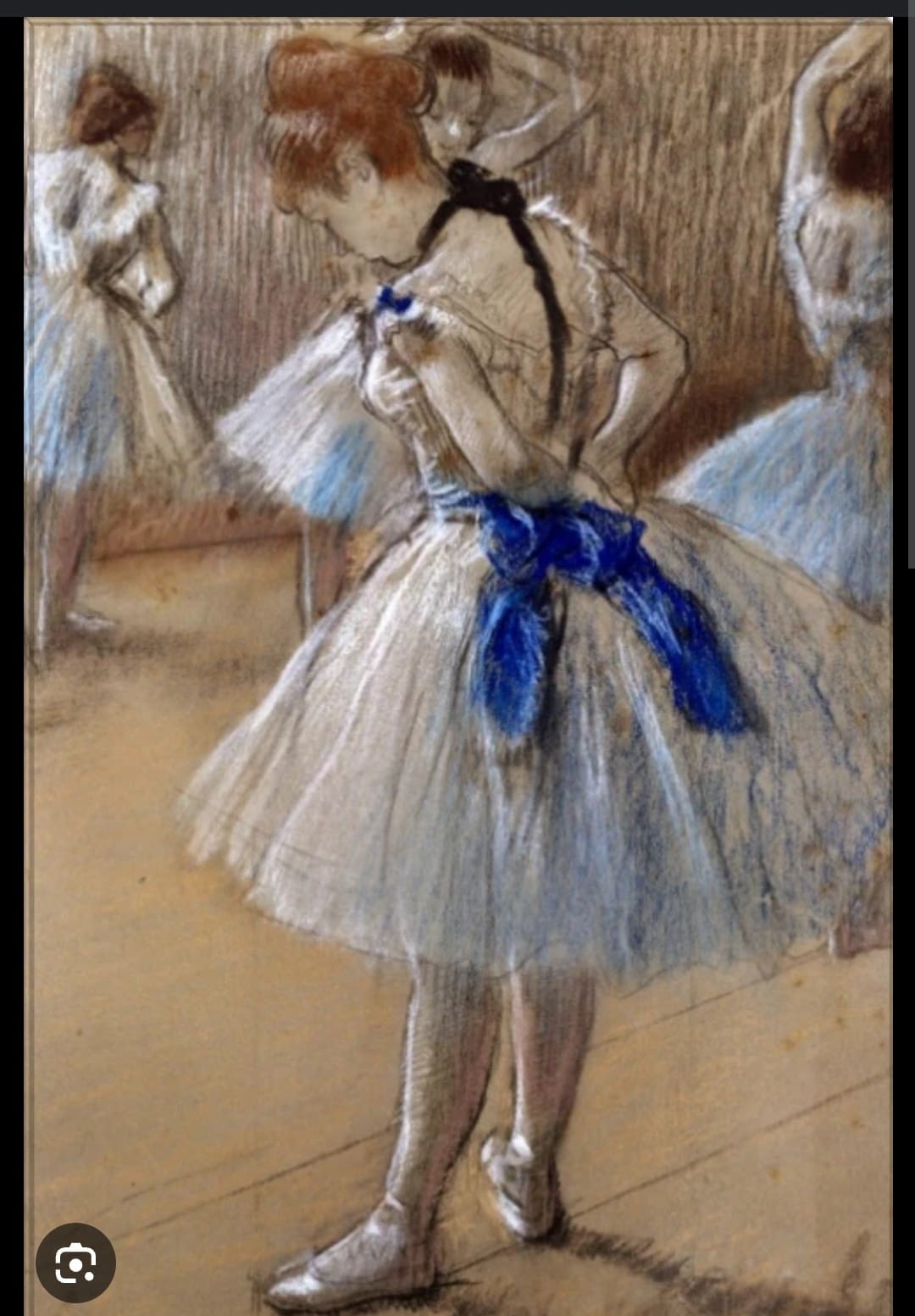
Ballerina by Degas

Congratulations are in order to SRD Editing Services editor Cortni Merritt for the recent publication of her poem “ballerina jewelry box” in The Hootlet’s Nook online magazine.

The poem was inspired by someone close to her and his relationship with his daughter. It centers on themes of loss, hope, and the mixed emotions involved in fatherly love. With images of childhood innocence and adult fears, the short piece inspires us to reflect on our own relationships with our parents and how our childhood dreams grow as we do.

Cortni has been writing poetry casually for more than 30 years and has a selection of poems featured in various publications. She plans to continue submissions in 2025. Subscribe to the blog for future updates!

Posted on Leave a comment

Announcing: SRD Editing Services Quarterly Newsletter

Candy and tiles that spell "join us"; announcing newsletter launch

Since 2018, SRD Editing Services has helped hundreds of writers in fiction and nonfiction genres turn their dreams of a book into a reality.

For the first time, we’ll bring together and introduce all our writers and interested readers to one another through a quarterly newsletter!

Although the blog and social media channels have been where interested readers could find information about our various authors and their books, readers of our quarterly newsletter will find a catalog of those publications all in one place. Additionally, the newsletter will include brief updates on what’s happening with the SRD Editing Services editors, business news, and even exclusive discounts to subscribers.

The first quarterly newsletter is scheduled for distribution on Friday, November 22, to give readers a chance to review the enclosed booklist and save those great gift ideas for their Black Friday or Small Business Saturday shopping.

Hint: SRD Editing Services will be offering a special deal on Small Business Saturday that you don’t want to miss! 

To begin receiving the quarterly email newsletter in your Inbox, fill out the Form HERE.

Posted on 1 Comment

Editor’s Pick: Horror Novel Recommendations for October (and Beyond)

Cover of the book "One of Us Knows" by Alyssa Cole

The countdown to Halloween has begun! And if the crisp air and pumpkins have you craving a terrifying tale, I have a few horror novel recommendations for you. 

Now, horror isn’t my specialty genre, but every year in October, I binge listen to audiobooks that focus on this oh-so-appropriate genre. Some are fun-time spooky and some are downright nightmare inducing. This month is off to a great start for me – connect with me on Goodreads for real-time updates of my reading list. But this year is the first time I’ve put together a short list to recommend to readers who might just be looking for a good horror audiobook fix. 

I also enjoy a good horror tale in the summer, for whatever reason. The sun is out and shining and I’m lying by the pool. Time for murder and carnage, ghosts and goblins, I guess. 🤷‍♀️ 

Now, generally after I read or listen to something, I post a private and very casual review to my friends on social media, which sometimes makes its way to Goodreads, although not usually. The horror novel recommendations you’ll find below here are reposts of what I tell my friends and family about these books. 

Since October has already begun, and there’s way too many in my reading history for me to keep the list short if I include everything I recommend, I’ve narrowed it down to just three horror sub-categories: fantasy horror, psychological thriller, and horror featuring women of color as protagonists (two appear in this category below: one YA appropriate and one for adults). 

It may go without saying, but I’ll say it anyway: Reader discretion advised.

The Salt Grows Heavy

Book cover: Salt Grows Heavy by Cassandra Khaw; editors picks top books read in 2023

The Salt Grows Heavy

⭐⭐⭐⭐⭐

By: Cassandra Khaw

Fantasy-Horror Recommendation

Tagged: adventure, fantasy, women’s lit, romance, LGBTQ+, mom lit, short story

I covered this incredible short novel in my blog, Editor’s Pick: Top Books Read in 2023, so you’re welcome to check that out if you want the full (and extended!) review. 

To what I’ve said there, I’ll add this: this is one of the few horror novel recommendations that maintains its place on my list, even as I read more in this genre, and I’m growing to love this author more with each exposure to her work. 

I listened to another short story from this author in October 2022, returned to her to listen to this in October 2023, and have now returned to her again for my horror reading list of October 2024. She continues to impress me each and every time. 

The Last House on Needless Street

Book cover for The Last House on Needless Street by Catriona Ward

The Last House on Needless Street

⭐⭐⭐⭐⭐

By Catriona Ward

Psychological Thriller-Horror Recommendation

Tagged: 21st century lit, LGBTQ, psychology, horror

This incredible book was an Honorable Mention in my blog, Top 5 Books of 2022, so you might want to take a look there for the full review. 

What I can say is that this has stuck with me over the past two years. As someone with a background in psychology, I have to sometimes be careful about what types of psychological thrillers I get myself in — as they tend to hit deeper nerves than other types of thrillers — but as I continue to read more novels with depictions of mental illness, I continue to think about how well done this one is. Since the time of reading this, I have also listened to books by Mary Higgins-Clark and  Cormac McCarthy, who are both superb writers in depicting mental illness, and I would maintain that this book holds up against those larger, perhaps more well-known writers. 

I predicted when I published my Top Books of 2022 blog that this book would “stick with me for a long time,” and here we are, two years after I read it, and it’s showing up on this short list of horror novel recommendations. I love it when a prediction comes true. 😁

Horror Novel Recommendations Featuring Women of Color Protagonists

For the final category of my horror novel recommendations, I’d like to feature two books that star not only female protagonists but women of color specifically. There has long been discussion in the publishing community about how women of color are not featured enough in the  horror genre, and I agree! #representationmatters

The first book is one I read just this past summer of 2024, so it’s fresh in my mind and still haunts me randomly as I go about my life. The second I read in summer of 2023 and is for a YA audience. I particularly enjoyed the narrative’s delivery of the character’s paranoia in the audiobook, and I hope you will too. 

Both these titles include content warnings for hate crime violence and abuse based on race, as well as depictions of pretty severe mental health crises. The first also receives content warnings for harm to a child. 

One of Us Knows

Cover of the book "One of Us Knows" by Alyssa Cole

One of Us Knows: A Thriller

By Alyssa Cole

⭐⭐⭐⭐

Tagged: horror, adventure, psychology, women’s lit, romance, LGBTQ+, 21st century lit

4.5 stars. Oooo! Spooky! A psychological thriller for your summer reading list. Very well done. 👏👏👏 

Disassociative Identity Disorder (previously known as “multiple personality disorder”) is not particularly well understood or depicted in general pop culture media (books, TV, etc.), and I’m certainly no expert, but I’d say this is extremely well done. Our main narrator is one of the two hosts of this person’s system, a queer Black woman in her early thirties, and she is co-narrated by several of her/their other identities. 👉👈 

While people with DID often experience gaps in time due to various personalities controlling the body’s actions and memories, this novel shows how terrifying that really can become when your whole personhood ends up the center of a mystery that urgently needs solving before more people die or disappear under strange circumstances… 😱 

So while one of them must know what’s going on, all of them will have to work together to save themselves using only the pieces of information available to each. 

Terrifying. Funny. Deeply disturbing depiction of true-to-life trauma caused by people of MAGA ilk. It’ll have you cheering and laughing and gasping in the same scene.👌  

Reminded me of The Shining and The Menu and Last House on Needless Street.

Obviously content warnings. No SA but violence, hate crimes, abuse/neglect of children, mental illness, and more. 💔

White Smoke

Cover of the book "White Smoke" by Tiffany D. Jackson

White Smoke

By Tiffany D. Jackson 

⭐⭐⭐ 

Tagged: psychology, women’s lit, YA, 21st century lit

3.5 stars. A mid-summer ghost story that actually felt like fun summer reading. 

A lot of YA tropes mixed with standard ghost story stock that felt like a fresh twist on some classics I probably read in middle or early high school and just can’t remember now, like “Fear Street.”👻 

This was fresh and modern, with an angsty MC who learns a few valuable lessons along the way. 👩‍🎤 Her dad is in an interracial relationship, and she’s learning to adjust to having a White stepmother and stepsister. She’s also struggling with her own mental health in a few different ways. 

At times it was a bit predictable or obvious, but maybe that’s because I’m an adult who is familiar with the formula. And at times I was honestly questioning what would happen next. Generally, I enjoyed it. ❤️

Do You Have Horror Novel Recommendation for Me?

So that’s it! This is my short list of horror novel recommendations for October 2024. 

If you have suggestions for me, I’d love to hear them! Leave a comment below to let me know what you think I should add to my horror To Be Read list.

Happy reading, and have a great/horrific spooky season! 

Posted on Leave a comment

Tips for Writing a Memoir

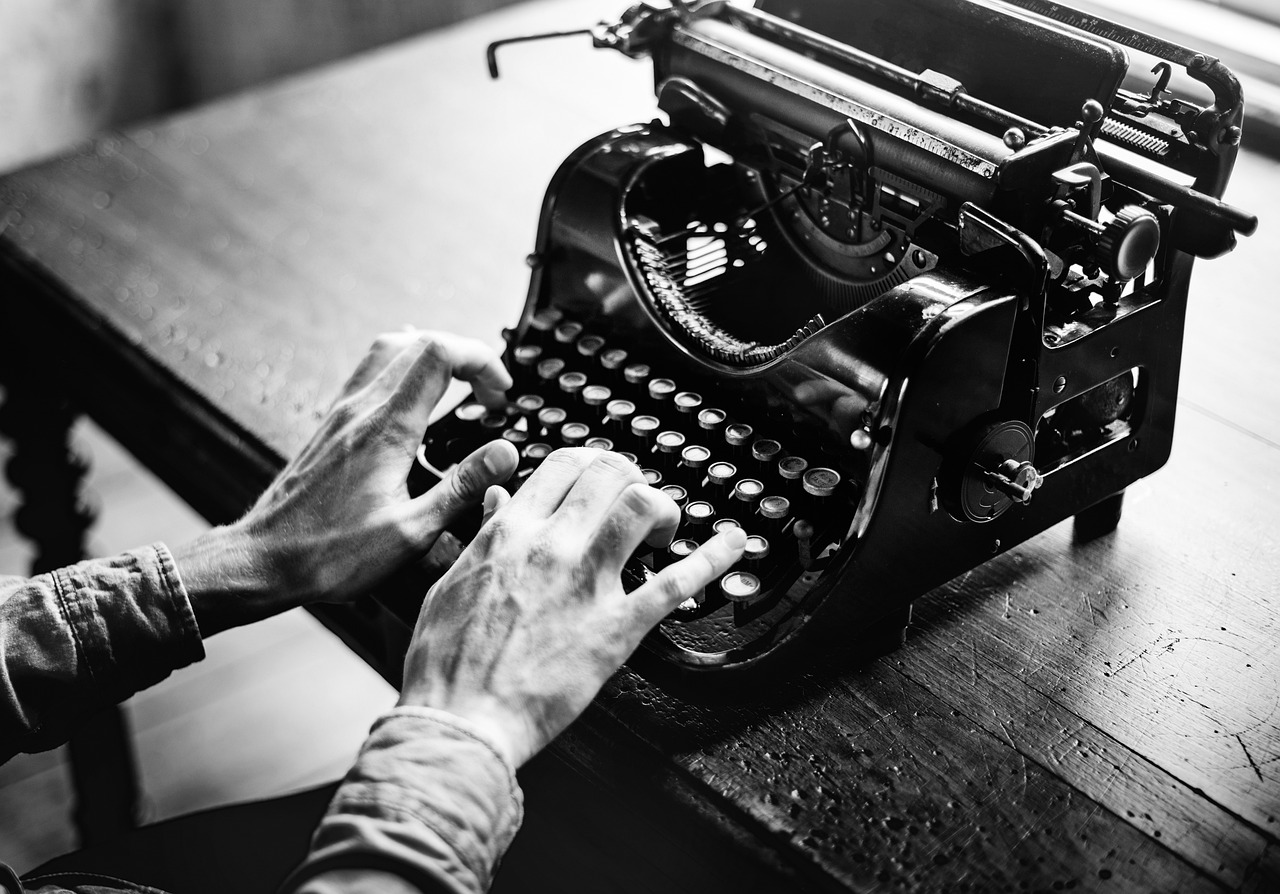
Black and white image of typewriter with hands on keys; tips to write a memoir

I enjoy a good memoir. Reading or listening to the stories of real people’s lives, especially told in the person’s own voice and style, can be one of the most pleasant and inspiring experiences. As a long-time and widely read editor of this genre, I have put together the following list of tips for writing a memoir. These should help smooth the process, whether you’re writing your own story or ghostwriting someone else’s.

Tips for Writing a Memoir No. 1: Solid Framework

Step 1: Draft a disclaimer for your imprint page.

Hear me out. Of course, I think you should start with an outline and a basic story structure. But I’m a planner, so that’s my advice for any book. Specifically when you write your memoir, I think you should start by drafting your disclaimers. 

Often, people are nervous that something they say about someone will become a potential problem. This is a very real legal concern. The legal ramifications for libel (publishing untrue and disparaging remarks about another person) can be severe. Of course, I want you to avoid this. 

On one hand, “If people wanted you to write warmly about them, they should have behaved better,” (easy for Anne Lamott to say!), but of course it’s more complicated than that in real life. 

What is generally advisable is to include a disclaimer on your imprint page (copyright page) as well as online excerpts of your material to say that you are telling your story and your interpretation of events that happened in your life to the best of your knowledge and memory. 

You might change people’s names or other identifying details to help protect their identity, if that’s what you choose to do. And if you choose to do that, then include a disclaimer telling your readers that’s what you did. 

Need some examples to work from? Here are some examples of legal disclaimers for your nonfiction book. 

Of course, this doesn’t have to be the final draft. But just to warm up your brain and get you thinking about what you’re going to write and who you’re going to include in your story, spend an hour or so drafting any and all disclaimers you think you’ll need for your memoir.

Step 2: Draft the introduction

I know you want to jump right into telling your story, but make sure you have the framework in place first. My second step in the first of my tips for writing a memoir is to outline and draft your introduction. 

Generally, I’d recommend an introduction that’s two to three pages for the final draft, so for this first draft, just aim for a page. Page and a half maybe. 

In your introduction, you want to grab the reader’s attention at the beginning, which is often done with a “hook” story. An inciting incident. Something that makes them want to know more. If you can tell an interesting, impactful, emotional story in a paragraph or two, you’ll grab them and pull them right into the rest of your book. 

Then, give them a big picture overview. A paragraph or two about who you are and why you decided to write this book. What’s your big idea? The main lesson you learned? What is compelling you to share your wisdom, your humor, your vulnerability (etc.) with them? Spend a little time introducing yourself, but more importantly, be clear and focused about the purpose and intention behind your writing. 

Then, promise them something. What will they get out of your book? What’s in it for them? Promise to entertain, to delight, to inform, to educate, to open a new perspective, to inspire … promise them some kind of verb. It doesn’t have to be over-the-top life changing. But promise them that they’ll know more or have fun. Something personal. 

Now when you write your memoir, you’ll have a clear sense of purpose and a goal to align your content with. Refer back to this draft of your introduction as often as you need to. And of course, after you’ve written the main chapters of your story, go back and revise and finalize this introduction so it not only aligns with what you wrote but so that it says everything you want it to say.

Step 3: Draft the conclusion

I know what you’re thinking: “I came here for tips on how to write my memoir, and you’re talking about framework materials!” 

Look, I know you know your story. You’ll get to that part, I promise. 

But first, draft a page-long conclusion “chapter.” Keep it focused.

Imagine you’re at the end of your writing journey. How do you want to say good-bye to your reader? 

This is your chance to thank them for their time and for joining you on this journey. Tell them how much you appreciate them reading your book. Remind them of the goals and intentions from the introduction and express your hope that they agree the goals were met. 

Then, invite them to connect with you and any other examples of your work online. Include contact information, info for social media and other websites, and anything else you want them to know about where they can find you (events, web courses, other businesses, etc.). 

Of course, if you haven’t set this up yet, don’t worry about it. Put in placeholder text because you’re going to finalize this for real after you write the book anyway. 

Wire framed glasses, dried flowers in a vase, and a handwritten note on a table; use ambiance to write your memoir

Tips for Writing a Memoir No. 2: Balance Truth and Fiction

Second in my tips for writing a memoir is to remember to have some fun with it. Yes, it’s the story of your life, and parts of it may be heavy. But it’s also your time to shine. Your time to tell the world who you are and what you stand for. Your chance to showcase your growth, your talents, and your passion. Take the license to be a bit creative when you need to be…and check out my Tips for Writing Your First Draft

Step 1: Prepare your notes

Now that I’ve advised you on how to build the framework when you start to write your memoir, I can give you my best tips for creative writing in this genre. 

The truth is that memory is notoriously faulty. (Oh, I’m sure. Not your memory, of course…) The first place to begin is your own documentation. Old journal and diary entries, correspondence (including emails or message threads), and video or photo archives are good places to start your own research. 

Sitting to look through all of this can be overwhelming and distracting. Don’t start by diving in. Instead, when you’re writing a chapter, scene, or retelling of something that happened, make note of when you can recall something in your archives that will help you confirm the details. Then later, at a separate time, you can dig through and find your source or reference materials. 

For example, let’s say you want to write about your wedding day. (Forgive me, it’s an easy example). You want to include details about what people were wearing and how old certain people were; you want to include some of the drama of the planning process and what happened after the Big Day. 

Well, you write the scene, and you make an accompanying list of all the places you can double-check yourself on the details: photo collections, emails from certain people in the days leading up to or following the event, family members and friends’ social media posts. Now you have a narrow list of places to check for specific details. Of course, in your research, you may find other details you’d forgotten that you wanted to add, or other info you’d like to change. But that’s what revision is for. 

But preparing your notes before you dig into your own archives can save you a ton of time in the research process

Step 2: Prepare to interview

One of the richest resources for knowledge and perspective that any of us have in our lives is other people. When writing your memoir, consider who else participated in some of the big (or small) moments of your life, and with whom could you confirm the information and discuss your portrayal of events and experiences. 

You may be thinking, “What? I don’t want other people’s words to write my memoir for me. I want to use my own words.”  

Of course, you want people’s input. You want their enhanced perspective to fill in gaps in your knowledge or inform your reflection and discussions about long-term results of things that happened. But don’t feel obligated to include all the information from every interview. You simply can’t. You’ll have to fine-tune what is said so it weaves into your narrative, and some information or people’s perspectives simply may not fit. 

On the practical side of my tips for writing a memoir, I advise creating documentation of your interviews. Record any in-person or virtual voice-to-voice conversations and have them transcribed so you can edit them in where needed. Otter.ai is an excellent resource for this, and you could certainly hire someone to proofread the transcript for you before you begin working with it.

Step 3: Think of memoir like time travel

Now you have all these notes and you have words from others about what happened or what they think happened. You’re getting closer to having a whole story to tell. 

That’s what makes a great memoir more than just a collection of facts about a person’s life – it’s the story of how those facts and events and circumstances and reactions all came together to result in something (someone) who does things differently and who has something to teach: You! 

The best memoirs creatively retell the most important events and balance between the stories that took place in the past and the current version of the person reflecting on the lessons learned or how that event influenced them in the long term. There are different ways to do this, and among my best tips for creative writing is that you figure out what process and structure works for you. 

Some save all their reflection for chapters toward the end of the book; some have a section at the end of each chapter that reflects on the events discussed in that chapter; some interweave or jump forward and backward in time. It all depends on your style, but make sure while you’re writing that you include some narrative about you now, today, as a writer, reflecting on what happened and telling your reader what you hope they learn from it.

What Are Your Top Tips for Writing a Memoir?

The most common writing advice you’ll read — like, show don’t tell and balance between narration, action, and dialogue — applies to whatever you write, but specifically, these are my best tips for writing a memoir. What are yours? Share them below! Memoir is a unique genre that allows a writer to combine their storytelling talents with a little bit of research into facts of personal history. But when you write your memoir, you get to tell your story your way, which is invaluable. Hopefully these tips make the process a bit easier and even maybe a bit more fun! 

Posted on 1 Comment

Tools for Romance Writers: Ratings for Spicy Romance Novels

Although writers of all genres should consider how different readers may approach their text, it’s particularly important for writers of romance, erotica, or “spicy romance” novels to connect with readers who are looking for their content. That’s why everyone could benefit from a universal ratings system.  

As a reader, if there were a single standard for rating the “spice level” in books, it would be easier to select, recommend, and review books they love and avoid books that don’t match their preferences. As a writer, a single rating system would make it easier to connect with readers who enjoy reading about what you enjoy writing about. 

Oh! If only. 

While other types of media such as TV shows and movies have standard ratings systems that make it easier for viewers to identify age-appropriate and content-desired material, books are sadly a bit different. While many good romance authors are beginning to include “content warnings” (or “trigger warnings”) so readers are aware of specific content they may find upsetting (or particularly enticing), it’s not required nor a standard practice, although it does seem to be trending in that direction (especially with self-publishing authors). 

But without a universal rating system for books, it remains difficult for readers to have insight into what books are appropriate for them (or their kids, if they’re parents), and it remains difficult for writers to appropriately connect with the right readers. 

Rated Reads helps parents determine if the book their child is reading is age-appropriate (not just because of romantic or sexual content, but for a whole host of reasons.) Our blog last year on the Accelerated Reader Bookfinder tool may also be helpful.  

So what do writers and readers do? Well, here are a few things to consider if you enjoy reading or writing romance, erotica, or erotic/spicy romance.

What’s the Difference?: Romance, Erotica, & Spicy Romance Novels

It’s important to note that reader preferences vary, and what one person considers spicy or erotic may differ from another’s interpretation. The key is to find a balance that suits the preferences of the target audience while maintaining a coherent and engaging narrative.

Hiring some romance beta readers can help you gauge where your novel falls on these scales and help with your marketing and promotion plans. Beta readers in general, but specifically, beta readers who are avid fans of different types of romance, can be invaluable in helping you determine if your content has the “right” spice level for your target readership. 

If you are a romance reader and want to help writers hone and perfect their on-page spice, consider being a beta reader! There are numerous groups on Facebook and hashtags on IG and TikTok (aka “Bookstagram” and “BookTok”) where you can volunteer to be ARC or beta readers for the works-in-progress of all types of romance writers. 

Romance

Woman and man in wedding attire laughing next to table; man wearing hat and woman holding bouquet. Romance novels typically end with happily ever after.
Romance novels typically end with "happily ever after."

To begin with, a “romance” novel typically holds the romance and the developing relationship between characters as central to the plot. The best romance novel tips remind writers to keep the emotions as the story’s focus, and there should typically be a strong narrative arc in the journey of the characters, including challenges, conflicts, and resolutions. True romance novels build an emotional connection as they explore their feelings, and the end result for the reader is a satisfying emotional payoff or a “happily ever after” (HEA) ending. 

While there may occasionally be intimacy, often characters will engage in “relations” through euphemism or off-page action, similar to how movies or TV plots will show characters tumbling into bed, kissing, and then fade to black. Often, there is a fade-in afterward to show the characters’ emotional reactions to the events, but the focus is on the emotions and relationships rather than detailed sexual encounters. Even when sex scenes happen on-page, the characters may speak in euphemism or “softened” sexual language rather than explicit word choice from the author.

In movie-ratings terms, true romance novels can be at any major commercial movie level – G, PG, PG-13, or R. 

Erotica (aka Smut)

To begin with, an “erotica” novel typically places a strong emphasis on sexual content and exploration. The primary goal is to arouse and titillate the reader through explicit descriptions of sexual encounters. While erotica may have a plot, it is often secondary to the explicit content, and as all good romance authors know, the narrative may serve as a framework to connect erotic scenes rather than a central focus that details characters’ emotions and their journey toward a romantic connection. Beware of losing sight of the plot just to get caught up in “the action,” unless you intend to write erotica. While some erotica may explore emotional connections, the central theme is sexual pleasure, and the emotional depth is typically not as developed as in romance.

Erotica is known for its explicit and detailed depictions of sexual acts. The language used is often more direct and graphic, catering to readers seeking a more intense exploration of sexuality. Its content runs the full gamut of sexual fantasies, preferences, and kinks that you can find when reviewing the categories and tags of any website that publishes adult videos.

In movie-ratings terms, erotica is pretty strictly X-rated and higher.

Spicy Romance Novels / Erotic Romance Novels

man and woman in intimate embrace. He is shirtless, she facing away from him, he appears to be kissing her neck and removing her shirt; spicy romance novels balance sexual and romance content.

“Spicy romance” or “erotic romance” falls somewhere between traditional romance and erotica. These subgenres acknowledge and include explicit sexual content while maintaining a strong emphasis on the emotional connection between characters. Here are some key erotic romance novel tips:

Balanced Focus: Spicy or erotic romance strikes a balance between the emotional development of the relationship and explicit sexual content.

  • Narrative integration: Unlike erotica, which may prioritize sexual scenes over the plot, spicy romance integrates intimate moments into a broader narrative that includes emotional tension and character development.
  • Reader expectations: Readers of spicy or erotic romance are seeking a more sensual experience than traditional romance without necessarily delving into the more explicit and purely sexual nature of erotica.
  • Varied Heat Levels: “Heat levels” are often used to classify the level of explicit content in romance novels. Spicy or erotic romance can encompass a range of heat levels, allowing readers to choose the intensity of sexual content they are comfortable with.

Like the best rated-R movies can have very graphic, enticing, titillating sex scenes without losing sight of how those scenes play into the overall narrative arc and important relationship-building between the characters, spicy/erotic romance novels walk the fine line between turning on both their readers’ bodies and minds. 

Spicy Romance Novel Tips: Popular Ratings Systems & Resources

There are several tools and systems that readers and writers can use to assess the spice levels or explicit content in novels, especially in the romance and erotic genres. These tools are often referred to as “heat levels” or “sensuality ratings.”  Good romance authors would be wise to understand readers’ expectations and make the most of these rating systems and reader feedback to strike the right balance to connect with their audience. 

All About Romance (AAR) is a popular romance-focused website that provides sensuality ratings for romance novels. The ratings range from “Kisses” for books with no sexual content to “Burning” for those with explicit scenes.

Smart Bitches Trashy Books is a romance book review site that provides heat ratings for the books they review. The ratings range from “Sweet” to “Scorching.”

Romance.io is a fairly new (2 years old) book review site that provides a “steam” or “spice” rating for a variety of romance books and invites site members to add their own reviews and ratings. They offer a “similar book finder” so if there is something you liked and want more of, you can find it easily. 

Is the Book Spicy? blog focuses just on the spice ratings. No reviews. No spoilers. Just letting you know how steamy the book gets and what the tropes and triggers are for different titles. 

Goodreads, a popular book review platform, allows readers to tag books with descriptors like “steamy,” “erotic,” or “clean romance.” Reading reviews on Goodreads can also provide insights into a book’s heat level. (Connect with our editor, Cortni Merritt, on Goodreads!) 

Readers can use these tools to find books that align with their preferences, and good romance authors can refer to these and other online spice-rating systems to navigate the varying levels of sensuality expected from readers in romance and erotic novels.

How Writers of Spicy Romance Novels Promote & Connect with Readers

One of the most common ways to connect with readers of spicy romance is through newsletters. It’s a great way for writers to find both romance beta readers and eventually promote their finished books for sale. Many newsletters target in on specific subgenres, character types and tropes, and content that’s close to their heart, but here are a few ideas where writers of spicy romance novels can start brainstorming for promotion and marketing:  

  • Book retailer newsletters (Amazon, Barnes & Noble, Kobo, etc.)
  • Book review sites (Goodreads, BookBub, BookSends, etc.)
  • Book subscription services (Book of the Month, Romance Reveal Book Box, etc.) 
  • Blogs for romance, spicy romance, or erotica books/writing.
  • Social media groups (Facebook, IG hashtags, BookTok, etc.)
  • Forums such as Reddit r/RomanceBooks

By becoming a subscriber to a few newsletters or forums for the genre in which you write, you become familiar with the expectations, including the spice levels and standard ratings, for your spicy romance novels.

Writers of Spicy Romance Novels: Do Your Research

Among all the advice out there on how to write a solid romance novel, tips about incorporating spice are in no short supply. If there were a universal rating system, it would certainly be easier for writers, but since there is not, it is worth the time for a writer working to establish themselves or better target their readership in the romance genre to review several sources of reader feedback about spice levels. 

There’s a reader out there for every book! Don’t feel like you have to force your book to become too spicy if you don’t want it to be, but if you want to turn up the heat, just connect to readers who are looking for that level of burn, and your spicy romance novels and readers will enjoy the perfect match-up.  

Ready to talk to a romance novel editor?

Erotica, Romance, & Spicy Romance Novels Edited by SRD Editing Services

[bookshelf id="1716319548" btn_titles="Titles" btn_icons="" item_width="650" item_height="700" products_box_margin_left="20" product_title_textcolor="#ffffff" product_title_bgcolor="#c33b4e" product_margin="30" product_show_title="true" show_title_in_popup="true" show_selected_title="true" show_icons="false" thumbs_effects="true" buttons_margin="15" buttons_align="center" slide_duration="1000" slide_easing="easeOutQuart" arrow_duration="800" arrow_easing="easeOutQuart" video_width="500" video_height="290" iframe_width="600" iframe_height="430" exclude_products="" orderby="date" order="DESC" shelf_space="medium" skin="skin03" categories="romance-erotica-fiction-edited" post_type="bookshelf"]
Posted on Leave a comment

Planners Vs. Pantsers: Tips for New Writers on Navigating Your Writing Journey

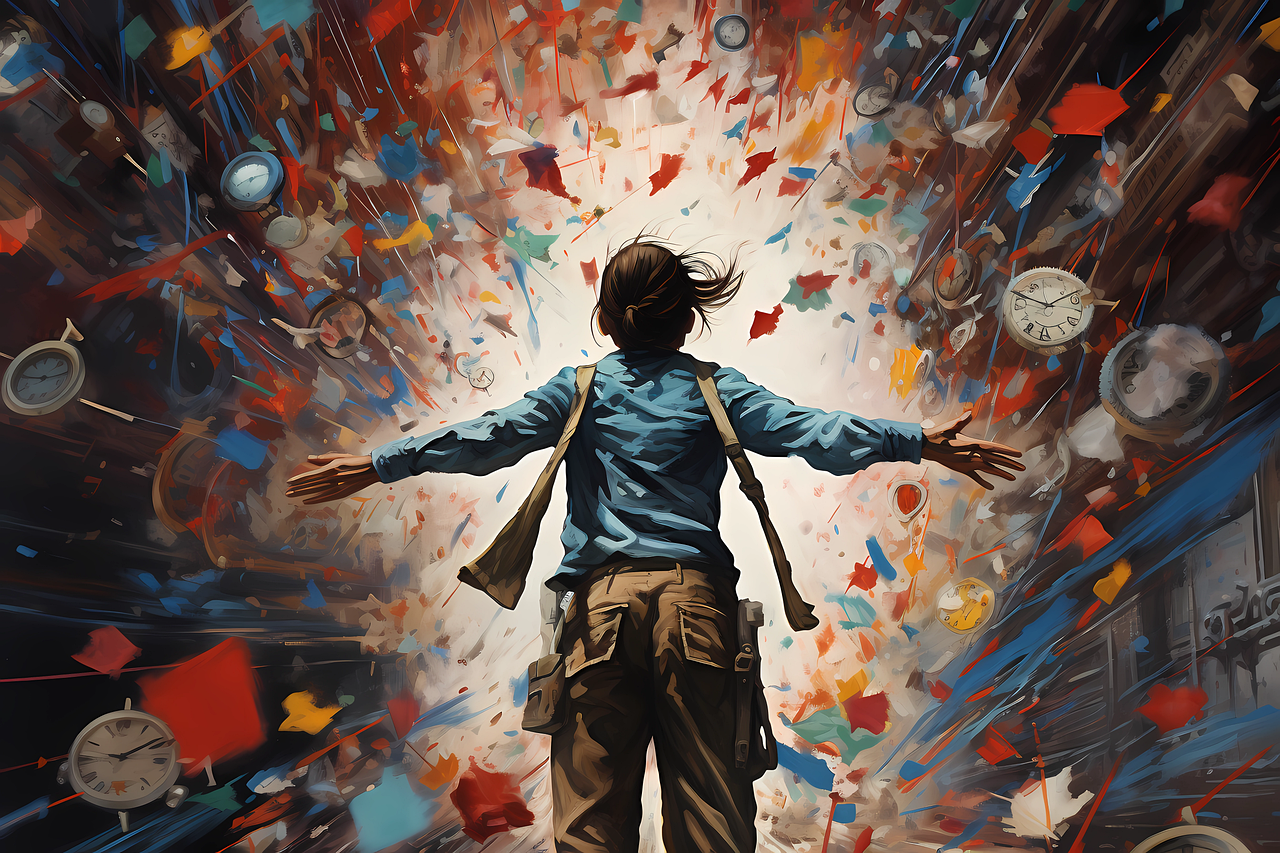
An AI image of a woman's back. She is wearing blue shirt and khaki pants and facing an explosion of colors, clocks, and perhaps scraps of paper. Symbolizes how pantsers approach the creative writing process by prioritizing spontaneity and creativity.

Writing is a unique journey, and every writer has their own style. Some meticulously plan every detail, while others embrace spontaneity and write “by the seat of their pants.” As an editor who has worked with both types, I’ve come to appreciate the strengths and challenges each style includes. In this blog, we’ll explore the worlds of planners and pantsers, providing valuable tips for new writers on self-publishing and the various stages of editing a book.

Planning Your Path: Crafting a Literary Blueprint

The Planner's Playground

A notebook and pen with crumpled pieces of paper on a wood desk; symbolize the planning type of writer in discussion of tips for new writersPlanners, or “architects,” are writers who thrive on structure. Here are some tips for new writers who want to take this meticulous approach:

1. Develop a Detailed Outline

For planners, the key lies in crafting a comprehensive outline as a crucial stage. Break down your story into chapters, noting character developments, key events, and thematic elements. This roadmap will guide you through the writing process, minimizing the risk of getting lost in the narrative wilderness.

2. Explore Character Motivations

While planning is your strength, be wary of falling into the trap of a too-rigid structure. Take time to delve into your characters’ motivations. Understanding their desires, fears, and conflicts adds depth, preventing characters from feeling flat or lifeless.

3. Avoid Rushing Things

Planners may be tempted to rush through scenes because we know the outcome. Be mindful of pacing during these drafting stages. Don’t sacrifice tension. Ensure each scene serves a purpose and contributes to the narrative arc. During later stages of editing a book, you can trim or add as necessary.

Learning from Pantsers: Valuable Tips for Planners

While planners excel at creating structure, there’s much to learn from the spontaneity of pantsers. As a dedicated planner, I often work with pantsers who remind me of the magic of spontaneous creativity. During brainstorming or creativity sessions, often unplanned ideas emerge and transform the entire plot. These revelations can result in some of the best elements of a finished story. You’ve got to allow space for the unexpected.

Embracing Spontaneity: Tips for New Writers Who Write by the Seat of Their Pants

The Pantser's Playground

An AI image of a woman's back. She is wearing blue shirt and khaki pants and facing an explosion of colors, clocks, and perhaps scraps of paper. Symbolizes how pantsers approach the creative writing process by prioritizing spontaneity and creativity. Pantsers, or “gardeners,” revel in the thrill of uncertainty. Here are some tips for new writers who find that this spontaneous approach works best for them:

1. Start with a Seed

For pantsers, begin with a single starting point – a character, an image, or a theme.This starting point can give you something to help your imagination run wild. Enjoy freedom from the constraints of a detailed plan, but give yourself a starting point as a seed from which your story can grow organically.

2. Embrace Plot Holes

Pantsers may find themselves overlooking plot holes, assuming that the narrative threads will magically tie together later. While spontaneity is your strength, be open to revisiting and filling in those gaps during later stages of editing a book. Your story should make sense to readers who don’t have the privilege of seeing everything in your head.

3. Balance Creativity with Structure

While celebrating your spontaneity, be mindful not to veer into overly indulgent or “purple” prose (or be prepared to edit it closely later especially if you’re self-publishing). Every reader craves a sense of overall story structure. Your narrative should be coherent and provide readers with a clear, engaging journey through your creative landscape.

Learning from Planners: Valuable Tips for Pantsers

Pantsers may be tempted to rush to put down all their thoughts, no matter where it leads the reader because they are enjoying the journey their characters take them on. Be mindful of losing your readers and having them drop out of the story because they couldn’t follow along. Don’t sacrifice clarity or cohesion. Make sure your wild ride still follows the standard “hero’s journey” or demonstrates a clear character arc by at least leading the reader to an end that makes sense based on the beginning. 

Still got questions? Check out this video from Jenna Moreci with tips for new writers, “10 Best Tips for Plotting Your Novel.” 

Image shows black text on white background of a 3x3 table explaining different types of planner and pantser writers. Can be helpful in self-publishing and different stages of editing a book.

The Editor's Role in Different Stages of Editing a Book

Whether you meticulously plan or live the pantser life, both approaches benefit from a skilled editor’s touch and multiple stages of editing a book. One of my top tips for new writers is: Do NOT try to do all the editing at once. You will miss so many things. 

As an editor, especially for self-publishing authors, my role is to enhance the manuscript while simultaneously respecting the writer’s unique style. Here’s how I navigate the challenges for both planners and pantsers during editing:

Guiding Planners through Editing a Book

  • Addressing Rigid Structure: I guide planners to help balance their detailed plans with spontaneity. It’s important to encourage flexibility within their detailed (and sometimes very thorough) plan, which allows for authentic character development.
  • Tackling Rushed Pacing: For planners prone to rushing through scenes during the drafting of their book, I focus on pinpointing areas where slowing down can heighten tension and emotional impact. Could the scene use more description? More emotion? More dialogue. Identifying and addressing these types of gaps ensures a more satisfying reading experience.

Supporting Pantsers when Editing a Book

  • Filling Plot Holes: Pantsers may overlook plot holes or assume readers will connect the dots, but sometimes the manuscript benefits from a bit more obvious storytelling devices. My role is to gently guide the pantsers who resist structre and help them identify and fill in gaps so the reader sees how each scene logically builds from the previous one.
  • Maintaining Coherence: While celebrating spontaneous and quirky action, sometimes this takes the whole plot in a totally unintended direction. Often, writers realize this and try to steer it back to its original direction, but they sometimes need help maintaining coherence. A cohesive structure doesn’t mean sacrificing creativity; it ensures readers can navigate the narrative landscape without feeling lost.

Developmental Editing & Beta Feedback during Self-Publishing for Planners & Pantsers

Regardless of your writing style, the journey is incomplete without multiple rounds of editing, which can include developmental editing, beta reader feedback, and separate steps for line editing and proofreading, especially when self-publishing. Among the best editing tips for new writers – planners and pantsers alike – is that they can benefit from these crucial steps:

Embracing Developmental Editing when Self-Publishing

  • Strengthening Weaknesses: Developmental editing focuses on enhancing a manuscript’s strengths and addressing weaknesses. Whether it’s refining a detailed plan or filling in gaps left by spontaneity, this stage of editing a book is about refining your unique voice and making sure your message or story is clearly communicated.
  • Gaining External Perspective: A skilled editor provides an external point of view, identifying elements that might be unclear or inconsistent to a reader who can’t see inside the writer’s mind. A fresh set of eyes ensures your unique story resonates with a broader audience.

Tips for New Writers to Harness Beta Reader Feedback when Self-Publishing

  • Diverse Perspectives: Beta readers should be among your target audience. They can help highlight what works, what resonates, and where they felt disconnected from the text or confused by the story. Their feedback is invaluable in shaping your story so that appeals to your target readership.
  • Testing Emotional Impact: Beta readers help gauge the emotional impact of your story, an essential consideration for self-publishing and something you can absolutely tweak during the stages of editing a book. Do they feel connected to the characters? Are your plot twists effective?  Your beta readers’ responses guide you in fine-tuning your manuscript for maximum reader engagement.

Planning or Pantsing Your Writing Can Make for an Awesome Journey

Whether you meticulously plan every detail or let the words flow organically, your writing journey is a personal and evolving experience. Embrace your unique style, recognizing the strengths it brings to your storytelling.

As you embark on this creative adventure, remember that both planners and pantsers can learn from each other and there’s room for both in the traditional and self-publishing worlds. The careful architect can infuse spontaneity into their writing, while the adventurous gardener can benefit from the structure that ensures a satisfying reader experience. And both can address issues of structure or plot development in the stages of editing a book. 

Ultimately, every tips for new writers list should emphasize how the magic happens in the balance – a harmonious dance between planning and spontaneity. As you refine your craft, celebrate your individuality, and let the words guide you on your journey to becoming a seasoned and versatile writer, you’ll find the special mix that is just right for you.

Explore the Stages of Editing a Book with SRD Editing Services

Posted on 1 Comment

Writers Talking Writing: Creative Writing Advice from Questlove

Cover of the book "Creative Quest" by Questlove, full of excellent creative writing advice

Last year, I had the pleasure of listening to several audiobooks from some amazing writers, several of who provided excellent creative writing advice. In today’s blog, I want to highlight some of the best creative writing tips and techniques from the book Creative Quest, by the very talented Questlove.

Why is Creativity Important? According to Questlove

It might seem like the value of creativity is obvious (at least, to those of us who love great writing), but in the mind of a creative genius who writes in both words and musical notes, the importance may be slightly different than what people might assume. 

In this book, Questlove emphasizes the value of self-expression, describing how creativity allows people to express themselves and their unique perspectives. By utilizing your creativity, you may find means of communicating emotions, thoughts, and experiences that may be difficult to convey. Allowing ourselves room to explore creative solutions to problems is crucial for development in many fields, not only our artistic endeavors. Creativity allows us to address complex challenges and come up with novel solutions.  

Engaging in creative endeavors can also bring us personal fulfillment and satisfaction and fosters personal growth. Creating something original and meaningful is deeply rewarding and can boost your self-esteem and feelings of connectedness with the world. Through creative and artistic expression, we can transcend cultural and linguistic boundaries. Our creativity can connect us, bridging gaps to convey ideas and emotions in ways that resonate with others. As we push our own boundaries, take risks, and learn from our experiences, we challenge ourselves to always be improving and learning. 

Additionally, creativity shapes and enriches culture. Artists and creators are the architects of cultural evolution, and their contributions have lasting impacts on society. Innovation and progress are driven by creative and critical thinking in many fields, including technology, science, and business. It leads to the development of new products, services, and ideas that can transform industries and improve lives. 

Lastly, our creativity brings joy and inspiration to both ourselves as creators as well as our audiences. The joy of experiencing art, music, literature, and other forms of creative expression is a fundamental part of the human experience.

While Questlove’s opinions and views may not be specifically creative writing advice, his overall analysis on what makes creativity important as part of the human experience is essential for everyone, whether you consider yourself creative already or are trying to improve your creative skills. 

Check out this interview with Questlove, “In Pursuit of the Creative Life.  

Top 5 Creative Writing Tips and Techniques from QuestLove

Creative Quest offers a range of creative writing advice, emphasizing the creative process and artistic expression. But his top five tips for creative writing boil down to these:

Tips for Creative Writing: #1. Embrace Collaboration

Working with others can enhance your creativity and help you find new perspectives. In particular, Questlove stresses the value of working with others because it can bring fresh ideas and perspectives to your creative process. Collaboration can challenge your assumptions, lead to unexpected breakthroughs, and create a sense of camaraderie that fuels your thoughts and imagination when writing alone. Whether you’re a book writer working with an editor, a screenwriter collaborating with a team, or a musician jamming with other musicians, learning to work with a team is a key aspect of the creative journey.

Tips for Creative Writing: #2. Find Your Voice

It’s essential to develop a unique and authentic artistic voice. As Questlove emphasizes, authenticity is key in creative work. Discovering and nurturing your unique voice or style sets you apart from others and helps you resonate with your audience. This process involves self-discovery and self-expression, and he gives the creative writing advice that you should draw from personal experiences and emotions or on the observations you make about the experiences and emotions of others.

Tips for Creative Writing: #3. Continuous Learning

You must constantly seek inspiration and expand your knowledge to keep your creativity high. The book promotes the idea that creativity is an ongoing journey. Questlove suggests that you should never stop seeking inspiration and expanding your knowledge. This means being curious, exploring new fields, and being open to diverse influences. Continuous learning keeps your creative wellspring from running dry.

Tips for Creative Writing: #4. Overcome Creative Blocks

Everyone encounters creative blocks (or “writer’s block”). They are common, and everyone needs creative writing advice and strategies for overcoming these obstacles. These strategies can include changing your environment, seeking inspiration from other art forms, or simply embracing moments of boredom and frustration as part of the creative process. By acknowledging and addressing these blocks, you can keep your creativity flowing.

Check out our blog on Oblique Strategies, an app that can help when you experience writer’s block.

Tips for Creative Writing: #5. Creativity in Everyday Life

Lastly is the most straightforward of the book’s creative writing advice: find creativity in your everyday experiences! Your own life is often the best source of inspiration. Be present and observant; take note of small details; and draw from the people, places, and moments around you. Creative ideas can be born from the most ordinary of circumstances, and the ability to recognize their potential is a valuable skill.

Does Creativity Contribute to Success?

Yes! Absolutely. Questlove offers excellent creative writing advice for achieving success in the artistic fields. 

To achieve at a high level, you must consistently work on your craft. Success often comes from putting in the time and effort to hone your skills and create a body of work over time. Maybe you’ve heard the saying that it takes years to become an overnight success. Or maybe you’re familiar with the idea that something like success happens “a little a time, then all at once.” The more consistent you are, the more ready you’ll be when it happens. 

Of course, to be successful in any creative endeavor, you must have a deep passion. True success often stems from a genuine love for what you do, which can sustain you through challenges and setbacks. If you truly love what you do, you’ll have to learn to take risks at it. Push your boundaries. Success can come from venturing beyond your comfort zone, embracing the unknown, and being adaptable. In the ever-evolving creative landscape, the ability to adapt to change and stay relevant is crucial. Success often involves embracing new technologies and trends while staying true to your vision.

As you begin to build a business, an author platform, and a brand around your writing, you will have to network and build relationships. Not only for marketing, promotion, and audience connection but also for potential and opportunities to collaborate with others. Success is often intertwined with building and maintaining relationships in your creative community, which is why it’s essential among creative writing tips and techniques. Learning from mentors and studying the work of those who inspire you is a valuable path to success. Mentorship and a willingness to learn from others can accelerate your growth. There is a high value and long-term results in networking, collaborating with others, and supporting your peers. However, it is a delicate balance between the creative process and the business side of art. In this book, Questlove offers advice on how to navigate the entertainment industry, negotiate deals, and protect your creative integrity.

Lastly, try to recognize that success is not just about external recognition but also about self-awareness and self-care. It’s important to reflect on your work, maintain your well-being, and find your own measures of success.

These pieces of creative writing advice underscore that success in the creative world is multifaceted, and it’s not solely about fame or fortune. It’s about finding fulfillment in your work, making meaningful contributions to your chosen field, and continuing to evolve as an artist. Success is a journey that involves a combination of hard work, passion, and a willingness to adapt and grow.

The Invaluable Value of Creative Writing Advice

Now, I’ve highlighted some of the key elements I found in the book Creative Quest, but if you’re looking for a great read, there’s a lot more to be learned. It offers a holistic approach to nurturing and enhancing your creative process, emphasizing that it’s not just about the end product but also about the journey and the mindset. The best piece of creative writing advice is to remember that creativity is a fluid and dynamic process that can be nurtured and cultivated over time.

Need personalized writing advice?

Posted on 2 Comments

Editor’s Pick: Top Books Read in 2023

Collage 10 book covers of editors picks top books read in 2023 entire list

The SRD Editor's Pick: Top Books Read in 2023

Welcome back for the second year of the SRD Editor’s pick of top books read this year! (Check out the 2022 list here.) 

As a refresher, I love tracking my audiobook listens and physical book reading via Goodreads (let’s connect!), and I typically get my materials from the county library using the Libby by Overdrive app. I love it! And the audiobook experience is perfect for me. 

So in 2023, I borrowed 151 audiobooks from my library. My total reading tracked on Goodreads is 154 books – which is more than double my goal of 75! 

Don’t ask me to pick a single favorite – I just can’t! 

But I did narrow it down to a shortlist. 

Like last year, I posted my preliminary, casual reviews of these books on Facebook to my personal circle. Below, you’ll find that original, informal and sometimes knee-jerk reaction review, but in this blog for my comprehensive editor’s list of top books read in 2023, I’ve included a bit more of my thoughts in the extended review. 

In the Libby app, I also tag books to keep track of the genres and main themes/types of books I read, out of curiosity. You’ll find that info below as well. 

Warning: Spoilers ahead!

These book reviews may contain some details that could affect your reading of the book. But, I tried not to give away too much. 

This page contains affiliate links. SRD Editing Services may receive a commission if you purchase a product through one of our affiliate links. Thank you!

The Salt Grows Heavy

⭐⭐⭐⭐⭐

By: Cassandra Khaw

OMG. What an intense and beautiful but insanely gory and graphic and literary excellence of a horror love story fever dream. I don’t even know. By far, the best true horror in my spooky October readings.

The writing in this is superb. Descriptions and word choice that will soak through your skin and bite you with their beauty while the content of what’s being said will melt your brain. I can’t even with this writer.

The mermaid. She was abducted. And her children have teeth. She burns down the kingdom and escapes into the woods with a fearless nonbinary plague doctor who (spoiler) turns out to be analogous to Frankenstein’s monster. They stumble across a society of unaging children in the woods who are under control of three “saints.” (Not sus at all…) Chaos and destruction ensue.

It’s graphic, can’t-look-away horror not quite like anything else I’ve ever read. I keep trying to picture how you’d make it into a movie and i don’t think you could. I think it’d have to be anime. It’s so violent and extreme i don’t know how you’d show a live action representation.

CW for all the physical, visceral horror things and cult-type abuse with children. (No SA).

Extended Review

In October, my reads are exclusively horror/thriller themed, and looking back from the end of the year, it’s easy to see why this made its way onto my editor’s pick top books list. The language flowed over me like syrup, and many months later, I remain stuck in the unique, fascinating, gruesome world. 

Although I didn’t delve into it too much in my original review, the themes of motherhood and identity weave through every paragraph of this revenge tale. While the mermaid character explores her intense storyline, the plague doctor’s path explores deep LGBTQ+ meanings. Placing both of their narratives (the mermaid and the doctor) in spotlights that circle each other keeps the trance woven as the carnage piles up around them. 

Tagged: adventure, fantasy, women’s lit, romance, LGBTQ+, mom lit, short story

Good Inside: The Guide to Becoming the Parent You Want to Be

⭐⭐⭐⭐⭐

By: Dr. Becky Kennedy

OMG. I loved this so much. This might be my new favorite recommendation for parenting books, like for real y’all. So good. For both mothers and fathers. For kids of any age. For struggles of any kind.

The basic premise is: you are good inside. Your kid is good inside. Either of you might be a good person having a hard time/struggling through a tough situation.

It’s overwhelmingly positive, with easily understood advice that anyone can begin implementing immediately, and not just in parenting relationships but in others as well. It has personal stories and large-scale stats and ties together both micro and macro.

It’s hard not to ramble about how much i love this book and why. In the span of a few hours, it helped me tie together my personal experience with scientific best practices. It helped explain and dissolve some of my confusion.

I want a print copy. So i can highlight things and put stickie notes in it and reference it as needed. 

Extended Review

While I don’t specifically choose the books on my editor’s pick top books of the year list because of their genre, if I had to narrow down and choose only one nonfiction book this year, this would be it. Perfect for parents of children of all ages. My main takeaway, months later, that I’ve been able to implement and see results in my own life is the idea that everyone is good inside, they might be going through a hard time. Including you. 

It’s possible to change your communication style. It’s possible to use compassion and empathy to approach your children to change their behaviors. It’s possible to help kids grow into the people you know they can be. It’s not only possible–it’s your job as a parent. And I think this book will, for me, personally help me get there. 

Now, I did just receive a copy of this book as a holiday gift. (Hooray!) I may revisit and post a more extended review next year, after I’ve had a chance to re-read and learn more from it.  

Tagged: psychology, 21st cent. lit., mom lit., funny, self-help, dad lit 

Moon Witch, Spider King

⭐⭐⭐⭐⭐

By: Marlon James

This may be one of the most incredible things I’ve ever read. I’m still processing it. Black History month book 4.

It’s epic high fantasy adventure with an all-Black cast, brought to you by a Jamaican author, so the voices are truly unique and authentic.

Picture Game of Thrones in its level of backstory and intricate politics and character storylines. But instead of dragons, we have other magic in the world in direct connection with the gods. Mainly shape shifters that can turn from human to big cats (lions and jaguars) but many other magics as well.

Our MC — we start following her at age 11 and by the end she is 177. She is cursed. A witch with powers she cannot fully control and a destiny she strongly resents once she discovers it. Then when she embraces it, all hell breaks loose and the gods should tremble.

It’s vulgar. Like, John Waters and Cardi B lyrics level raunchy. And violent. Like Tarentino-level violent. And its completely unlike anything I’ve ever read. It’s the Odyssey. And Gulliver’s Travels. And Gladiator. And Beloved. And Blade. With a Jamaican-ish female MC.

Apparently it’s the second in a series. I didn’t read the first (but i added it to my list) and the third is pending release. If you like intricate, epic high fantasy with fantastic world building and strong Black female lead characters, then take the plunge.  

Extended Review

So I’m no stranger to paranormal romance, and this takes the cake. Not the type of book I typically enjoy, I am a bit surprised this ended up on my editor’s pick of top books for 2023, but looking back over the competition this year, it still stands above many of the other books I listened to and read. 

I said this before, but it bears repeating, this book is not a YA fantasy. It’s smutty and raw and graphic with both violence and pretty extreme sex. It gets in-the-jungle levels of dirty. And another about a powerful magical woman who is out for revenge, even if it destroys her in the process. There are plenty of angry powerful women out there, but if B. Kiddo from Kill Bill was the Witch Doctor character from the Diablo video game, you might have something close to this MC. Truly one of a kind. 

Tagged: adventure, fantasy, 21st cent. lit., women’s lit, romance, political, mom lit

Remarkably Bright Creatures

⭐⭐⭐⭐⭐

By: Shelby van Pelt

OMG. So i just told you how i love stories from animal perspectives? One of our three MCs here is a Giant Pacific Octopus named Marcellus. And i love him.

Overall, the story is heartwarming, bringing together three disparate characters with an intergenerational mystery. It’s got elements of romance, some light action, some family friendly humor. Really just delightful.

And then there’s Marcellus, the real star of the show.

I also loved that this audiobook included an interview with the author, giving us some behind the scenes insight and fun writerly discussion. So if you read/listen to this and love it, i recommend the bonus interview as well. 

Extended Review

Of all the books on the editor’s pick top books list, this is definitely the most wholesome. At some point this year, I started to realize what “upmarket fiction” means, and this book is one of the ones that I would put on that list. (I might not be right, but the genre is a concept I’m still trying to wrap my head around, and the best explanations I’ve seen for it are very much “I know it when I see it” type explanations…so I feel like this counts.) 

I love books with animals as first-person POV narrators, and for me, Marcellus steals the show. However, I also enjoy that the other two MCs whose perspectives we (readers) get to enjoy are of vastly different ages, backgrounds, and points of view. And I appreciate that the main MC (as it were) is an older woman. Many of the MCs I enjoyed following along with this year were in their forties or older, and I’m finding it very refreshing to get away from YA more often than not. You can still go on adventures and learn lessons and enjoy life (and even fall in or find love) without being young and innocent. I’ve been here for it all year, for sure. 

Tagged: fantasy, 21st cent. lit., women’s lit., mom lit., mystery

We Over Me: The Counterintuitive Approach to Getting Everything You Want out of Your Relationship

⭐⭐⭐⭐

Book cover We Over Me by Khadeen & Devale Ellis


By Khadeen and Devale Ellis

4.5 stars. I really enjoyed everything about this book. I came to it knowing nothing about this couple and walked away feeling like i not only knew them but i knew myself better.

So as someone who wasn’t familiar with either of their individual journeys or their combined journey as a couple, i appreciated the first half of the book giving me that insight and showing me how they built up their trust, support, and communication over the years to achieve a healthy, balanced, and happy relationship now. The first half of the book was very insightful.

The second half felt like it switched into a more focused directive of giving advice, which was welcomed. As a successful celebrity (who wouldn’t call themselves that) couple in their 40s, they offer solid advice on how to make a relationship work for 20+ years and how to raise 4 boys. (lawdamercy)

Overall i really liked what they each (and combined) had to say. I like how they told their story and i think they offer very valuable advice about teamwork, marriage, and parenting. Not to mention business and work-life balance.

One of the key things that struck me is that you have to be in love with marriage, the idea of it, the committment of it, to make it work. There will be good days and bad days and longer periods when you have to recommit yourself. The “happily ever after” is up to the individuals, and it’s ongoing work.

Extended Review

This year, a lot of the self-help I enjoyed focused on either parenting strategies and skills, or relationship improvement. There are many places you can go to get relationship advice, and one of the best pieces of advice I’ve heard over the years is “Never take advice from someone you wouldn’t trade places with.” Well, there’s a lot to admire about the Ellis’s relationship, to me, and I think I’d be willing to trade places with Khadeen, so I wanted to see what I could learn from them. 

After enjoying what they had to say in this book and how they put their perspectives together to explain their joint philosophy and approach to life, I tried listening to a couple episodes of their podcast. Now, I’m not much of a podcast person anyway, and I generally don’t like podcasts that are unstructured conversations between small groups of people, so ultimately I found that their podcast was not for me. I liked the structure and approach to the material in the organized presentation of their book, but if you like the book and you generally like spontaneous conversation-style podcasts, you should check that out as well. 

Tagged: psychology, 21st cent. lit., women’s lit., romance, sports, mom lit., self-help, dad lit, memoir

Honorable Mention

Book cover When Women Were Dragons by Kelly Barnhill; honorable mention for editor's pick for top books read in 2023When Women Were Dragons
By Kelly Barnhill
⭐⭐⭐⭐

Tagged: adventure, fantasy, women’s lit., romance, LGBTQ+, mom lit., historical lit., YA

4.5 stars. Loved this historical fiction fantasy. Strong LGBTQ romance(s). True metaphorical coming of age tale. Deep themes of mothering.

What would happen if, in 1955, over half a million women suddenly, miraculously, without explanation or specific warning, turned into dragons? Real life, scaly, flying dragons.

So many things could happen. And do.

This story was both solidly crafted and surprising. Refreshing in its unique details yet familiar in many of its tropes. It’s lovely. A unique beauty. A pearl among emeralds.

The Candy HouseBook cover for The Candy House: A Novel by Jennifer Egan
By Jennifer Egan
⭐⭐⭐⭐⭐

Tagged: adventure, 21st cent. lit., women’s lit., LGBTQ+, sci-fi 

Exquisite. Brilliant. This is a deep sci-fi masterpiece that I can’t recommend enough.

When i was in grad school, I read “A Visit from the Goon Squad” from Egan, and it turns out that this book is not only in the same universe, but also contains some of the same characters, giving us insight, foresight, and hindsight on all their lives. I’m going to have to re-read Goon Squad to more fully see all the connections (it’s been 10+ years), but I’d be very willing to do it.

We have neurodivergent characters. LGBTQ+ characters. Interracial relationships. All my favorites from the “woke” world of today.

What if you could upload your consciousness into the cloud? What if you could also access others’ memories in the cloud to re-experience events from other points of view that lived through them? What would the tech geniuses who created this reality look like? How would espionage function? How would this impact everyday people?

Egan probes into all these questions and more in a strangely real but slightly dystopian depiction of the current and upcoming world. We jump through character perspectives and various timelines in vignettes that glimpse into one another and ultimately, reveal an overall truth in the big picture.

Like the fable of 5 blind men who touch different parts of an elephant and describe the beast based on their limited knowledge (“It’s like a tree trunk!” “It’s like a snake!”), this novel collaborates in all its various parts to form an image of a massive, new beast — the pink elephant in the room, as it were, whose heart is technology and its effects on our daily existence.

It isn’t until the end when you can step back from the individual puzzle pieces to see the mosaic as a whole. And the image may be unlike what you expected and reveal some truth that you normally only glimpse in sections. In the end, it may be a self-portrait, warts and all.

Book cover for SensitiveSensitive: The Hidden Power of the Highly Sensitive Person in a Loud, Fast, Too Much World
By Jen Granneman and Andre Solo
⭐⭐⭐⭐⭐

Tagged: psychology, 21st century lit., women’s lit., mom lit., science, self-help, dad lit.

Ever been told you’re “too sensitive”?… What does that even mean? What’s a “normal” level of sensitive and what is “too much”?

Sensitivity, like so many things in life, may be a spectrum. Individuals are more or less sensitive than each other in a variety of ways and that sensitivity can adjust over time and according to context.

You might be highly sensitive to tactile sensations or pain. You might be sensitive to other people’s emotions and needs. You might be sensitive to changes in the environment or a situation. You may be sensitive in myriad other ways.

You’re not “too sensitive” and you don’t need to “toughen up” or feel guilty that you’re affected by things in the world. You don’t need to buy into the “toughness myth” that so frequently tells you that being sensitive in any capacity is wrong. If you’re an emotionally sensitive person in particular, you may need to learn to harness the power of your sensitivity. You may even need to be told that is an option. This book will give you all that and more.

Not only do the authors understand and give examples of what it’s like to be sensitive — whatever that means to you and for you — but there’s a loving and compassionate presentation of new information, namely, how can you love forward and embrace success in today’s world by using the powers that your sensitivity affords you.

Demon CopperheadBook Cover for Demon Copperhead; one of the editor's picks for top books of 2023
By Barbara Kingsolver
⭐⭐⭐⭐⭐

Tagged: adventure, 21st cent. lit., romance, true crime, sports, LGBTQ+, memoir, dad lit., YA

Destined to become a true literary classic. Modeled after “David Copperfield” and hitting every classical structural point, this novel really is a masterpiece. The author uses metaphor and simile like they should be used, giving characters unique voices and a sense of place through language choice and colloquial expression. An exemplary piece of writing.

Little Daemon’s mom brought him into her under educated and addiction-filled world and he never really stood a chance. In the poorest county in the US, where unemployment from closed-down coal mines hovers around 50%, there isn’t much to do, or anywhere to go, or anything to be.

Yet Daemon, a foster kid who works his way through all the colorful characters that appear in that system, is surviving okay. His life twists and turns down a trail of hillbilly self-discovery, poverty, addiction, and redemption that anyone living anywhere in the US in the 1990s and early 2000s should find somewhat familiar. Frightening and sad, touching and tender at times, but somewhat familiar.

Book cover To Shape a Dragon's Breath by Moniquill BlackgooseTo Shape a Dragon’s Breath
By Moniquill Blackgoose
⭐⭐⭐⭐⭐

Tagged: adventure, fantasy, romance, LGBTQ+, YA, sci-fi

4.5 stars. I think might be one of my favorite YA adventures this year. Destined to be a new classic.

A mix of some of your favorite tropes and some things I’ve never quite seen before. Mild spoilers ahead

Like Harry Potter or Wednesday, we begin with an outcast in a prep school for elite teenagers. What makes these kids elite?… They’re dragon riders.

So our MC is from a remote indigeneous population and she is 100% a fish out of water but also bold, brave, true, and steadfast. She is anti-colonial and there to fully represent her people and her traditional way of life at one of the sacred institutions of the metropole. She is a groundbreaking phenomenon and a gamechanger. A chosen one and not really all that reluctant about it.

She also turns out to be bi and polyamorous, and one of the relationships she involves herself in is interracial and inter-class, which she completely disregards in importance. Just busting through all the boundaries.

Of course, it’s the first in a series, and i will 100% look forward to the next one. And the eventual TV or movie series. Because I’m telling you, this is going to have a ripple effect.

Goal: 100+ More Books in 2024

So that’s it! Thank you for taking the time to look at my editor’s picks, top books of 2023 list. For 2024, I’m setting my goal at 100 titles, but I’m sure I’ll go over that. If you have a specific book you think I’d love and should add to my TBR for 2024, leave a comment and let me know! Or let’s connect on Goodreads and recommend to each other. Looking forward to it! 

Posted on 1 Comment

Book Cover Design for Self-Publishing Authors with Book Brush

One black book and one white book with blank covers leaning against a brick wall. Discussion on book cover design

As a blog for writers and editors that generally focuses on how words are put together in a text, we don’t usually discuss much about book cover design, unless we’re talking about back covers and what goes on them. But today, let’s talk about front cover design.

I recently stumbled on Book Brush, and I have found it to be very useful and user friendly for a new author who is looking for easy-to-use and inexpensive software to help them design their own book covers and make their own social media and other marketing images for book promotion. This is not a paid nor affiliate promotion; I’m just telling y’all about a tool I like that I thought you might also like.

First, Consider Hiring a Professional Book Cover Designer

So, most of the time, I will tell you that hiring a professional is worth it, for a number of reasons. 

I understand why many people will choose to design their own book cover rather than hire a professional. Generally, the biggest concern for a self-published author is budget, and professional graphic designers and book cover design packages aren’t always budget friendly. 

If you have the option to hire a professional, you might consider it for the following reasons and evaluate them based on some of these criteria. If you are going to move forward with designing your own book cover, realize that you, as your own designer, will be held to the same standards as these professionals. Readers will expect a professional-looking cover, no matter whether the book had a huge team putting it together or was a one-person job. 

If you want to hire a professional and you’re working with SRD Editing Services on your manuscript edit, we can recommend several high-quality, experienced, and talented book cover designers. Please just ask!

Reasons to hire a professional book cover designer

  • First Impressions Matter: Your book cover is often the first thing potential readers see. A professional cover makes a positive lasting impression, increasing the likelihood that readers will look closer.
  • Genre Expectations: Professional designers are familiar with genre conventions and understand what visual elements are effective for different types of books. They can create a cover that aligns with the expectations of your target audience. This can contribute to better marketability and reader engagement.
  • Eye-Catching Design: Designers have the skills to create visually appealing and engaging covers that stand out in a crowded market. They know how to use color, typography, and imagery to capture attention and convey the essence of your book.
  • Technical Expertise: Professional designers have the technical expertise to create covers that meet industry standards for resolution, color accuracy, and print quality. This is crucial for both digital and print formats.
  • Saves Time and Frustration: Designing a cover involves various technical and creative aspects. Hiring a professional allows you to focus on writing and other aspects of publishing while ensuring that your cover is in capable hands.

But, if you are up for the challenge, you feel like you might have a little fun with your book cover design, and/or you are looking to save money with a less-expensive option than hiring a professional, BookBrush might be realistic option for you. 

A Little About Book Brush

Book Brush is a platform that provides tools for authors and publishers to create eye-catching graphics and promotional materials for their books. It is designed to help authors with marketing by offering a user-friendly way to create professional-looking images for book covers, social media posts, advertisements, and other promotional materials.

They offer customizable templates, a ton of book-related graphics, and the ability to add text and other elements to create eye-catching book cover designs. The website (no app) aims to simplify the process of creating promotional materials for authors who may not have graphic design expertise.

So sign up for free and check them out! 

What to Consider when Designing a Book Cover

Designing a compelling book cover is crucial for grabbing readers’ attention and conveying your book’s genre, central themes, style, and the experience of reading it. (No pressure though!) 

When designing your own book covers, here are some best practices to keep in mind:

  • Understand Your Genre:
    • Different genres have distinct visual conventions. Research successful book covers in your genre (“Shop your comps”) to understand common design elements and colors.
  • Eye-Catching Typography:
    • Use clear, legible fonts for the title and author name. Ensure the text is large enough to read even in thumbnail size but proportional to the overall imagery on your cover and of the same “mood” as your book’s central themes. Experiment with fonts that match your tone and genre.
  • Balanced Composition:
    • Create a visually balanced book cover design by placing elements strategically. Consider the rule of thirds, where important elements are placed along the intersections of an invisible grid.
  • High-Quality Imagery:
    • Use high-resolution images to maintain quality, especially for print covers. Images should be relevant to the book’s content and convey the mood or theme effectively. See below for more about stock images, but whenever possible, try to use unique images that you created yourself or that you have permission from the artist to use.
  • Color Palette:
    • Choose a color palette that reflects your book’s mood and genre. Consider color psychology to evoke specific emotions. Ensure the colors are visually appealing and work well together.
  • Readable at Thumbnail Size:
    • Many readers discover books online, so your cover should be recognizable and readable even in small-size images. Test your design by reducing it to thumbnail size to ensure it remains effective.
  • Test with Your Target Audience:
    • Before finalizing a cover, gather feedback from your target audience. You can use social media, author forums, or beta readers to get opinions on different design options.

Remember that a book cover is a powerful marketing tool, and investing time and effort into its design is an essential part of the overall book publishing process.

Want to read more about fonts?

Check out these two articles to learn more about what fonts are recommended for different book genres, both for book cover design and for the interior text. 

Best Fonts for Your Self-Published Book

Best Fonts for Books: The Only 5 Fonts You’ll Ever Need

Book Cover Design Tip: Use Stock Photos with the Right License

Without getting into too much detail about copyright law and intellectual property rights, (go research it for yourself), it is important to say that if you’ll be using artwork for your book cover, it should either be artwork that you created yourself (including a photo you took yourself), or an image that you have permission from the artist, photographer, etc. to use. 

If you don’t have a picture to use for your book cover design, you can’t just do an online search and download/screenshot whatever image you’d like to use and then cut-and-paste it into place. That’s in violation of the law. Instead, you can check for stock photos or artwork of the image you’d like to use. If the licensing rights include commercial publishing, you can use it for the cover of your book without having to seek additional permissions. Some images you might have to pay to obtain the licensing, and others you might be able to download for free. Some you can use “with attribution,” meaning you have to name the artist for the cover image on the copyright page or other public places. 

Here, I have put together a list of some platforms that I have personally used where you can find stock images for your book cover design and other marketing needs:

  • Pixabay: Pixabay provides a wide range of free images, vectors, and illustrations. It’s important to check the licensing terms for each image, as not all content is free for commercial use without attribution.
  • Pexels: Pexels is another platform that offers high-quality, free stock photos for commercial use. It’s important to review the licensing details for each image.
  • Adobe Stock: Adobe Stock is a premium stock photo service with a vast collection of high-quality images. While some images are free, many require a purchase or subscription. Make sure to review the licensing options.
  • Shutterstock: Shutterstock is a popular stock photo site with a vast selection of images. It is a paid platform, and you need to purchase a license for each image you use.
  • iStock: iStock is another paid stock photo site owned by Getty Images. It offers a variety of high-quality images, illustrations, and videos for purchase.
  • Depositphotos: Depositphotos provides a range of stock photos, vectors, and videos. It operates on a credit-based system, where you purchase credits to download images.

In fact–spoiler–I may use one or more of these for the images for my blog. Although some images are my own or I have permission, a lot of them are stock images. 

When it comes to using images or other content that you personally do not own, it never hurts to speak with legal counsel and seek professional advice on copyright law, intellectual property rights and protections, and licensing specifics. 

Easy Book Cover Design Software: Book Brush

Logo for Book Brush, a cloud-based book cover design software
Book Brush: Cloud-based, easy-to-use book cover design & marketing software

So I’m no graphic designer. But I have had to learn how to do some basic work in graphic design programs. Designing your own book cover is no joke. For some people who are visual artists and who pick up computer interfacing quickly, graphic design may come naturally and be a piece of cake. For me, I was glad when I found Book Brush and could actually use their tool in an easy and intuitive way. 

The templates help with shortcutting to genre specifications and expectations, and the user-friendly tools make things like font choice and placement (and color specs) simple and straightforward. 

And the price is right too. For less than what you would pay a professional book cover designer for a single project, you get a package with Book Brush that allows you to create and publish multiple covers. Overall, I think this is an excellent publishing tool that self-publishing authors should invest in if it’s the right choice for them and their publishing journey. 

Ready to talk to an editor?

Posted on Leave a comment

Write like Great Classic Authors: Ernest Hemingway

Ernest Hemingway, beloved among American classic authors
 

“Write the truest sentence you know.” Then do it again. One sentence at a time, you write your story. Classic authors knew that there was nothing like capturing and keeping a reader’s attention, and titan in the literary world, Ernest Hemingway, knew and performed this trick better than most. 

Known for his concise, powerful prose, Hemingway’s advice to write one true sentence at a time encapsulates the essence of his approach to storytelling—one that hinges on the authenticity of every sentence.

In the world of Hemingway, the narrative unfolds one sentence at a time. Sentences pull the reader along, like links in a chain, to the conclusion, toward the truth. Truth is elusive and can change from sentence to sentence, but if a writer focuses on making each sentence true, the reader will be pulled along. Every writer, (yes, even the classic authors), desires the command of readers’ attention. 

By crafting each sentence with a commitment to truth, the writer threads truth throughout the entire tale.

Black and white photo of classic authors Ernest Hemingway sitting at desk with mountains in the background
For more about the life of Ernest Hemingway, visit the Hemingway House website

How Do I Write Like Hemingway?

To write like Hemingway, focus on simplicity and brevity. Use short, direct sentences and avoid unnecessary details. Embrace the “show, don’t tell” principle, allowing readers to infer meaning from the narrator’s descriptions, character’s expressions or movements, or vague dialogue. 

Develop a keen observation of life and draw inspiration from your experiences. Consider keeping a creative scrapbook and collecting quotes, thoughts, notes, and ideas from authentic experiences you have in real life. Hemingway’s writing incorporates a deep understanding of human emotions, so use real emotions and behaviors you see in the world as inspiration for honest emotional resonance in your writing.

How Do I Edit like Hemingway?

You can also keep this commitment to truth in mind when editing. Hone your editing skills to eliminate redundant or flowery language. Remember that every sentence should be able to stand true on its own. Every sentence should contain something that moves the story forward and keeps the reader engaged. Otherwise, does the story need it? If there’s no truth or value in the sentence, can it be cut? 

Classic authors invested less time in editing than they did in writing, because, when writing everything by hand, they were often more likely to decide on their word before committing it to paper. In today’s world of Backspace and Delete All functions, you may find yourself spending more time editing than Hemingway would have. Technology makes both writing and editing simpler than ever before.

Classic Authors Were People, Too

Of course, Hemingway’s life and work are not without controversy. In particular, his portrayal of women was *ahem* questionable (and certainly never passes the Bechdel Test). I am not the first to criticize him for being stereotypical, limited, and reflecting traditional gender roles. Like any author, his perspective is limited, and his version of the truth in the world is biased. 

But take from him what you can and build a brighter future. 

As you hone your craft as a writer, let this spark of wisdom from one of the great American classic authors serve as a guiding light. Hemingway’s words of wisdom can be a reminder that every sentence should bear the weight of truth. Remember that each sentence not only contributes to the story’s progression but also must captivate and enchant the reader.

If you want to write with a similar brilliance to Hemingway, don’t forget how important it is to develop your own style and voice. Be brief. Wield words with precision and impact. But know that Hemingway is asking you to do more than that: he asks you to deliver profound truths in the most economical manner. Let your sentences resonate, reverberating with the authenticity of human experience.

Ready to talk to an editor?

Posted on 1 Comment

How to Face Rejection as a Writer

Sign saying "You got this" next to black computer screen. To remind writers how to face rejection.

Like any creative, you will hear a multitude of advice on how to face rejection as a writer. No two pieces of advice are going to work the same for any one person; each person will have to find what helps soothe or motivate them after a rejection of a draft submission, no answer or ghosting from an agent, or the negative reviews that readers can leave online which may feel like a rejection of the writer’s ability. (Oof.) 

No matter what type of writer you are, you face rejection. And here’s some tips to help you face it head-on when it occurs.

Tips on How to Face Rejection as a Writer

Remember that you are not your art. Your art is not you.

There are a thousand stories out there about rejection. Thousands. Millions. Of people who know exactly what it’s like to be told they’re not good enough in some capacity. Sure, it’s one thing to be told we’re being rejected for a job or a relationship, but when your art is rejected — something so pivotal that some people identify themselves wholeheartedly with it — that might be a whole other sub-variety of rejection unto itself.

Learn not to identify with your art.

All artists must learn to detach from their creative work. To learn how to face rejection as a writer, it’s crucial to understand that you are not your art, and your art is not you. Art is subjective, an expression of yourself but not all-encompassing and totally defining. Rejection by one group (or one agent!) is just one step in the process of allowing your art to express all aspects of yourself in an authentic, genuine, honest, and valuable way.

Understand the value of rejection & testing your mettle

If you are never rejected, how do you know your true worth? Like a child whose parents always say yes — Veruca Salt comes to mind — you will never know the depth of your own disappointment or have the chance to test your resilience if not rejected. If you are accepted everywhere, are you ever truly welcome? And have you done good by humanity and by your own potential, if no one has ever really turned you down?

Writing often requires persistence and tenacity. The ability to keep submitting work despite repeated rejections is a hallmark of successful writers. Many famous authors faced numerous rejections before achieving success. Learning how to face rejection, how to persevere through, is essential for any writer looking to make a lasting impact. Rejection provides an opportunity to test what you’re made of, find out more about yourself. 

Release your creation

Roland Barthes and his essay “Death of the Author” is something that perhaps only lit majors spend a lot of time with, which is a shame for everyone else. At its core, the central idea is that you, as an artist, must cut loose your art from yourself; it must stand on its own in the world. You cannot follow it around and explain away its shortcomings. You cannot fight its battles against critics. Once you release it, you can’t constantly explain or defend it; it must fend for itself. 

Rejection of your art, your perspective, your creative expression is an opportunity for growth, perspective, and self-evaluation.

Become responsive to rejection

Rejections can lead you to explore new avenues and take creative risks. If one type of writing consistently faces rejection, an adaptable, flexible, and creative writer may be encouraged to try different genres or styles, expanding their horizons and ultimately becoming more versatile and well-rounded in their craft. Respond to the situations you’re in; adapt and overcome as necessary. One (very successful) way how to face rejection as a writer is to write to your strengths; it just might take some trial-and-error to figure out what they are.

Accept misunderstanding

Understand and realize that being misunderstood is inherent in the creative process. Some people won’t “get it,” and their rejection can help you become a better artist. That’s normal and expected. 

As a writer, if you want the reader to understand what you mean, it’s your job to be clear in how you express yourself. (Of course, this doesn’t mean you have to be straightforward, do things the same way as others, or cut short your poetic expression, but if you want someone to get it, it’s your job to give it to them.) However, not all art is for everyone, and as the great Bob Marley said, you can’t please all the people all the time.

But rejection offers you the opportunity to develop your character and emotional maturity, the opportunity to evaluate an aspect of your art that perhaps you did not evaluate before. It encourages humility, patience, and the ability to accept that not everyone will appreciate or connect with your work. These qualities can be valuable not only in writing but in life as well.

See if the rejection can help you shape into a better writer. Then, take what is useful and disregard what is not. Wish the rejector well and keep moving. Not all things are right for all people all the time. You can’t, and won’t, please everyone.

Seek social support

Learning how to face rejection as a writer can also involve seeking support and feedback from peers, writing groups, or mentors. Sharing experiences and receiving constructive criticism from fellow writers can be immensely beneficial.

A Growth Mindset Is the Top Method for How to Face Rejection

Overall, let’s underscore and re-emphasize the idea that rejection is a fundamental part of your growth and self-discovery. Learning how to face rejection is essential in a writer’s journey. Rejection fosters growth, resilience, and the ability to navigate the subjective world of literature, not to mention content creation and all creative expression. Learning to prepare for, anticipate, and not be deeply wounded by rejection will enable you to persevere and ultimately succeed in your craft.

Rejection is hard. Let an editor help you prepare.

Posted on Leave a comment

Writers Talking Writing: TV Writer Shonda Rhimes’s Tips to Lay Track

Cover of book by TV writer Shonda Rhimes titled "Year of Yes"

Lessons on Life from a TV Writer

Earlier this year, I listened to the audiobook for Shonda Rhimes’s Year of Yes, a successful and interesting TV writer with decades of experience (if you don’t know who she is.) In this mix of memoir and self-help advice, both funny and touching, Rhimes shares her wisdom about how to embrace personal growth and new opportunities.

You must open your mind to new opportunities and experiences in order to overcome stagnation and truly grow. Nothing new will happen to you if you don’t say “yes” to anything new. If you want to break free from the constraints of the familiar and mundane, Rhimes argues, you must be open to the unknown.

The book is particularly relatable for writers, mothers, and Black women—and even if you are not all of those things, you may be able to relate to her clear and insightful revelations about her experiences as an introvert. I could relate! I understood exactly what she was talking about when she said she was fine fading into the background, although she obviously had a larger-than-life personality.

Lay Track like a TV Writer

One striking metaphor Rhimes employs in the book compares writing for successful TV shows to laying down train tracks, and even non-TV writers can relate. Shonda describes how she knew the train was coming; the production schedule must run on time. She details her intense feelings of pressure to keep the schedule on track. She knows she can be flattened by that train.

To help her maintain focus and meet her writing goals (while avoiding being overwhelmed by industry demands), Rhimes lays out 6 tips on “how to lay track” as a TV writer. Even if you’re not a writer for a big, successful TV series (or three!), try these out to see if they can help you be more focused and productive in your own writing process.

  1. Establish a routine. A daily routine provides structure and can help you stay disciplined, focused, and productive. Designate times to complete your writing, whether you write for a specific period of time or until you reach a certain word count; it’s the consistency of sitting down to write at the same time that can help.
  2. Set clear deadlines. Clear, nonnegotiable deadlines create a sense of urgency and can help motivate you to meet your goals. In the case that you’re working on a collaborative project (like a TV show), deadlines for yourself will help you do your part to ensure everyone’s timelines stay on track.
  3. Say “no.” It can be difficult, of course, because we want to say “yes” to all the good, entertaining, pleasing things in our lives—like time with family and indulging in trips to restaurants and other places away from our desks—but if those opportunities are not aligned with your goals, they can derail your focus. To meet your deadlines, you will have to say “no” to some things and prioritize your work.
  4. Embrace productive procrastination. To be at your most creative, you need the space to brainstorm and think, so not all procrastination is bad procrastination. Sometimes, letting your mind wander allows you to come up with something great, new, and creative. So allow yourself to take a break if it helps you be your creative best.
  5. Accountability. Do you have a team that holds you accountable? Or even just one single “accountability-buddy”? Get one. Whether it’s your partner, your kids, your colleagues, or the rest of your writing team, use the power of positive peer pressure to help you make steady progress and deliver on your commitments.
  6. Create a dedicated workspace. This should be a sort of “sacred” writing space for you. A space where you can be your most productive, feel free to think, and that helps you envision yourself as a successful, competent, productive writer. Set up an area that helps you feel comfortable, but not too relaxed, and ready to work.

In addition to these tips on how to successfully lay track in your writing, Rhimes also discusses some of the less glamorous aspects of being a TV writer, such as the eye strain (and necessary eye care for writers) that comes from staring at a screen for long hours and the weight gain that can occur if you maintain a sedentary lifestyle and don’t balance laying track in your writing with actual movement of your body. And in all her discussions about these real-world writerly topics, Rhimes remains funny as hell.

More Life Lessons

If you’re not familiar with Rhimes’s work, do yourself a favor and try this book on for size. You’ll find some heartwarming lessons about navigating physical, mental, and emotional challenges, particularly those faced by a successful TV writer. No matter what other self-help books you’ve read, you’ll find in Year of Yes an inspirational message about embracing your own paths of growth and self-love.

Are you a TV writer ready to talk to an editor?

Posted on 2 Comments

Creative Writing Tips: How to Watch Movies to Improve Your Storytelling

Early 20th century film projector with light on blue and black background. Creative writing tips for watching movies.

Sometimes, you just want to watch a movie for the fun of it. Sometimes, you want to watch a movie and learn from it. Specifically, if you want to spend some time enhancing your own creative writing skills by watching movies, I think there are a few ways that can be done.

Now of course, movies aren’t the same as books, but neither are TV shows, podcasts, or games. But they all have similarities, and although they employ different types of storytelling techniques, you will widen your own storytelling techniques by familiarizing (or at least, exposing) yourself to storytelling in different media. If you write creative fiction or nonfiction, here’s how you can watch movies in the same genre and critically analyze it to improve your writing.

(BTW: I also already wrote a blog on how to read fiction to improve your own writing.)

Take Notes!

I know, I’m spoiling the fun even more. But my suggestion is to take notes when you’re watching a movie that you want to learn from. It will help you write your best creative writing.

In your notes, it can be helpful to write down the timestamp of the moment in the movie you want to reference. For example, if there’s an example of really great dialogue, pause the movie and find out at what minute and second (for example, 12 minutes and 22 seconds into the movie would be 12:22, or 1 hour, 12 minutes and 22 seconds into the movie is 1:12:22) the scene takes place so you can easily go back to it. 

If you’re watching the film on DVD, you might be able to return to the “chapter” or “scene” using the menu options, so if you have that option and find that easier, use that method instead. 

Watch It Alone

This notetaking process of occasionally pausing the movie to take notes when your creativity or interest is sparked (or sometimes, even, to briefly interrupt watching for a creative writing spurt) will probably annoy other people if you’re attempting to watch the movie with a companion (or several). Opt for times when you can watch the movie alone and without judgment. 

Unless you find someone really supercool and awesome who is unbothered by this way of watching a movie. In that case, pop your popcorn for two. 

Creative Writing Tip 1: The Beginning and End

Of course you may have heard this advice in creative writing classes over the years, but it’s worth saying again.

The first line means something and the last line means something.

So when it comes to movies, there are two aspects of each end of the movie to consider: the visuals and the first line of narration or dialogue.

When it comes to a book, you can start anywhere—inside a character’s head, describing the setting, or giving expository information are only three of many potential methods.

However, movies must do two things at once: they must start with visuals that immediately begin the process of world-building, and they, at some point, include voiceover narration or character dialogue that begins to lay out information relevant to the plot.

Now those are two of the practical functions served by the earliest moments in the movie, but there are several other important establishing elements: time period, mood, intensity, pacing, etc.

Then, at the end of the movie, the concluding scene must do all of the same but in reverse: wrapping up the interactions and plot, character insight, history of the events in the story, mood resolutions, etc.

As you’re watching a beloved (or brand-new-to-you!) movie in the near future consider the following:

  • Who are the first characters seen on-screen? The last characters? Were they significant to the story and why?
  • What emotions did you experience in the opening scene? What about the end?
  • What color schemes were used and how did they set (or resolve) a mood? What built on that mood?
  • How would you have handled it differently if you’d been the lead creative writer?

Then as the movie reaches its conclusion, take note of the last line of the movie. As much as book writers love to obsess over the first and last lines in a movie, good film writers do too.

Even if the line is bad (cheesy etc.) consider if the writer was true to the character and did them justice in the end.

Creative Writing Tip 2: Expressions and Body Language

Acting is very physical. The best actors can (arguably) portray a range of emotions and embody realistic physical movements of a range of characters.

It can be easy to tell rather than show in your writing, but silent acting is pure showing. Watching movies can help you recognize moments where the actors are giving a genuine physical performance, showing their emotions in their facial expressions or their experiences through the movements of their body.

When you come across a scene with particularly great physicality, give yourself the writing exercise to pause the film and see how much you can describe based on purely what you see, without context.

For example, in the movie Red Dragon, I think there is particularly excellent physical acting from Ralph Fiennes. Of course, he’s excellent throughout the movie, but particularly, in the climactic scene where he (as the antgaonist) is facing off against the protagonist, played by Edward Norton. 

The scene begins with Fiennes’s character threatening the life of the teenage son of Norton’s character. At a distinct moment in the scene, without saying a word, Fiennes goes from being threatening toward the boy to being protective of him. And you can see it—in the way Fiennes tightens his arm around the boy, cradling the teenager to his chest; in the way his nostrils flare and eyes widen; in the way he starts to move his body in front of the boy’s, to shield him from harm—when he had been threatening to kill him not a moment before.

It’s a dramatic turn and incredibly well-executed by an actor who shows you what his character is feeling without having him speak a word.  

(Okay, in general, Ralph Fiennes is a fantastic physical actor. I know, I know, he’s Voldemort and all but…well, nobody’s perfect.)

Creative Writing Tip 3: Accents, Sounds, & Speech Patterns

Some stories, especially those set in a particular place and time, have a distinct soundscape. While this most obviously is important for your characters in terms of accents and voices it’s also important in terms of the sounds of the world you’re building.

When you’re setting a scene, it can be easy as a creative writer to focus on the characters themselves, or give a brief description of what a room or setting looks like. But, there is much more to a reader’s true depiction of a place, and one of the key elements is sound. 

Pay attention to how movies utilize sound to build tension, bring a setting to life, and affect mood. If there are animals in the scene, can you also hear them? If there are children, what sounds to they make and how do they contribute to the film? 

How are sound effects used? How can you pace your own writing like music? How can you interject comedy or dramatic delivery through use of sound in your settings? 

Here, I can give you one example of what not to do: in the TV show Gotham, which largely takes place in a police station, there was too much silence. I would notice how, in multiple episodes, entire scenes would take place at the police station, which would have no ringing phones in the background, no slamming doors, no shouting, no squeaking chairs. It would simply be a close-up of the characters, against a dramatically lit and silent background. Like a comic panel, not a TV show, and it ultimately became distracting for me as a viewer, who was used to seeing other cop TV shows where the stations were full of a lot of noise. 

If I’d been a writer on that show, I might have made that suggestion at some point. Perhaps one did, and their idea was rejected. Who knows? But I know that as a viewer, it was too quiet; and if I read a book with the same kind of “silence scenery,” I find it too quiet. 

Be Kind. Rewind.

Watching movies can be a lot of fun and inspiring to writers looking to enhance their creative writing. Some of the movies you find are excellent examples of your genre, you may need to re-watch multiple times and extract the elements you find most useful to you and your process.

But whatever you do, don’t get caught up in being a movie-viewer rather than a writer. Keep writing. 

Ready to talk to an editor about your creative writing or manuscript?

Posted on Leave a comment

Random Writer Tool: 200 Years of Illustrated Women’s Fashion (Historical Fiction)

Illustration showing women clothing fashion examples from 1785-1970, used as a tool for writers of historical fiction

Random Writer Tools: Fashion in Historical Fiction

Writers of historical fiction: rejoice

As a writer, you never know what kind of random tools that you find online will come in handy, and this article from the New York Metropolitan Museum of Art (“the Met”) is one such example! 

A team of researchers painstakingly reviewed fashion plates, dress patterns, images, and descriptions to compile this comprehensive illustrated timeline of women’s historical fashion from 1784-1970

The timeline includes an example of popular fashion (mostly dress designs) from every year.

Now, if you’re writing a story, book, or script of an event that takes place in the past 200 years or so, you can have a visual example.

The article also gives a brief description of the general fashion trends of each decade, including details like raised or lowered hem lines or waist lines, preference for long or short sleeve lengths, and a notation about hats, bonnets, and head fashion accessories.

Some Drawbacks...

While this illustrated timeline is helpful and certainly a lot of fun(!), it’s important to note that: 

  • This is limited to European and American fashions and does not include examples of fashion trends in other areas of the world.
  • This is also limited by class and most likely depicts the fashion trends of middle-class and upper-class women.
  • Because of that, all illustrations depict upper-middle-class White women.
  • The timeline ends in 1970, at which point, fashion photography and popular media make most fashion research easier.

This article also doesn’t touch on shoes or footwear! But, as this blog discusses, footwear is an important element of fashion in fiction. 

Use the Best Tools for the Best Writing

No matter what genre you write in, you will spend time researching to improve and enhance the accuracy, details, and believability of your writing. Historical fiction presents its own unique challenges, and many writers choose to specialize in one specific historical time period (and location) because of how overwhelming it can be to “live inside” the world you create as a writer. 

The best writers use the best tools, and you never know what will be useful. Hopefully, historical fiction writers find this illustrated fashion timeline one of the tools worth saving for later. 

Editor of Historical Fiction

Editor Cortni Merritt enjoys editing historical fiction from a variety of time periods! Interested in a beta read, line edit, or proofread for your historical fiction? Let’s talk! 

Posted on 1 Comment

On Being a Lifelong Book Collector

A person (book collector) sitting on a stack of books, showing bare feet and jeans.

I went book shopping yesterday. I don’t know why I picked up anything. I already had 130 books on my TBR list, three of which were recent arrivals via my boyfriend that I wanted to check out. And I already had six or seven that I have been sitting around various places in the house, set aside from the last trip to the used book store. Two of them, I’ve started but haven’t finished, and the others are patiently collecting dust like the long-suffering forgotten treasures that I’ve (unfortunately) let them become.

So why did I pick up five more? Why did I jump at the opportunity to re-own a book I gave away once and never got back? Why did I snag one from an author I’ve never heard of, largely based on cover art and the back cover summary? (And its placement in the store.)

I do try to do that though. As a lifelong reader (and book collector), I’ve found that grabbing random books from unheard-of authors is how to discover new authors, new worlds, new adventures. I love to return to ones I know and cherish (who doesn’t?), but what joy there is in wandering the aisles and finding a gem.

The Japanese language has a word for book ownership like this: tsundoku

Literally translated as “to pile up reading,” the general meaning is the practice of buying books with the intention of reading them, but letting them pile up instead. Maybe you just never get around to it. Maybe you get distracted by something else. Maybe you just run out of time.

One popular meme discusses how the Old English word for a library was “bōchord”, which literally means “book hoard,” and this implies that librarians are dragons. Now, I’m no librarian, but I’ve had people exclaim, “Your house is like a library!” when they walk in. So, that sounds like a reasonable comparison to me. And I wouldn’t mind being a dragon.

I think part of the reason we (as people) do this is that we like to aspire. We like to see ourselves as someone different. New. Growing. Doing things in the future that we’re not doing now. It’s hopeful, isn’t it? It’s optimistic that we’ll be more someday than we are now.

Is it a stack of books, a list of recipes to try, a bucket list of places to travel that reminds us of who we want to become?

Is it the comfort of being surrounded by a collection of familiar objects? They don’t change. They simply are, simply existing, simply remaining, ready to be laughed at or change your life, at any moment. They’re so comfortable, those books in your collection, sitting in stacks and on shelves, just waiting for an excited mind of the book collector that cracks their spine and discovers what’s inside.  Even without being opened, they provide some sort of vital energy to a room, whispering secrets that you must be quiet enough and open-minded enough to hear.

A room without books is truly silent.

I guess if I ever want to become a better writer, I better become more than a mere book collector and actually get started reading.

Posted on 1 Comment

Improve Your Writing Process

improve-writing-process

The Outcome Can Terrorize You

If there’s a thousand ways to do something, there’s a thousand ways to do it right. And a thousand ways to muck it up. And the truth is — you’ll never find the writing process that works for you, without stumbling through a few of those.

In On Writing Well, by William Zinsser, he writes about “the tyranny of the final product.” This “tyranny” is the pressure that reigns over you as you try to create. It’s the expectation that you will produce something, that in the end, after all this effort, you will have a product.

Something marketable. Something worth selling.

Well, that can kind of take some of the fun out of writing, can’t it? And it can certainly raise the stakes. What are you doing all this for, if not to have some product at the end? If not to have produced something of value and use to the world?

But the steps that a writer must go through to produce that product. Ah, therein lies the journey.

It’s said that “Ordinary people focus on the outcome; extraordinary people focus on the process.”

Producing the book is one thing — you can get it done, come hell or high water, no matter how much blood, sweat, and tears you have to pour into it. But, why should it take blood, sweat, and tears? Might there not be an easier way?

The outcome of the book can be achieved, and you can pat yourself on the back once you achieve it, but might you not achieve it more easily? Isn’t there a better process, an easier way?

Well, of course, there probably is. You might have to spend some time finding it.

Improve Your Writing Process

When you want to do something better, you might ask experts and long-time successful people for their advice. Of course, every writer and every process is different, but here are some tips and tricks you might try.

Writing Process Tip #1: Write to a Soundtrack

While working on a single book, novel, or narrative theme, some writers find it very helpful to have a specific album, playlist, or musical artist to keep them in the same “mood.” This might be specific — such as having different playlists for each character who has a point of view in your novel — or it might be more general, such as “anytime I work on this novel, I’m going to listen to jazz.” You can also try nature sounds to background your writing time.

Whatever it is you’re using to fill the silence around you, just don’t let it distract you from putting words on the page.

(For a visual method, try using a mood board!)

Writing Process Tip #2: Try "Scribe" Writing

Most people talk faster than they type. While an accomplished typist might put down 80 to 100 words per minute on their screen, your average speaker can throw out 130 words per minute (in English). Easily, when speaking, you might tell a story twice as fast, with more detail, than sitting to write it. … So why are you trying to write with your hands? Do it with your mouth!

Thanks to transcription apps like otter.ai and Express Scribe, you can easily use the microphone on your phone or computer to record yourself talking through your book, and then the app will type it all up for you into an easy-to-edit text-based document. No more cramping wrists and tired fingers.

(NOTE: You can still use the “soundtrack” idea here as well! One renowned author, whose productivity level is as high as 10K words per day, attributes her success to audio transcriptions of her books. She says instead of music in the background, she will put a movie on mute when she is working on a specific book, and play only that movie when she works on that book until the book is finished. Magnificent!)

Writing Process Tip #3: The Carrot vs. the Stick

Anyone who has ever tried to negotiate with a child understands how useful bribes and incentives can be — both positive and negative ones. So, you have to find what motivates your own inner child.

What reward will you work especially hard for? What punishment will you work specifically hard to avoid?

Set yourself up for success! Promise yourself that after you finish the writing goal you set for yourself for the day, you will reward yourself with that walk in the park, or that brownie, or that self-care time. Treat yourself when you reach those goals!

And, on the other hand, promise someone else that if you don’t finish your writing goal for the day, you’ll be accountable for something unpleasant. You’ll do the dishes, or put a $1 in the “writing not done” jar, or forego your dessert, or whatever the un-fun thing that you’d rather avoid. A little bribery goes a long way.

Writing Process Tip #4: Be Flexible

It can be frustrating when you’re still settling into a process and finding what works for you.

You might be tempted to shrug off silly-sounding advice from others. You may be tempted to fall back into comfortable habits because they are easy and you already know how to do them. But, if your comfortable habits produced the level of productivity you wanted, you wouldn’t be looking to improve your process, right?

Try a few different approaches on for size. And not just for a single day. Some things, you might give three days and then re-evaluate how you feel about them. Some things, you might try for a whole week to see how they work for you. It takes between 14 and 21 days to form or break a habit, so when you find something you like and something that works, stick to it for a whole month. 

After you’ve made it a part of your routine for a month, you’ll be in a better position to determine if it’s something you should keep around.

Just Keep Writing!

No matter what you do to improve your writing process, the trick is to keep writing. You can’t say you’re improving if you’ve got only blank pages to show for it — that is one thing about being what you say you are.

If you are a writer, then you must write

You must produce written words, and once you find the right process to help you, nothing should stand in your way.

Need an Experienced Editor to Help?

Contact SRD Editing Services for help with developmental editing or line editing. 

Posted on 1 Comment

Creative Thinking & Writer’s Block: Oblique Strategies App

writers-block-app

There’s a bunch of apps out there to help you be a better writer. If you’re struggling with writer’s block, you may want to try a few to see what works for you.

May I recommend Oblique Strategies? It’s available for both Android (here) and Apple (here)

This sleek, straightforward app is designed to give you simple food for thought and a new perspective. At times, the quirky or out-of-the-box solutions might help you work through the peskiness of writer’s block. Maybe you’re struggling against a thorny plot point, maybe it’s some problem of character motivation, maybe it’s the general inability to string words together cohesively.

The Oblique Strategies app sort of reminds me of a Magic 8 ball. If you become frustrated, stop and open the app. Think of a question that encapsulates your current struggle. Swipe to see what happens.

As you scroll, (you can go either left or right), the randomized cards present you with single sentences that may come in from an angle you weren’t expecting.

I suggest you cut yourself off after three swipes. Of course, the first solutions might not be realistic for whatever reason. So try again, a couple of times. Then, stop yourself. It’s too easy to keep chasing the suggestion you want to hear instead of pushing yourself to try something new. After three swipes, choose one of the ideas or strategies presented to you and execute it to see how it affects your writer’s block. 

You may not prefer or like or have ever done the suggestions before, but that’s the idea! Push yourself from your comfort zone, because your comfort zone has given you this writer’s block. Get out from under it. Don’t be blocked. A different perspective or a new strategy is often the only way to find a solution.

Developmental Editing/Book Coaching to Break out of Writer’s Block

If you regularly struggle with writer’s block and are looking for a long-term solution, working with an SRD Editing Services editor for a developmental edit or book coaching might be just the thing. 

Posted on

How to Outline Your Novel or Nonfiction Book

Woman editing a stack of papers by hand to demonstrate how to outline your novel or nonfiction book.

In my years as a developmental editor, ghostwriter, and book reviewer, I’ve come across a few tricks to breaking down a good story, and a few tips for assembling one. Maybe you’ve been told before how to outline your novel or nonfiction book, but hopefully this blog will have some new information for you. 

In the discussion about different types of writers — “planners” vs. “pantsers” — I tend to come down closer on the side of “planner.” I look at it like having a road map that helps you know what direction you’re heading, but it doesn’t mean you can’t take detours or stops or double-back along the way. 

Writing is a journey, and here’s a few tips to help you get through it.

About Outline "Rules"

Many writers say to begin a plot or nonfiction book with an outline. You’ve probably done different kinds of outlines repeatedly since the seventh grade.

I wholeheartedly agree that you should outline your novel or nonfiction book, except two things:

First: You’re not in school, so don’t think your outline will be graded. It’s for you, to organize your thoughts. So don’t use Roman numerals or complicated tiered systems if they don’t work for you. Regular ol’ bullet points work just fine.

Second: Take a step back to something even more basic than the outline. First, take three blank pages and plot out your book’s beginning, then the end, and then figure out the middle. One page for each.

First Tip to Outline Your Novel or Nonfiction Book: Begin at the Beginning

The beginning is often the easiest to write. You have figured out where to start; you have a lot of information and world building and context to put in.

Limit yourself to only one page to summarize the most important points for the beginning of your outline. You will expand on it later. No doubt.

Answer Me These Questions Three

The beginning of your story should answer three questions, so you want to address them on the first page, and use them to build the first section of your outline.

  1. What’s the story about?
  2. What does the reader need to know to understand it?
  3. How much does the reader know already?

Your first two chapters should set up the context. Maybe a preface or introduction if you can squeeze it in. But really, you don’t have long to get the reader invested. When you want to outline your novel, include specific points and details about how and where you will hit these points in the narrative. 

Assume your back cover copy has gotten the reader to open to page 1. They’re primed for you to “wow” them. Use a barbed hook to pull them along through the opening pages. Show them that they made the right decision to crack the cover — because you’ve got something to say, you’ve got a story to tell, and you’re talking straight to them.

Getting them hooked is one thing. Interested is another. But really getting the reader to the point where they can say to someone “I’ve read a couple chapters, and I really like it so far” — that’s the first solid milestone.

Give Readers what They Need & Build to Outline Your Novel or Nonfiction

You want your book’s readers to understand the context for the book right away. Weigh in the first page they should clearly know the main theme of your book. Not the thesis statement of it, but what’s at the heart. They should be able to immediately see themselves living inside it for hours.

You want readers to figure out quickly that they have some idea of what’s going on. Don’t overload the beginning, keep them walking through the introduction to the topic or the characters’ world, and give them a few pages to put together familiar pieces. Connect with things similar to what readers have heard or seen before.

The beginning of your book can namedrop or allude to references, and it should convince the reader you know what you’re talking about. Both for fiction and nonfiction.

Keep the Reader Guessing

Although it will be tempting at the beginning, don’t reveal every secret. Don’t list off everything that makes your book different. Let your readers discover why your book is different and tell you when they’ve finished it. Instead, focus on letting them see how the knowledge they bring from their experience as a reader is going to pay off for them in your book.

Then, when they think they have a handle on the topic at hand and the world you’ve created for your characters, drop the first bomb on them. Shatter something the reader took for granted, something they thought they knew and understood. Put something familiar in a new light, and you’ll get them passed the beginning of the book and into its middle.

Second Tip to Outline Your Novel or Nonfiction Book: When You Get to the End, Stop

Next in the outline of your novel or nonfiction book, consider the end of your book. Your ending has to stick, if you want anyone to leave an online review or tell their friends about you. Too often I see writers really dig into the beginning and lose steam by the end. So, outline your book’s ending before its middle.

Use one of your three sheets of paper to brainstorm the answers to the three following questions. 

  1. Where does the reader end up?
  2. How do they feel?
  3. What should they do next?

If you plot the end of your book with clear intentions of the results you’re aiming for, you are more likely to hit them. Consider both issues of plot structure and resolution for character arcs, as well as the emotional ripples you’ll be sending through your readers’ souls. Do you want readers to be better prepared for something in the world? Do you want them to have an emotional reaction? 

Again, considering how your book’s outline functions like a road map, this is your general idea of the destination you want to reach and the welcome you expect on your arrival. 

Outline Your Novel to Avoid "The Curse of the Dragging Middle"

The middle of your book will likely comprise approximately 40 to 60% of your overall content, depending on how thorough you are with your first and final sections. And, I would reckon that “somewhere in the middle” is where 40 to 60% of readership lose interest.  

This is the “meat” in burger that is your book. So your outline can’t “yada yada” past this important section. It may be tempting to rush it, but take as much time considering how to avoid making your middle “drag” as you did with brainstorming how to engage the reader in the beginning. 

Avoid a sagging middle section in your book by addressing four questions:

  1. How do I get the reader from where they are to where I want them to go?
  2. What are the 3 most important things I have to tell them (in 2 sentences each)?
  3. What order should I release this important information?
  4. How can I capture readers’ hearts and minds?

Don’t underestimate the value of having a road map to get you through this important section. If you want people to finish your book, think ahead about the course you’ll guide them along. 

Of course, this first outline isn’t a hard-and-fast rule, and the draft will change. But you’ll know where you’re starting, where you want to end up, and have a vague way how to get there if you outline your novel or nonfiction book.

Ready to talk about how to outline your novel, nonfiction book, or other manuscript?

Posted on 1 Comment

Ad Copy & Poetry: Kissing Cousins

Depictions of billboards at a busy intersection to relate ad copy and poetry

In writing for businesses, I frequently hear marketing directors/executives/creative team leaders say something to the effect of “Make every word count. We want them to feel, not think. Lead their thoughts with your words.” This is at the heart of ad copy. 

It’s poetry, commercialized. (Oh, and dumbed down to the LCD). People marketing to you expect to you read, feel, and react at about the level of a thirteen year old. Don’t think they respect your intelligence. They think the buyer is “smart” and “savvy”, not knowledgeable.

In my most humblest of opinions.

So, what can we learn here, about this crucial fact of both genres of perhaps the least-read words on the planet? (Think about it: lower but more dedicated readership numbers for poetry vs. a widespread yet fickle audience in advertising.)

“Impact” and “retention” are the names of the games in both.

Impact is Instant in both Ad Copy & Poetry

Whether it’s poetry or sales copy, you need to land with an immediate impact. No, not immediate. Instant. Where in a novel, a reader may give you a whole page to sufficiently hook them, and in a short story the reader might allow you at least a paragraph to breathe magic into words, readers of ad copy and poetry give you about three words.

Three. Friggin. Words.

In no time flat, you have to trigger the reader into some kind of reaction. Get them through to the end of the sentence. That’s your first goal.

All the advice you’ve heard about eliminating adverbs? Now is the time.

You will find a difference in the use of adjectives in poetry vs. ads though. In poetry, you want sensory images and specifics that come with detailed nouns. In ad copy, adjectives can be useful to trigger emotions. You want the reader to be able to picture the product in their hand and their life.

With that being said, some of the same rules apply. Alliteration. Cacophony. The old school literary devices that you “need to know“, all show up in poetry and ad copy.

Retention Depends on Goals

Consider your end goal when writing. 

If you want readers to feel, perhaps reflect and think very deeply, then you’re writing poetry, and you probably can keep someone who reads the first line engaged enough to read the first stanza. From there, it’s up to you to keep them engaged in every line.

If you want the reader to feel something within three words and take action by the end of a single sentence, then you’re in ad-copy-land.

For either type of writing, thinking about the goal of your words will lead to retention of your readers. If your goal is to entertain and inspire, and you focus your words on that, not only can you engage the reader for the entire poem or advertisement, but you have a higher chance of grabbing their attention in future encounters.

Ad Copy & Poetry: Concise. Clear. Compelling.

It’s what both ad copy writing and poetry must be.

Need editing for poetry or ad copy?

Posted on 1 Comment

On Intransitive Emotions: Emotional Writing Practice

Pink blooming flowers on the branch of the bush. To express emotional writing and intransitive verbs.

Where Do Emotions Go?

Do feelings have direct objects? Many do. Most of the time.

We do not feel an emotion like love if it is not directed toward some thing or someone. We don’t usually feel anger without a source, a thing that is the reason for our anger. Whether or not anger and love are ultimately directed toward the correct thing is a separate issue. But overall, they are not objectless. Not without an objective.

But what about gratitude? Or loneliness? Or freedom? Or even anxiety?

Some human emotions, like some verbs in the English language, may not need to act upon a direct object. Some things we, as humans, simply feel without it being directed toward a specific thing. Regardless of who caused the emotion or where it came from. Or what we plan to do with it.

I have heard it said that grief is love with nowhere to go. How beautifully tragic. You have so much love, but no object to direct it toward. You’ve lost someone or something you love, and what’s left is this love with no object to love. So it is transformed into grief. And then what do you do with it?

If you can learn to harness and develop your most emotional writing, you may be able to direct these emotions and express their universality to others.

Emotional Writing Is about Range

Consider: It is easy to write about emotions that come from an obvious person or can be directed easily outward or inward toward some manifestation. It is easy to show through emotional writing that a character is angry based on his or her reaction to the circumstances.

But your writing can grow from learning to express the intransitive actions and feelings of life. The things we all simply feel. The things we can’t necessarily explain or simply express.

Consider the sentence: He ran.

The verb does not need to act on anything. It stands alone. No object. This is what makes it an intransitive verb.

What emotions might your character have that run by themselves? What emotional state does your character default to? What might be some of the intransitive emotions that your character feels but which don’t have an object? 

How can you express something like a character’s gratitude for the wind on her face with emotional writing? Is the character grateful to someone or something for the wind, or does she simply feel the gratitude without having anywhere to put it? 

Does your character’s emotion need an object? It can have one, sure, but it may not be necessary. Just like he can run quickly. Or he can run on the pavement, your character can be grateful to someone or something. Even if it’s ineffable.

And if you, dear writer, can make your characters’ actions and intransitive emotions tangible, you will lead readers into a much richer world through the emotional writing that draws readers in and makes characters come to life.

This may be something to incorporate into your own self-editing and revision, as well as an item to address with your creative editor to ensure you’re working together to make your emotional writing as creative and expressive as possible. 

🌹

Ready to talk with an editor about your emotional writing?

🌹
Posted on Leave a comment

Write like the Greats: Charles Bukowski

write-greats-bukowski
Understand me.
I’m not like an ordinary world.
I have my madness,
I live in another dimension
and I do not have time for things
that have no soul.”

Writing like Bukowski

I don’t know much about Charles Bukowski. I know his reputation of being a … less-than-pleasant person. As Modest Mouse said, “God, who’d want to be such an asshole?

But I know poetry (like ee cummings). I know good writing. Every now and then, I stumble across some writing from Bukowski, and it slaps me across the face. 

Bukowski’s writing is raw.

His style is known for being no-frills. Bare-bones. And somehow, as in this example, there is strength in his vulnerability. There is grit ground into his wounds that seem to have scarred over, but he has never forgotten. 

There is anger in these words. But is there not determination? And hope? And a promise for tomorrow? 

The Beginnings

Look at how he begins each line of this poem — as a bold statement about himself. A declaration of truth. 

First, he demands of the reader what they will do. An unapologetic demand that the reader do better, try something different — understanding. Then, he explains what he is (and is not) in a single line, and continues to tell the reader what he has and how he lives.

All these truths command the reader to follow his initial demand. You will understand the straightforwardness of his words, if nothing else. If you understand nothing of what he says, you know by the end what he thinks of you. 

The Last Word

Then, look at the last word of each line. Each thought ends on a noun. A thing. Something real that you can sink your teeth into. Each of these — me, world, madness, dimension, things — evokes an image. Evokes a texture, sound, or feeling. You can picture them in your mind, you could describe them to someone else if you needed to. 

And here is where Bukowski’s vulnerability comes to its head: he needs you to understand him. He needs you to hear what he has to say. Dismiss it when you’ve reached the end, if you want, but for a few sentences, he has made you do something different. He has made you think not only about him and what he is, but perhaps he has made you think about what and who you are as well. 

As tough as he may have appeared, Bukowski needed this connection. With you. He needed you to understand for a moment. And he does not ask this of you — he demands it. 

Bukowski Poetry Tip of the Day:

The heart of your poem (or even, your fiction) is what you’re demanding from your reader. Do not ask them for their attention — command it. Do not ask them to let you show your vulnerability, slice your heart open on the page and make it so they can’t look away. 

Because that is the soul of this poem, isn’t it? We all need to be understood. We all am things, have things, and live … but Bukowski reminds us that we do not have time

Want to talk about your poetry?

Posted on Leave a comment

On Drinking, Smoking, & Drugs in Fiction

drink-drugs-fiction

Writers: Make sure if your fictional character is doing these things (drinking, smoking, and drugs) the reader has some sense of how it affects them. What’s their experience level with the substance? How do we know? Writing drinking and drugs in fiction can be a challenge, but with a little planning, you can get it right. 

A reader considers themselves to be “a good judge of character.” He or she also (generally) considers him/herself to be intelligent, not easily fooled,  and a good judge of truth.

You can be the judge of your readers’ ability to judge. I’m not here to judge that.

That being said, readers will notice when a writer mentions that a character is drinking, smoking, or doing drugs, but the character is not acting as if he or she is actually doing those things. If a character is supposed to be experienced at trying certain substances, but doesn’t use the terms that users use, or can’t explain how to ingest the drug and what effects to expect to a new user, the reader will call bullshit before the end of the page.

Writing Tip of the Day: Be Prepared to Go Gonzo, a la Hunter S. Thompson

If your characters are going to drink, prepare to make them drunk dial. If your characters are going to get stoned, prepare to make them lose track of large chunks of time and consume mass quantities of chips. … Jokes aside: your readers need to be able to see themselves in your characters. There needs to be the realism that alcohol, cigarettes, and drugs in fiction all have a relatable effect on the characters.

If your character has knocked back multiple double whiskeys and isn’t slurring his words or stumbling over his feet, the reader will need a reason to understand how your character has such a high tolerance.

If your character is sparking up a cigarette in every scene, then immediately snuffing it out in the next paragraph, your readers who smoke will roll their eyes. “At least, if you’re going to have the character light the damn thing, incorporate it for a reason.”

If your character is trying different types of drugs that give different highs, someone who has chased one type of high or another in real life will know. (Drugs in fiction can be especially questionable or unrealistic.)

It’s part of what made Thompson so powerful: he lived the experiences. He could write about the life he was living.

Not that I’m advocating any single one of you pick up any of the lifestyle choices (drinking, smoking, drugs, etc.) mentioned here: simply that, if they are not a part of your lifestyle, you will need to talk to people who have lived it, you will need to research what it is like to actually live the lifestyle in order to accurately relate it.

You have to be prepared to take it to a Thompson-esque level for your character when incorporating drinking and drugs in fiction. You have to be ready to make the character’s experience believable for the reader. Or else, by the time your character “sobers up,” your reader will already be home and in bed with another book.

Photo credit: Antoine Douglas at Concrete Rose Films.

Need an editor to take a magic carpet ride through the alcohol and drugs in your fiction manuscript?

Posted on 1 Comment

Chance, Luck, & The Deus ex Machina in Fiction Writing

chance-luck-deus-ex-machina

Fiction writers: It’s easy to be lazy. When you’ve gotten your characters into a difficult situation, you might think you can quickly move them to another location or give them what they need by including “as luck would have it” or “by chance,” and that explains how your characters saved themselves. 

Don’t be lazy. Move the plot with character motivations, and use chance and luck in realistic ways, to make the story more engaging and believable for the reader. 

What is the difference between ‘chance’ and ‘luck’

Chance is when your characters are in the right place, at the right time. Luck is how the ‘magic’ of their world affects them when they’re in the right time, at right place.

Let’s dig a bit deeper: Many people believe there are forces that pull on people’s lives. Untraceable energies, but persistent, energies like tides that move a person through their destiny.

Many other people believe that there is a force inside a person that attracts or repels other forces, making each person a more active participant in their own destiny.

Many people believe in a combination of both.

Forgive my oversimplifications and bear with me. My point is:

If you, as a fiction writer, understand how the elements of chance and luck work in life, you’ll understand how to use them to move your story’s plot.

Your Characters, the Deux & Destiny

In a narrative, consider the distinction between chance and luck. Consider whether your characters take chances or make luck for themselves.

Your characters will need to be moved from one place to another. It may be convenient for you, as the writer, to have coincidences occur – chance meetings, moments where “as luck would have it” – the character is in the right place at the right time. Or has the right weapon. Or snatches up the dropped item in the nick of time.

None of these are chance or luck. They are you putting a God in the machine to ‘magic’ away a problem.

Tone back the chance and luck. Save it for the best moments. Don’t make things easy on your characters. People who luck their way out of everything don’t grow, and frankly, are boring.

Fiction Writing Analysis & Example: Sean of the Dead

Remember in Sean of the Dead when Sean and his group are heading to the pub, and they run into Sean’s ex and her group of friends? That was a chance meeting. Logically, smart people familiar with the area would use the same unpopular escape routes and happen to meet up with each other along the way.

No information that saved the day was exchanged. No sacred items were passed or last messages left or dramatic rendezvous planned. It just so happened, two people who knew each other — but didn’t influence each others’ stories much — ran into each other. A chance meeting.

On the other hand, luck is when something that Sean and his friends needed happened to be in the right place at the right time, right when they needed it. While there are several moments throughout the film that could qualify, one obvious moment is the working gun at the Winchester saloon. After some dialogue earlier in the film about the rifle, as luck would have it, it was a ready-to-use weapon, with ammunition within reach.

Here, that lucky advantage is offset by a series of hilarious circumstances that oppose the characters and prevent them from taking advantage of the luck. None of the characters are willing or able to shoot the rifle. And once they figure out a method, a bumble with the ammunition quickly renders useless the most valuable, luckiest weapon they’ve come across.

This film is an example of good fiction writing keeping chance and luck believable, even in the most extreme of zombi-pocalypse circumstances. The plot moved forward through luck, then the luck was undermined; luck didn’t come through to save the day either. Although the writers had a chance to give the characters an advantage, they didn’t. They balanced good luck with bad, which kept the tension high in every scene.

The God Who Distributes Luck When It’s Not Needed

Fiction writers have the ability to distribute luck and chance on their characters at will, and often, many default to a position where they throw a lucky bone at a character in a moment of need. It’s trite — when will the character’s luck run out? The reader may begin to expect that nothing will happen to the character, which means nothing will happen in the plot. An overly lucky, unbelievable moment can throw a reader into a shrug and frustrated grunt, as they close the book or turn off their e-reader. 

Instead, be a different kind of fiction writer. Be the god who distributes luck when it’s not needed. Not in a malicious way, but when the character thinks they’ve found a solution, the lucky alternative presents itself. Or when your character is not looking for the chance encounter, it passes them by, but the reader sees it and understands what has just happened. 

Creating this kind of surprise interaction keeps the plot moving in fresh ways, and challenges the reader to guess what’s going to happen next, to keep up with the fun ride you’re taking them on. 

Keep your characters always needing something, and every lucky chance that presents itself getting them closer but not quite there, and you’ll keep your readers longing for more of the story of their eventual success. 

Need a creative fiction editor who can help you keep the plot moving or close up plot holes?