Posted on Leave a comment

Project Semicolon: Your Story Isn’t Over

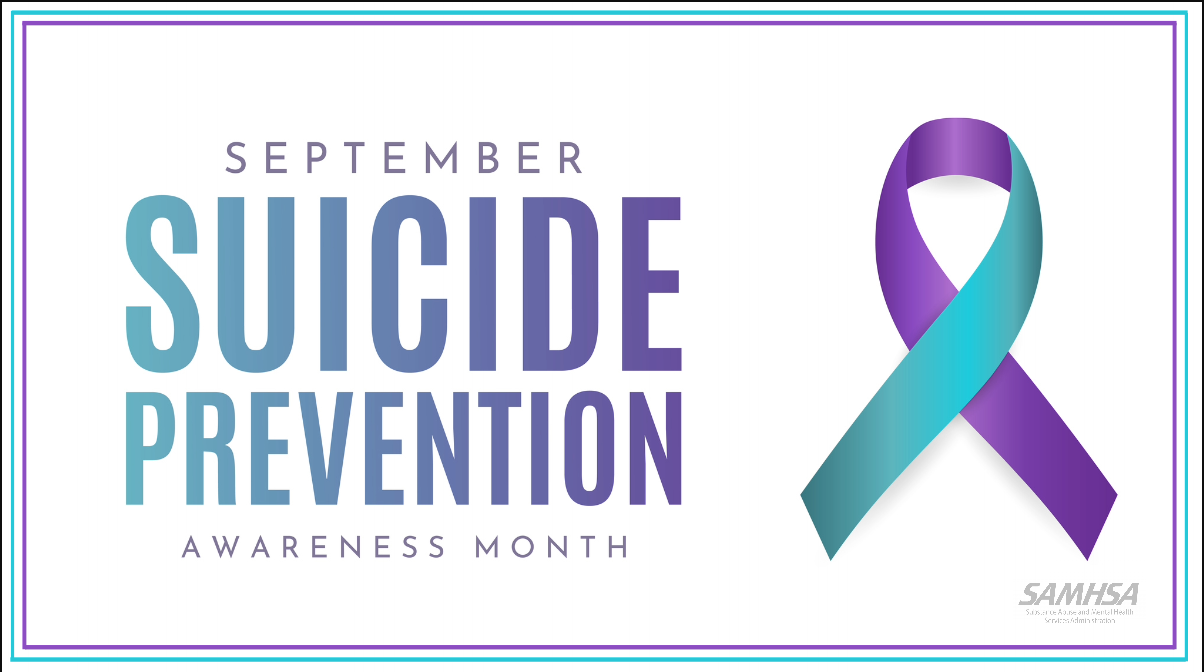
September is Suicide Prevention Awareness Month banner

Semicolons Represent Continuation

You may know the grammatical function of semicolons, but did you know they represent so much more?

If you’ve never heard of Project Semicolon, it’s a cause I greatly believe in. Mental health and self-care are common discussions for writers, and especially for me, who edits psychology and self-help manuscripts.

September is suicide prevention awareness month, per SAMHSA. So if you care about writers and their mental health, consider how you can support both the awareness of suicide prevention and mental health in general.

Why a Semicolon?

When a writer chooses to end a sentence, they use a period. When a writer wants to string together many grammatical elements in a sentence, they can use a comma. However, a writer might choose to use a semicolon instead of ending a sentence; they might extend what they have to say with a simple change in punctuation.

It is with this theory and sentiment that the Semicolon Project continues their mission. People, but especially writers, who have lived through suicidal attempts or ideation might understand the deep symbolism inherent in the semicolon.

A semicolon is sometimes used when the writer could choose to end their sentence, but instead, chooses to continue, to go on, to add to the action of the story.

Related blogTwo Common (and Easy-to-Use) Semicolon Rules.

Semicolons in Real Life

If you are someone or you know someone for whom this symbolism might resonate, someone who is a writer and who may have been suicidal at one time, there are many ways to show your love or support for them and their struggles,

Nearly 50,000 people died by suicide in 2022, which is one person every 11 minutes. The majority (76%) were White; 32% of them were middle-aged adults; 20% of them were women. (According to the CDC statistics.)

Of course, any life lost to suicide can have tragic consequences for the people they leave behind. 

How to Support Writers You Know

First of all, if your friend is a writer and especially if they’re publishing things, you can read them. Leave a review. Leave comments on their social media. Support like this costs you nothing and means so much. 

Big up your writer friends to others — family, friends, and people who you think would connect with their message. There is literally no better way to support your writer friend than to tell people you love what they do.

Second, there’s a lot of semicolon merch out there. If you have the kind of relationship where you can get your writer friend a notebook, or a sticker, or a coffee mug, or something else they’ll love, then there’s shopping options for you my friend. (Check out these search results for “project semicolon” on Etsy!) 

Third, if you’re really hardcore about a writer or if you’re the type of writer who has been in the suicidal boat yourself, there are a range of tasteful and heartwarming semicolon tattoo designs to choose from. Getting a tattoo not only shows your long-term commitment and solidarity with your friend (or yourself) and their (your) struggles, but it’s also a silent form of support for all suicidal people and writers everywhere.

You can check out this Pinterest board for semicolon tattoo inspiration. 

Whatever you do, take a few minutes this month to support writers and spread awareness about suicide prevention. 

Ready to Talk to an Editor about Your Writing?

Posted on Leave a comment

Tips for Writing a Memoir

Black and white image of typewriter with hands on keys; tips to write a memoir

I enjoy a good memoir. Reading or listening to the stories of real people’s lives, especially told in the person’s own voice and style, can be one of the most pleasant and inspiring experiences. As a long-time and widely read editor of this genre, I have put together the following list of tips for writing a memoir. These should help smooth the process, whether you’re writing your own story or ghostwriting someone else’s.

Tips for Writing a Memoir No. 1: Solid Framework

Step 1: Draft a disclaimer for your imprint page.

Hear me out. Of course, I think you should start with an outline and a basic story structure. But I’m a planner, so that’s my advice for any book. Specifically when you write your memoir, I think you should start by drafting your disclaimers. 

Often, people are nervous that something they say about someone will become a potential problem. This is a very real legal concern. The legal ramifications for libel (publishing untrue and disparaging remarks about another person) can be severe. Of course, I want you to avoid this. 

On one hand, “If people wanted you to write warmly about them, they should have behaved better,” (easy for Anne Lamott to say!), but of course it’s more complicated than that in real life. 

What is generally advisable is to include a disclaimer on your imprint page (copyright page) as well as online excerpts of your material to say that you are telling your story and your interpretation of events that happened in your life to the best of your knowledge and memory. 

You might change people’s names or other identifying details to help protect their identity, if that’s what you choose to do. And if you choose to do that, then include a disclaimer telling your readers that’s what you did. 

Need some examples to work from? Here are some examples of legal disclaimers for your nonfiction book. 

Of course, this doesn’t have to be the final draft. But just to warm up your brain and get you thinking about what you’re going to write and who you’re going to include in your story, spend an hour or so drafting any and all disclaimers you think you’ll need for your memoir.

Step 2: Draft the introduction

I know you want to jump right into telling your story, but make sure you have the framework in place first. My second step in the first of my tips for writing a memoir is to outline and draft your introduction. 

Generally, I’d recommend an introduction that’s two to three pages for the final draft, so for this first draft, just aim for a page. Page and a half maybe. 

In your introduction, you want to grab the reader’s attention at the beginning, which is often done with a “hook” story. An inciting incident. Something that makes them want to know more. If you can tell an interesting, impactful, emotional story in a paragraph or two, you’ll grab them and pull them right into the rest of your book. 

Then, give them a big picture overview. A paragraph or two about who you are and why you decided to write this book. What’s your big idea? The main lesson you learned? What is compelling you to share your wisdom, your humor, your vulnerability (etc.) with them? Spend a little time introducing yourself, but more importantly, be clear and focused about the purpose and intention behind your writing. 

Then, promise them something. What will they get out of your book? What’s in it for them? Promise to entertain, to delight, to inform, to educate, to open a new perspective, to inspire … promise them some kind of verb. It doesn’t have to be over-the-top life changing. But promise them that they’ll know more or have fun. Something personal. 

Now when you write your memoir, you’ll have a clear sense of purpose and a goal to align your content with. Refer back to this draft of your introduction as often as you need to. And of course, after you’ve written the main chapters of your story, go back and revise and finalize this introduction so it not only aligns with what you wrote but so that it says everything you want it to say.

Step 3: Draft the conclusion

I know what you’re thinking: “I came here for tips on how to write my memoir, and you’re talking about framework materials!” 

Look, I know you know your story. You’ll get to that part, I promise. 

But first, draft a page-long conclusion “chapter.” Keep it focused.

Imagine you’re at the end of your writing journey. How do you want to say good-bye to your reader? 

This is your chance to thank them for their time and for joining you on this journey. Tell them how much you appreciate them reading your book. Remind them of the goals and intentions from the introduction and express your hope that they agree the goals were met. 

Then, invite them to connect with you and any other examples of your work online. Include contact information, info for social media and other websites, and anything else you want them to know about where they can find you (events, web courses, other businesses, etc.). 

Of course, if you haven’t set this up yet, don’t worry about it. Put in placeholder text because you’re going to finalize this for real after you write the book anyway. 

Wire framed glasses, dried flowers in a vase, and a handwritten note on a table; use ambiance to write your memoir

Tips for Writing a Memoir No. 2: Balance Truth and Fiction

Second in my tips for writing a memoir is to remember to have some fun with it. Yes, it’s the story of your life, and parts of it may be heavy. But it’s also your time to shine. Your time to tell the world who you are and what you stand for. Your chance to showcase your growth, your talents, and your passion. Take the license to be a bit creative when you need to be…and check out my Tips for Writing Your First Draft

Step 1: Prepare your notes

Now that I’ve advised you on how to build the framework when you start to write your memoir, I can give you my best tips for creative writing in this genre. 

The truth is that memory is notoriously faulty. (Oh, I’m sure. Not your memory, of course…) The first place to begin is your own documentation. Old journal and diary entries, correspondence (including emails or message threads), and video or photo archives are good places to start your own research. 

Sitting to look through all of this can be overwhelming and distracting. Don’t start by diving in. Instead, when you’re writing a chapter, scene, or retelling of something that happened, make note of when you can recall something in your archives that will help you confirm the details. Then later, at a separate time, you can dig through and find your source or reference materials. 

For example, let’s say you want to write about your wedding day. (Forgive me, it’s an easy example). You want to include details about what people were wearing and how old certain people were; you want to include some of the drama of the planning process and what happened after the Big Day. 

Well, you write the scene, and you make an accompanying list of all the places you can double-check yourself on the details: photo collections, emails from certain people in the days leading up to or following the event, family members and friends’ social media posts. Now you have a narrow list of places to check for specific details. Of course, in your research, you may find other details you’d forgotten that you wanted to add, or other info you’d like to change. But that’s what revision is for. 

But preparing your notes before you dig into your own archives can save you a ton of time in the research process

Step 2: Prepare to interview

One of the richest resources for knowledge and perspective that any of us have in our lives is other people. When writing your memoir, consider who else participated in some of the big (or small) moments of your life, and with whom could you confirm the information and discuss your portrayal of events and experiences. 

You may be thinking, “What? I don’t want other people’s words to write my memoir for me. I want to use my own words.”  

Of course, you want people’s input. You want their enhanced perspective to fill in gaps in your knowledge or inform your reflection and discussions about long-term results of things that happened. But don’t feel obligated to include all the information from every interview. You simply can’t. You’ll have to fine-tune what is said so it weaves into your narrative, and some information or people’s perspectives simply may not fit. 

On the practical side of my tips for writing a memoir, I advise creating documentation of your interviews. Record any in-person or virtual voice-to-voice conversations and have them transcribed so you can edit them in where needed. Otter.ai is an excellent resource for this, and you could certainly hire someone to proofread the transcript for you before you begin working with it.

Step 3: Think of memoir like time travel

Now you have all these notes and you have words from others about what happened or what they think happened. You’re getting closer to having a whole story to tell. 

That’s what makes a great memoir more than just a collection of facts about a person’s life – it’s the story of how those facts and events and circumstances and reactions all came together to result in something (someone) who does things differently and who has something to teach: You! 

The best memoirs creatively retell the most important events and balance between the stories that took place in the past and the current version of the person reflecting on the lessons learned or how that event influenced them in the long term. There are different ways to do this, and among my best tips for creative writing is that you figure out what process and structure works for you. 

Some save all their reflection for chapters toward the end of the book; some have a section at the end of each chapter that reflects on the events discussed in that chapter; some interweave or jump forward and backward in time. It all depends on your style, but make sure while you’re writing that you include some narrative about you now, today, as a writer, reflecting on what happened and telling your reader what you hope they learn from it.

What Are Your Top Tips for Writing a Memoir?

The most common writing advice you’ll read — like, show don’t tell and balance between narration, action, and dialogue — applies to whatever you write, but specifically, these are my best tips for writing a memoir. What are yours? Share them below! Memoir is a unique genre that allows a writer to combine their storytelling talents with a little bit of research into facts of personal history. But when you write your memoir, you get to tell your story your way, which is invaluable. Hopefully these tips make the process a bit easier and even maybe a bit more fun! 

Posted on Leave a comment

Advice for Writers: Intellectual Property & Estate Planning

Close up shot of a Last Will and Testament document. The advice for writers is to include all pertinent information in their Will.

The Legacy of You: Writing & Publishing Books

Every now and then, I’ll get a request for legal advice for writers that I don’t know the answer to — but I love learning! When I was completing my BA in English, I was a copywriter at a local attorney’s office, so I learned a few things about legalese. And after nearly 14 years as a freelance writer and editor, I’ve learned a few things about the publishing business and the legal side of writing and publishing books. I don’t think I can answer all the questions in a single blog post, but today, I’d like to try to hit the highlights and explain a bit about copyright, intellectual property, and estate planning for authors.

Disclaimer: Seek Specific Legal Advice for Writers in Your State or Country

While this blog will discuss some general legal aspects to consider as a published author and in the industries of writing and publishing books in general, I am not a legal expert. IP law is complex and can vary by location and other factors. I advise you to seek specific legal advice from a professional for your particular situation.

The Basics: Copyright Laws & Intellectual Property

You worked hard on your writing, your craft, and you should feel a bit protective of it. Because you created it, you own the “copyright” on it. Because it is not a tangible item–it’s an artistic creation born of your intellect–it’s known as “intellectual property” or IP, for short. 

Like any other property, your writing–both published and nonpublished books and all rights associated with them–can be legally protected, passed on/inherited, gifted, insured, taxed, and all those other things that come along with legal properties. You likely do a pretty good job of managing this during your lifetime, but we’re here to answer some basic questions about how your writing fits into your personal estate and post-life legacy.

Copyright Laws

Black copyright symbol on white background; use when writing and publishing booksFirst, a few basics about US copyright laws that you should know if you’re writing and publishing books. When you wrote your document, the copyright was automatically granted to you. So whether or not you ever registered your book with the US Copyright Office, you own the copyright. Registering your book does give you extra legal benefits and protections, so go ahead and visit the Copyright Office website and do that first.  

Generally, copyright protection lasts throughout the creator’s life and for 70 years after their death. At that point, your book will enter the public domain, meaning that anyone can use it without permission. During those 70 years, the copyright can be managed by someone you trust, who can benefit in many ways from holding that copyrighted property.

Access to Your Digital Materials & Archive

It’s important to think ahead about putting together all your IPs into a single organized system. If you’re not the most organized, ask for help! There are a number of legal or publishing business consultants and coaches who can help you not only compile the appropriate paperwork, but they can help you organize your digital assets too. 

The intellectual property associated with your book isn’t just limited to the final print or e-book version, after all! The IP includes your unpublished materials such as notes, rough drafts, correspondence, and literary archives (aka, your scrap heaps). All those random items on your computer or stored in the cloud. 

If organizing all that seems like a daunting task, don’t panic. At the very least, make sure that you specify in your estate documents who should manage your unpublished materials or have access to your computer or cloud storage. Compile all your passwords and give them to the appropriate person or include them in the estate document. It’s the digital version of not organizing boxes of items in your home but giving the right person a key: they have access to rummage through and find what’s useful when the time comes.

Succession Rights

Authors should consider how their literary works will be managed and maintained after their life has ended. This may involve appointing a literary executor responsible for overseeing the publication, licensing, and adaptations of your works. Clearly defining the terms of this role in the estate plan is crucial to ensure a seamless ownership transition. If you clearly outline how your property should be legally distributed, your inheritors will be set up to continue enjoying royalties and residuals for any ongoing or unfinished projects, posthumous publications, and future interests in your work.

More than Authorship in a Self-Publishing Business

Close up of man performing accounting and bookkeeping tasks with calculator and reports; running a publishing business is more than just intellectual property laws. Self-publishing includes both writing and publishing books, which means that it’s more than just authorship and copyright protection to be concerned with as part of an estate; there’s a whole publishing business to consider. 

Tax Advice for Writers Who Self-Publish

Tax laws can get complicated quickly, so American authors should familiarize themselves both with the federal estate tax system as well as any state systems such as probate that could affect their business of writing and publishing books. Additionally, you want to make it as easy as possible for the person who inherits your business to access all necessary tax documents and manage your business’ taxes. When assembling your estate paperwork, be sure to include your most recent tax filing as well as any passwords and login information to digital assets such as accounting software or contact information for tax consultants.

Royalties & Residuals

If you set up a publishing business for your own self-published materials, your work can continue to sell and generate income after your death; make it easy for your inheritors to continue running that business and carrying on your legacy. If your publishing business also publishes and represents work by other authors, the best advice for writers says to definitely consult a reputable business lawyer who can both help your business’ inheritor access and manage all your own assets while also protecting and doing right by the authors whom your business publishes.

Licensing, Permissions, & Translations

Your work is automatically copyright protected and recognized as your intellectual property in the language and medium in which you published it. For example, if you’re writing and publishing books in English that are distributed in the US. But what if, in the future, a publisher wants to translate it to other languages and distribute it in other countries or new markets? What if, after your death, someone wants to turn your book into a movie or a TV show? 

Make sure you consider long-term and alternate uses for your IP beyond what you did during your life. Include your thoughts about what should be done in those scenarios in the instructions for your inheritors! Of course, if the executor is familiar with licensing, permissions, and international copyright, that is wonderful, but if not, provide in your instructions some basic resources that might be helpful to the future executor of your estate. 

Other Publishing Business Items to Consider

Charity

If your business has been involved in a charity during your lifetime, you can include instructions to continue that connection and your support for causes you love as part of your estate. For example, you might leave instructions that a certain percentage of royalties is donated to a specific organization. Or, you might want to establish a charitable trust as part of your estate. Your business and your art can continue to support the causes you loved through legacy donations.

Bottom Line Advice for Writers: Don't Wait, Draft Your Will

Update Your Will Regularly

Like many other things in life, your Will isn’t a one-and-done item. Update your Will whenever a substantial change happens with one of your IPs, your business structure, your overall financial situation, or with one of the people whom you’ve named as inheritor. Some legal professionals suggest updating your Will every five years; if you publish more than one book per year, I might suggest updating it every year when you file your tax return.

Talk to Your Beneficiaries & Executors

Don’t surprise whomever you are going to name as the inheritor for your IP and your publishing business. In the middle of a period of grief, your inheritor may not be in the right headspace to learn about and manage your writing and publishing. Books that are already published may be neglected, and opportunities to publish new materials can be missed. 

Instead – and this is excellent advice for writers but for anyone, really, even if it is difficult – you want to have a serious and thorough conversation about your estate with the person (or people) you’ll name as inheritors. Talk with them about your intentions and your concerns. Give them a chance to ask questions. Clear communication can prevent a ton of hassles and mistakes when the time comes, and even if it becomes a bit emotional, it is well worth the person being prepared to handle any financial obligations or enjoy the benefits associated with the hard work of writing and publishing books that you did in your lifetime.

Last Piece of Advice for Writers: Think Long-Term

Seventy years is a long time. In 70 years, your IPs could reach three whole new generations of fans, be translated into countless other languages, reach global fame, and become the basis for stage plays, graphic novels, or other media you never thought about during your life. Whether you’ve gone through a traditional publishing business or self-published your own works and established your own business entity, there’s great, easily accessible legal advice for writers to make it as easy as possible for their IPs to live on vibrantly and lucratively for those seven decades. (For an excellent article that inspired me to write this blog post, visit this article at selfpublishingadvice.org!) You want to make it easy for your loved ones to benefit from your hard work! When you put together your estate and wishes for your IPs, dream big. You never know what might happen with your work in the future.

Posted on 1 Comment

Tools for Romance Writers: Ratings for Spicy Romance Novels

Although writers of all genres should consider how different readers may approach their text, it’s particularly important for writers of romance, erotica, or “spicy romance” novels to connect with readers who are looking for their content. That’s why everyone could benefit from a universal ratings system.  

As a reader, if there were a single standard for rating the “spice level” in books, it would be easier to select, recommend, and review books they love and avoid books that don’t match their preferences. As a writer, a single rating system would make it easier to connect with readers who enjoy reading about what you enjoy writing about. 

Oh! If only. 

While other types of media such as TV shows and movies have standard ratings systems that make it easier for viewers to identify age-appropriate and content-desired material, books are sadly a bit different. While many good romance authors are beginning to include “content warnings” (or “trigger warnings”) so readers are aware of specific content they may find upsetting (or particularly enticing), it’s not required nor a standard practice, although it does seem to be trending in that direction (especially with self-publishing authors). 

But without a universal rating system for books, it remains difficult for readers to have insight into what books are appropriate for them (or their kids, if they’re parents), and it remains difficult for writers to appropriately connect with the right readers. 

Rated Reads helps parents determine if the book their child is reading is age-appropriate (not just because of romantic or sexual content, but for a whole host of reasons.) Our blog last year on the Accelerated Reader Bookfinder tool may also be helpful.  

So what do writers and readers do? Well, here are a few things to consider if you enjoy reading or writing romance, erotica, or erotic/spicy romance.

What’s the Difference?: Romance, Erotica, & Spicy Romance Novels

It’s important to note that reader preferences vary, and what one person considers spicy or erotic may differ from another’s interpretation. The key is to find a balance that suits the preferences of the target audience while maintaining a coherent and engaging narrative.

Hiring some romance beta readers can help you gauge where your novel falls on these scales and help with your marketing and promotion plans. Beta readers in general, but specifically, beta readers who are avid fans of different types of romance, can be invaluable in helping you determine if your content has the “right” spice level for your target readership. 

If you are a romance reader and want to help writers hone and perfect their on-page spice, consider being a beta reader! There are numerous groups on Facebook and hashtags on IG and TikTok (aka “Bookstagram” and “BookTok”) where you can volunteer to be ARC or beta readers for the works-in-progress of all types of romance writers. 

Romance

Woman and man in wedding attire laughing next to table; man wearing hat and woman holding bouquet. Romance novels typically end with happily ever after.
Romance novels typically end with "happily ever after."

To begin with, a “romance” novel typically holds the romance and the developing relationship between characters as central to the plot. The best romance novel tips remind writers to keep the emotions as the story’s focus, and there should typically be a strong narrative arc in the journey of the characters, including challenges, conflicts, and resolutions. True romance novels build an emotional connection as they explore their feelings, and the end result for the reader is a satisfying emotional payoff or a “happily ever after” (HEA) ending. 

While there may occasionally be intimacy, often characters will engage in “relations” through euphemism or off-page action, similar to how movies or TV plots will show characters tumbling into bed, kissing, and then fade to black. Often, there is a fade-in afterward to show the characters’ emotional reactions to the events, but the focus is on the emotions and relationships rather than detailed sexual encounters. Even when sex scenes happen on-page, the characters may speak in euphemism or “softened” sexual language rather than explicit word choice from the author.

In movie-ratings terms, true romance novels can be at any major commercial movie level – G, PG, PG-13, or R. 

Erotica (aka Smut)

To begin with, an “erotica” novel typically places a strong emphasis on sexual content and exploration. The primary goal is to arouse and titillate the reader through explicit descriptions of sexual encounters. While erotica may have a plot, it is often secondary to the explicit content, and as all good romance authors know, the narrative may serve as a framework to connect erotic scenes rather than a central focus that details characters’ emotions and their journey toward a romantic connection. Beware of losing sight of the plot just to get caught up in “the action,” unless you intend to write erotica. While some erotica may explore emotional connections, the central theme is sexual pleasure, and the emotional depth is typically not as developed as in romance.

Erotica is known for its explicit and detailed depictions of sexual acts. The language used is often more direct and graphic, catering to readers seeking a more intense exploration of sexuality. Its content runs the full gamut of sexual fantasies, preferences, and kinks that you can find when reviewing the categories and tags of any website that publishes adult videos.

In movie-ratings terms, erotica is pretty strictly X-rated and higher.

Spicy Romance Novels / Erotic Romance Novels

man and woman in intimate embrace. He is shirtless, she facing away from him, he appears to be kissing her neck and removing her shirt; spicy romance novels balance sexual and romance content.

“Spicy romance” or “erotic romance” falls somewhere between traditional romance and erotica. These subgenres acknowledge and include explicit sexual content while maintaining a strong emphasis on the emotional connection between characters. Here are some key erotic romance novel tips:

Balanced Focus: Spicy or erotic romance strikes a balance between the emotional development of the relationship and explicit sexual content.

  • Narrative integration: Unlike erotica, which may prioritize sexual scenes over the plot, spicy romance integrates intimate moments into a broader narrative that includes emotional tension and character development.
  • Reader expectations: Readers of spicy or erotic romance are seeking a more sensual experience than traditional romance without necessarily delving into the more explicit and purely sexual nature of erotica.
  • Varied Heat Levels: “Heat levels” are often used to classify the level of explicit content in romance novels. Spicy or erotic romance can encompass a range of heat levels, allowing readers to choose the intensity of sexual content they are comfortable with.

Like the best rated-R movies can have very graphic, enticing, titillating sex scenes without losing sight of how those scenes play into the overall narrative arc and important relationship-building between the characters, spicy/erotic romance novels walk the fine line between turning on both their readers’ bodies and minds. 

Spicy Romance Novel Tips: Popular Ratings Systems & Resources

There are several tools and systems that readers and writers can use to assess the spice levels or explicit content in novels, especially in the romance and erotic genres. These tools are often referred to as “heat levels” or “sensuality ratings.”  Good romance authors would be wise to understand readers’ expectations and make the most of these rating systems and reader feedback to strike the right balance to connect with their audience. 

All About Romance (AAR) is a popular romance-focused website that provides sensuality ratings for romance novels. The ratings range from “Kisses” for books with no sexual content to “Burning” for those with explicit scenes.

Smart Bitches Trashy Books is a romance book review site that provides heat ratings for the books they review. The ratings range from “Sweet” to “Scorching.”

Romance.io is a fairly new (2 years old) book review site that provides a “steam” or “spice” rating for a variety of romance books and invites site members to add their own reviews and ratings. They offer a “similar book finder” so if there is something you liked and want more of, you can find it easily. 

Is the Book Spicy? blog focuses just on the spice ratings. No reviews. No spoilers. Just letting you know how steamy the book gets and what the tropes and triggers are for different titles. 

Goodreads, a popular book review platform, allows readers to tag books with descriptors like “steamy,” “erotic,” or “clean romance.” Reading reviews on Goodreads can also provide insights into a book’s heat level. (Connect with our editor, Cortni Merritt, on Goodreads!) 

Readers can use these tools to find books that align with their preferences, and good romance authors can refer to these and other online spice-rating systems to navigate the varying levels of sensuality expected from readers in romance and erotic novels.

How Writers of Spicy Romance Novels Promote & Connect with Readers

One of the most common ways to connect with readers of spicy romance is through newsletters. It’s a great way for writers to find both romance beta readers and eventually promote their finished books for sale. Many newsletters target in on specific subgenres, character types and tropes, and content that’s close to their heart, but here are a few ideas where writers of spicy romance novels can start brainstorming for promotion and marketing:  

  • Book retailer newsletters (Amazon, Barnes & Noble, Kobo, etc.)
  • Book review sites (Goodreads, BookBub, BookSends, etc.)
  • Book subscription services (Book of the Month, Romance Reveal Book Box, etc.) 
  • Blogs for romance, spicy romance, or erotica books/writing.
  • Social media groups (Facebook, IG hashtags, BookTok, etc.)
  • Forums such as Reddit r/RomanceBooks

By becoming a subscriber to a few newsletters or forums for the genre in which you write, you become familiar with the expectations, including the spice levels and standard ratings, for your spicy romance novels.

Writers of Spicy Romance Novels: Do Your Research

Among all the advice out there on how to write a solid romance novel, tips about incorporating spice are in no short supply. If there were a universal rating system, it would certainly be easier for writers, but since there is not, it is worth the time for a writer working to establish themselves or better target their readership in the romance genre to review several sources of reader feedback about spice levels. 

There’s a reader out there for every book! Don’t feel like you have to force your book to become too spicy if you don’t want it to be, but if you want to turn up the heat, just connect to readers who are looking for that level of burn, and your spicy romance novels and readers will enjoy the perfect match-up.  

Ready to talk to a romance novel editor?

Erotica, Romance, & Spicy Romance Novels Edited by SRD Editing Services

[bookshelf id="1716319548" btn_titles="Titles" btn_icons="" item_width="650" item_height="700" products_box_margin_left="20" product_title_textcolor="#ffffff" product_title_bgcolor="#c33b4e" product_margin="30" product_show_title="true" show_title_in_popup="true" show_selected_title="true" show_icons="false" thumbs_effects="true" buttons_margin="15" buttons_align="center" slide_duration="1000" slide_easing="easeOutQuart" arrow_duration="800" arrow_easing="easeOutQuart" video_width="500" video_height="290" iframe_width="600" iframe_height="430" exclude_products="" orderby="date" order="DESC" shelf_space="medium" skin="skin03" categories="romance-erotica-fiction-edited" post_type="bookshelf"]
Posted on Leave a comment

Write like Great Classic Authors: Ernest Hemingway

Ernest Hemingway, beloved among American classic authors
 

“Write the truest sentence you know.” Then do it again. One sentence at a time, you write your story. Classic authors knew that there was nothing like capturing and keeping a reader’s attention, and titan in the literary world, Ernest Hemingway, knew and performed this trick better than most. 

Known for his concise, powerful prose, Hemingway’s advice to write one true sentence at a time encapsulates the essence of his approach to storytelling—one that hinges on the authenticity of every sentence.

In the world of Hemingway, the narrative unfolds one sentence at a time. Sentences pull the reader along, like links in a chain, to the conclusion, toward the truth. Truth is elusive and can change from sentence to sentence, but if a writer focuses on making each sentence true, the reader will be pulled along. Every writer, (yes, even the classic authors), desires the command of readers’ attention. 

By crafting each sentence with a commitment to truth, the writer threads truth throughout the entire tale.

Black and white photo of classic authors Ernest Hemingway sitting at desk with mountains in the background
For more about the life of Ernest Hemingway, visit the Hemingway House website

How Do I Write Like Hemingway?

To write like Hemingway, focus on simplicity and brevity. Use short, direct sentences and avoid unnecessary details. Embrace the “show, don’t tell” principle, allowing readers to infer meaning from the narrator’s descriptions, character’s expressions or movements, or vague dialogue. 

Develop a keen observation of life and draw inspiration from your experiences. Consider keeping a creative scrapbook and collecting quotes, thoughts, notes, and ideas from authentic experiences you have in real life. Hemingway’s writing incorporates a deep understanding of human emotions, so use real emotions and behaviors you see in the world as inspiration for honest emotional resonance in your writing.

How Do I Edit like Hemingway?

You can also keep this commitment to truth in mind when editing. Hone your editing skills to eliminate redundant or flowery language. Remember that every sentence should be able to stand true on its own. Every sentence should contain something that moves the story forward and keeps the reader engaged. Otherwise, does the story need it? If there’s no truth or value in the sentence, can it be cut? 

Classic authors invested less time in editing than they did in writing, because, when writing everything by hand, they were often more likely to decide on their word before committing it to paper. In today’s world of Backspace and Delete All functions, you may find yourself spending more time editing than Hemingway would have. Technology makes both writing and editing simpler than ever before.

Classic Authors Were People, Too

Of course, Hemingway’s life and work are not without controversy. In particular, his portrayal of women was *ahem* questionable (and certainly never passes the Bechdel Test). I am not the first to criticize him for being stereotypical, limited, and reflecting traditional gender roles. Like any author, his perspective is limited, and his version of the truth in the world is biased. 

But take from him what you can and build a brighter future. 

As you hone your craft as a writer, let this spark of wisdom from one of the great American classic authors serve as a guiding light. Hemingway’s words of wisdom can be a reminder that every sentence should bear the weight of truth. Remember that each sentence not only contributes to the story’s progression but also must captivate and enchant the reader.

If you want to write with a similar brilliance to Hemingway, don’t forget how important it is to develop your own style and voice. Be brief. Wield words with precision and impact. But know that Hemingway is asking you to do more than that: he asks you to deliver profound truths in the most economical manner. Let your sentences resonate, reverberating with the authenticity of human experience.

Ready to talk to an editor?

Posted on 1 Comment

How to Face Rejection as a Writer

Sign saying "You got this" next to black computer screen. To remind writers how to face rejection.

Like any creative, you will hear a multitude of advice on how to face rejection as a writer. No two pieces of advice are going to work the same for any one person; each person will have to find what helps soothe or motivate them after a rejection of a draft submission, no answer or ghosting from an agent, or the negative reviews that readers can leave online which may feel like a rejection of the writer’s ability. (Oof.) 

No matter what type of writer you are, you face rejection. And here’s some tips to help you face it head-on when it occurs.

Tips on How to Face Rejection as a Writer

Remember that you are not your art. Your art is not you.

There are a thousand stories out there about rejection. Thousands. Millions. Of people who know exactly what it’s like to be told they’re not good enough in some capacity. Sure, it’s one thing to be told we’re being rejected for a job or a relationship, but when your art is rejected — something so pivotal that some people identify themselves wholeheartedly with it — that might be a whole other sub-variety of rejection unto itself.

Learn not to identify with your art.

All artists must learn to detach from their creative work. To learn how to face rejection as a writer, it’s crucial to understand that you are not your art, and your art is not you. Art is subjective, an expression of yourself but not all-encompassing and totally defining. Rejection by one group (or one agent!) is just one step in the process of allowing your art to express all aspects of yourself in an authentic, genuine, honest, and valuable way.

Understand the value of rejection & testing your mettle

If you are never rejected, how do you know your true worth? Like a child whose parents always say yes — Veruca Salt comes to mind — you will never know the depth of your own disappointment or have the chance to test your resilience if not rejected. If you are accepted everywhere, are you ever truly welcome? And have you done good by humanity and by your own potential, if no one has ever really turned you down?

Writing often requires persistence and tenacity. The ability to keep submitting work despite repeated rejections is a hallmark of successful writers. Many famous authors faced numerous rejections before achieving success. Learning how to face rejection, how to persevere through, is essential for any writer looking to make a lasting impact. Rejection provides an opportunity to test what you’re made of, find out more about yourself. 

Release your creation

Roland Barthes and his essay “Death of the Author” is something that perhaps only lit majors spend a lot of time with, which is a shame for everyone else. At its core, the central idea is that you, as an artist, must cut loose your art from yourself; it must stand on its own in the world. You cannot follow it around and explain away its shortcomings. You cannot fight its battles against critics. Once you release it, you can’t constantly explain or defend it; it must fend for itself. 

Rejection of your art, your perspective, your creative expression is an opportunity for growth, perspective, and self-evaluation.

Become responsive to rejection

Rejections can lead you to explore new avenues and take creative risks. If one type of writing consistently faces rejection, an adaptable, flexible, and creative writer may be encouraged to try different genres or styles, expanding their horizons and ultimately becoming more versatile and well-rounded in their craft. Respond to the situations you’re in; adapt and overcome as necessary. One (very successful) way how to face rejection as a writer is to write to your strengths; it just might take some trial-and-error to figure out what they are.

Accept misunderstanding

Understand and realize that being misunderstood is inherent in the creative process. Some people won’t “get it,” and their rejection can help you become a better artist. That’s normal and expected. 

As a writer, if you want the reader to understand what you mean, it’s your job to be clear in how you express yourself. (Of course, this doesn’t mean you have to be straightforward, do things the same way as others, or cut short your poetic expression, but if you want someone to get it, it’s your job to give it to them.) However, not all art is for everyone, and as the great Bob Marley said, you can’t please all the people all the time.

But rejection offers you the opportunity to develop your character and emotional maturity, the opportunity to evaluate an aspect of your art that perhaps you did not evaluate before. It encourages humility, patience, and the ability to accept that not everyone will appreciate or connect with your work. These qualities can be valuable not only in writing but in life as well.

See if the rejection can help you shape into a better writer. Then, take what is useful and disregard what is not. Wish the rejector well and keep moving. Not all things are right for all people all the time. You can’t, and won’t, please everyone.

Seek social support

Learning how to face rejection as a writer can also involve seeking support and feedback from peers, writing groups, or mentors. Sharing experiences and receiving constructive criticism from fellow writers can be immensely beneficial.

A Growth Mindset Is the Top Method for How to Face Rejection

Overall, let’s underscore and re-emphasize the idea that rejection is a fundamental part of your growth and self-discovery. Learning how to face rejection is essential in a writer’s journey. Rejection fosters growth, resilience, and the ability to navigate the subjective world of literature, not to mention content creation and all creative expression. Learning to prepare for, anticipate, and not be deeply wounded by rejection will enable you to persevere and ultimately succeed in your craft.

Rejection is hard. Let an editor help you prepare.

Posted on Leave a comment

1 Year with EFA: Editor Training on Sensitivity

Two hands holding wooden letters spelling out "webinar"

July 1 is the first anniversary of SRD Editing Services’ membership in the Editorial Freelancers Association. In the past year, editor Cortni Merritt has taken some awesome editor training and webinar sessions provided by the EFA, and we wanted to tell you a bit more about what’s going on behind-the-scenes and in-front-of-the-screens at SRD Editing Services.

EFA Member & Public Webinars & Editor Training

The Editorial Freelancers Association offers a number of live trainings and recorded webinars. Most are accessible both to editors who are members as well as to the general public, however, a number of them are exclusive only to EFA members. While some webinars and trainings are free, others have an enrollment fee associated with them, although typically the fee is reduced for EFA members.

In addition to a series of webinars to help freelancers and business-owning editors enhance their business skills, several EFA courses focus on improving practical skills such as copy editing and proofreading, while others are meant to enhance the editor’s techniques within certain genres—mystery, memoir, children’s literature, etc. 

This year, editor Cortni Merritt completed and participated in a number of editor trainings that she felt could enhance practical technical skills across multiple genres, while also enriching the customer service experience she could provide to authors who choose SRD Editing Services for their editorial needs. 

The Art of Feedback

Although the MA program and editor training at Florida State University provided extensive practice on giving writers feedback, this hour-long webinar hosted by EFA Chief Executive Officer Christina Frey was a helpful refresher.

Napkin next to a red coffee mug showing feedback loop of "same old thinking" leads to "same old results" and vice versa

Feedback, especially from an editor, should be both collaborative and effective. The author must find it helpful, and above all, everyone must feel respected for feedback to be applied. 

When giving feedback, it is helpful for the editor to provide a neutral, “reader-first” perspective that is not based on opinion but instead on the authority of professional experience.

Authenticity Reading---What It Is & Why Editors Should Care

Authenticity reading, also known as sensitivity reading, is a type of pre-publication read-through for feedback in which the reader focuses on a specific area that readers might find unfairly portrays a group of people.

Most books have some content to which a particular sub-set of readers might be sensitive; different genres and books of different readership have different concerns, but when the writing might be considered “insensitive,” it should be evaluated for those concerns.

Trans Allyship for Writers & Editors

Writer and activist Davey Shlasko led this insightful editor training that examined how an editor can be aware and sensitive to trans identity and expression in the writing they edit. Above all, they say, “Be curious, be self-aware, and be willing to push past your comfort zone.” 

Flags depicting allyship with LGBTQIA+ community

In case of doubt about a person’s pronouns, ask! If you offer yours first (she/her), you may open the space for the other person to share theirs.

When assessing trans content, consider whether characters are being portrayed as real, whole people. Consider who the audience is and suggest further review from sensitivity readers as needed.

Lastly, Davey offered a variety of interesting resources for trans-ally copy editors, which I feel deserve (and will hopefully get!) their own blog: The Radical Copy Editor, The Conscious Style Guideand The Trans Allyship Workbook.  

Demystifying the Language of Disability

Writer and activist Emily Ladau has been educating audiences about life with disability since age 10. In this editor training, she encouraged editors to consider person-first, identity-first language as a part of recognizing and removing subtle ableist bias.

Line drawings of the shapes of people, some who are disabled and wheelchair users or prosthetics users. Line drawings are in a rainbow of colors

People often have preferences regarding the language used to identify them, and if you’re interested in knowing a person’s preference, ask! Some people find “disabled” preferable, while others prefer a euphemism, but a well-meaning editor can devalue thoughtful choices of self-identity by making assumptions.

Generally, Emily advises editing with one eye on the lookout for the tropes of disability and to focus on increasing affirming language and reducing use of disability-insensitive metaphors. While representation is important, a review from a person similar to one being represented is ideal–“Nothing about us, without us.” 

More Editor Training Planned for 2023-2024

It’s only in 2023 that we’ve really ramped up our professional involvement and development, first by announcing the SRD Editing Services membership in the EFA in January 2023, and then announcing our membership in the International Association of Professional Writers & Editors in May 2023. But there’s more coming! 

Subscribe to our blog or follow SRD Editing Services on social media to stay up-to-date with all the exciting announcements. More editor training for our team happening at the Workshop at Authors Publish magazine, as well as from the University of North Georgia. 

Connect with SRD Editing Services on social

Posted on Leave a comment

Goodreads Book List: Father’s Day Recommendations

Drawn image of man and small child silhouette by the sun and the words "Happy Father's Day"

The last-week countdown to Father’s Day begins today! And if you have a dad who loves (or even just “likes”) reading, then I have a book list for you. 

Dad doesn’t want another tie or photo frame this year; he wants a book! 

At least, I think he might. And since I listen to a lot of audiobooks, I thought I’d compile a shortlist of the best books I’ve listened to in 2023 that might be perfect for a dad in your life. I’ve linked here to the audiobooks, since I know I can personally recommend them, but if the dad you’re shopping for prefers physical or ebooks, get him the format you know he’ll love.

Below, you can find the featured book list of my top recommendations from audiobooks read in 2023, but take a look at my Father’s Day Book List Shelf on Goodreads for a comprehensive and more frequently updated list of books I’d recommend for dads. 

Screenshot of Goodreads page with book list of recommended readings for Father's Day from SRD Editing Services
Screenshot of Goodreads book list with Father's Day recommendations from SRD Editing Services

The SRD Editing Services Father’s Day Book List Shelf on Goodreads includes books our editor read or audiobooks listened to in 2022 or 2023.

Recommendations include memoirs, self-help and psychology, history, and fiction with “fatherhood” as a theme.

Connect with Cortni on Goodreads!

Editor Cortni's Featured Short Book List

So while my full Goodreads Shelf includes the whole book list I can recommend for dads, I realized that the books I tag as “dad lit” fall into four main categories: 

  • Parenting books
  • Self-help books
  • Books on topics dads might like
  • Fiction that features “fatherhood” as a theme

So whether you know a dad who is looking to grow, to think, or to feel, I compiled a shortlist of books I think your dad might dig. If you don’t see one below that seems quite like him, check out the full Father’s Day Book List Shelf on Goodreads for my other recommendations!

Featured Parenting Books for Dads

Topping my book list are books that help any Dad become the best Dad he can be. 

Screenshot of book cover of The Opposite of Spoiled by Ron Lieber
The Opposite of Spoiled by Ron Lieber
Screenshot of book cover for Good Inside by Dr. Becky Kennedy
Good Inside: The Guide to Becoming the Parent You Want to Be

The Opposite of Spoiled dives into excellent advice for how to parent kids of all ages and teach financial literacy, responsibility, charity, and even some basic investment advice. The information may be a bit outdated in some respects (pre-Covid), but overall excellent advice to help parents help their children financially excel. 

Good Inside might be my new favorite parenting book. It hits a broad range of topics about relationship development, communication strategies, healthy bonding and attachment, and personal growth that can comebine to make each and every parent better. 

Featured Self-Help Books for Dads

Books that Dad can enjoy while learning to improve himself and enhance his family’s lives. 

Screenshot of book cover for We over Me by Khadeen and Devale Ellis
We Over Me By Khadeen and Devale Ellis
Screenshot of cover of book Cleaning Up Your Mental Mess by Dr. Caroline Leaf
Cleaning Up Your Mental Mess By Dr. Caroline Leaf

We Over Me takes a deep dive into exploring relationship and parenting advice in a practical way. Although a large section of the book is dedicated to describing the story of this power couple who have been together for more than twenty years and are raising four children, there are equally large sections of the book dedicated to discussing communication and parenting strategies, relationship goals and advice, and how to maintain a healthy work-life balance as a working father. 

Cleaning up Your Mental Mess is an in-depth and comprehensive behavioral therapy approach that could help most anyone adjust and reshape a learned behavior through a series of steps. The author has developed an easy-to-follow progressive plan that the reader can use to create a new habit and set of responses or to break out of an established pattern. Adaptive and flexible to nearly every situation, the largest factor that Dad will have to bring to the table is his dedication. 

For History-Loving Dads

Books for dads who love the nerd out/do a deep dive on a specific topic. 

Screenshot for book cover for The Declassification Engine:
The Declassification Engine by Matthew Connelly
Screenshot of cover of book Good for a Girl by Lauren Fleshman
Good for a Girl By Lauren Fleshman

If Dad loves a well-researched deep dive into a topic, he may enjoy either of these titles. 

The Declassification Engine explores the history of protected information and documents in the U.S. From encryption to scandals, from leaks to staged releases, from data management to AI-generated solutions for mismanagement; this title is a wealth of information. 

Good for a Girl is perfect for a father of a female athlete. This title explores the areas of girls and women in sports at all levels, from introductory to professional, and the physiological, psychological, and sociological impacts and challenges. While the writer may be a runner, the information contained within applies to women in every sport. 

Fiction with Fatherhood as a Theme

Books for Dads who love to be told an interesting story that explores the theme of “fatherhood.” 

Screenshot of the book cover for The Curious Incident of the Dog in the Night-time by Mark Haddon
The Curious Incident of the Dog in the Night-time By Mark Haddon
Screenshot of book cover for Fairy Tale by Stephen King
Fairy Tale By Stephen King

The Curious Incident is one of the most unique books I’ve read recently, as the narrating character speaks from a neurodivergent perspective. A young teenager/pre-teen, I suspect his voice will feel both achingly familiar and charmingly young to a reader over thirty years old. It is a relatively short read/listen but packs a real punch.

Fairy Tale, on the other hand, is a monster of a tome and well worth the journey at the end. If Dad is already a fan of Stephen King, you may not have to sell him on this too hard, but if not, I think he’ll enjoy all the classic elements he’ll see here. It’s not horror, but there are some frightening moments in the adventure, and a solid and heartfelt lesson learned along the way. 

So that’s it! This is my book list of top recommendations for dads, out of the books I’ve read in 2023. 

For more suggestions, take a look at this blog with my Top 5 Book List of 2022 or visit Goodreads and peruse my Father’s Day Book List Shelf.

Happy reading, and Happy Father’s Day! 

Got Suggestions for this Book List?

Connect with SRD Editing Services

Posted on Leave a comment

The Importance of Charity

charity-writing-editing

I am learning to love giving. I am learning to love charity. 

It’s a difficult thing, a solid thing, a hard thing: to let go. To release. So much emotion tied up in the material. So many attachments to things in and around daily life.

Some people live in one town all their lives; some people even live in a single house. I have no hometown, no house that I “grew up in.” Semi-nomadic for as long as I can remember, my stuff has long been my home. Items that surround me hold in them the memories of where I’ve been and who was there and what we dreamed about.

The most recent times I’ve arranged my life into boxes and taken them to another building to rearrange my life inside new walls, I’ve realized: there is too much stuff. Too much for a single grown person (and a half-person) to justify.

Why hold on to notebooks from college? As if their weight demonstrates, somehow solidifies, all the knowledge contained in them that was once crammed into my skull. Now, the answer to any question is always right at the end of my fingertips. (But! some inner Junk Lady protests, these pages are in your own handwriting. Isn’t that better than Google, dearie?)

No matter where I’ve lived, the truth remains that we are all connected. When I make the decision to consume, someone, somewhere has produced it, and I can and am having an impact on the producer’s life. When I consume what I don’t need, or don’t consume what I do need because I don’t let go of what no longer fits my life, I also affect the producers. My consumption is active, fluid; decisions change the world.

Mindful Consumption + Charity

Mindfulness and self-reflection result in clarity. As I examine my life, my choices and their consequences, it becomes clearer which attachments bring me joy and which don’t contribute any value. Once it’s clear what doesn’t contribute, the possibility of letting go, of breaking those attachments, becomes reality.

Once I realize that I can let go of a particular thing, my perspective changes. When I can say, “I don’t need this thing,” I wonder why I keep what I don’t need, and what I need that I don’t have. I wonder what it will take for me to begin to embrace charity more in my day-to-day life. 

Donate, donate, donate ...

“They who give have all things; they who withhold have nothing.”

This last year, I’ve gathered a few lessons on how to make giving an effortless, fully-integrated aspect of my life.

I’ve learned:

  • You can (and should!) donate to Goodwill or Salvation Army or your local homeless shelter clothes and shoes that you and your children have outgrown or no longer wear.
  • Donate to your local animal shelter all the toys, bedding, and accessories that your pets rejected or outgrew.
  • Donate books to libraries or shelters; donate toys your kids have outgrown to a daycare center or church.

Personal Charity Favorite:

Got an old gaming system that you can’t resell? Donate it to kids who are stuck in the hospital with cancer and other chronic illnesses. Visit Charity Nerds and make a kid’s day. (Good-bye Leap Frog Leap Pad that my son stopped playing with years ago).

Consume Responsibly ...

Thrift stores, consignment stores, used-furniture outlets, used-book stores*, pre-owned anything. There’s an entire world of apps, brick-and-mortar locations, and retail sites where you basically never have to pay full price and buy anything new, ever. This is especially useful when it comes to items like kids’ clothing.

Warning – I have found that buying shoes from thrift stores/pre-owned clothing stores (and websites) is a tricky process, often with disappointing results.

If and when you purchase new, purchase items from companies that represent your ethics (B-corps, certified fair trade, mission-focused businesses) and/or small business when possible. I love Etsy. With a passion. It’s a fantastic marketplace for unique, handmade items you can give as gifts for any occasion.

Personal Favorites:

I love Me to We, an amazing company that is making serious impacts on every continent. I do not remove the two rafikis I wear on my left wrist, as a reminder and reflection of the solidarity I feel with women around the world.

I also love 4Ocean, working to clean up ocean and shoreline pollution around the world. Each bracelet = cleanup of 1 lb. of trash. I wear one (the sea turtle design) on my right ankle.

I am addicted to Diet Coke. (No but like, it’s seriously a problem.) Coke offers the My Coke Rewards program (redeem the codes under the lids/on packaging for points you can trade for cheap merch), but I found that the “rewards” were about as exciting and long-lasting as the junk from the prize counter at Chuck E. Cheese. Well, I wasn’t going to stop drinking Diet Coke, and my points kept expiring. Sad. Then, I found that you can “cash in” your rewards points as a donation to a school of your choice. Easy solution.

* They still exist, I promise. My personal favorite, in the Orlando area, is Best Used Books.

Automate Your Charity Giving

Use technology to do more, more easily. There are apps that make it easy for you to connect with those in need of charity in your area, or around the world. Donate time, donate resources, donate personally or from your business.

Personal Favorites:

Spend too much time on your phone? Ever use the Pomodoro technique to keep yourself focused? Forest is the app that lets you donate time off your phone toward planting a real tree somewhere on Earth. Because we will always need trees.

Run, walk, bike, hike, or swim with Charity Miles to have your mileage sponsored on your behalf. For every mile you clock, a corporate sponsor donates to the charity of your choice on your behalf. (I donate my miles to the Leukemia & Lymphoma Society, in honor of my brother’s fiance – a two-battle survivor of Leukemia.)

If you are in the food business – maybe you run a restaurant or catering service, maybe you manage a grocery or convenience store – you have dealt with spoilage, surplus, and other inventory issues. Donate extra food. (France made it a law that unspoiled food can’t be thrown out of grocery stores, it required to donate surplus food).

The solution that Philadelphia, Penn., has found is to connect food donors with local businesses, like homeless and domestic violence shelters, that need food. Use the Food Connect app to donate or receive – and leave the Food Connect team a message telling them you want Food Connect in YOUR city!

Charity Begins at Home

No matter how you choose to contribute to your larger community, remember to first and foremost contribute to those in your life who need it. Offer support, love, and compassion to the people you care about. This is an entire topic for conversation (for another blog), but, I firmly believe that if you take care of those you care for, there will literally be more love in the world.

Need an Editor?

Posted on 1 Comment

Ad Copy & Poetry: Kissing Cousins

Depictions of billboards at a busy intersection to relate ad copy and poetry

In writing for businesses, I frequently hear marketing directors/executives/creative team leaders say something to the effect of “Make every word count. We want them to feel, not think. Lead their thoughts with your words.” This is at the heart of ad copy. 

It’s poetry, commercialized. (Oh, and dumbed down to the LCD). People marketing to you expect to you read, feel, and react at about the level of a thirteen year old. Don’t think they respect your intelligence. They think the buyer is “smart” and “savvy”, not knowledgeable.

In my most humblest of opinions.

So, what can we learn here, about this crucial fact of both genres of perhaps the least-read words on the planet? (Think about it: lower but more dedicated readership numbers for poetry vs. a widespread yet fickle audience in advertising.)

“Impact” and “retention” are the names of the games in both.

Impact is Instant in both Ad Copy & Poetry

Whether it’s poetry or sales copy, you need to land with an immediate impact. No, not immediate. Instant. Where in a novel, a reader may give you a whole page to sufficiently hook them, and in a short story the reader might allow you at least a paragraph to breathe magic into words, readers of ad copy and poetry give you about three words.

Three. Friggin. Words.

In no time flat, you have to trigger the reader into some kind of reaction. Get them through to the end of the sentence. That’s your first goal.

All the advice you’ve heard about eliminating adverbs? Now is the time.

You will find a difference in the use of adjectives in poetry vs. ads though. In poetry, you want sensory images and specifics that come with detailed nouns. In ad copy, adjectives can be useful to trigger emotions. You want the reader to be able to picture the product in their hand and their life.

With that being said, some of the same rules apply. Alliteration. Cacophony. The old school literary devices that you “need to know“, all show up in poetry and ad copy.

Retention Depends on Goals

Consider your end goal when writing. 

If you want readers to feel, perhaps reflect and think very deeply, then you’re writing poetry, and you probably can keep someone who reads the first line engaged enough to read the first stanza. From there, it’s up to you to keep them engaged in every line.

If you want the reader to feel something within three words and take action by the end of a single sentence, then you’re in ad-copy-land.

For either type of writing, thinking about the goal of your words will lead to retention of your readers. If your goal is to entertain and inspire, and you focus your words on that, not only can you engage the reader for the entire poem or advertisement, but you have a higher chance of grabbing their attention in future encounters.

Ad Copy & Poetry: Concise. Clear. Compelling.

It’s what both ad copy writing and poetry must be.

Need editing for poetry or ad copy?

Posted on Leave a comment

Tips for Consistent Quality Writing

tips-quality-writing

There’s a problem with doing something well: Once is rarely enough. When you do something (like producing quality writing) well, two things can happen:

  1. Other people begin to expect more of you, and
  2. You begin to expect more of yourself

For a writer, this can be great. A well-done piece deserves the admiration it receives, and you should be proud when an article, poem, essay, story, or book comes together.

But unless you’re one among the rare breed of author — and I mean really, really rare — who can launch a career from one great piece, a single successful publication will not a sustainable income make.

Setting Unreasonable Standards

So after your first great piece, you sit down to write the next one. Immediately the demon of comparison shows up on your shoulder.

What if it’s not as good as your first published thing? What if you don’t live up to the expectations for quality writing you’ve set for yourself?

On some level, you try to tell yourself, “Everything will be okay if it’s not ‘perfect.'”

So you let something slide. Relax a little on your vigilance to push the quality to its extreme.

But if your first high-quality product was noticed by the public, you can bet that any dip in quality will be noticed, too. You set a high standard that others now expect to see in your work, and when they don’t see it, they will let you know.

Setting Reasonable Writing Expectations

What’s the lesson here? How do you keep yourself from being caught in an endless loop of writing better and pushing yourself to the limit every time?

Well, you don’t.

Some people think they can avoid this challenge by settling for a lower quality piece and set low expectations at the beginning. But ask yourself: Why would you expect to get readers if you lower your standards?

Readers have fairly low tolerance for writers who treat them like fools. If you’re offering mediocre or low quality, they won’t be back for more.

With lower quality writing, you’re less likely to engage as many people to begin with or bring back the ones you engage with the first time.

So what to do?

Quality Writing Tip #1: Do your best.

One man’s trash is another’s treasure and all that. If your prose is clean and error free, and your plot is well structured with thought-out character arcs and a solid narrative, readers may forgive historical inaccuracies, use of clichés or bland characters and world building.

Do your best, and be prepared to hear that your best wasn’t “perfect.”

Present the reader with a polished package, and they may overlook some areas where it could be improved. Or, at least you’ll receive feedback on what to improve for your next piece.

Quality Writing Tip #2: Use feedback.

Don’t just “receive” feedback, use it.

If you received praise from readers, and you want to know why they thought your book was high quality — ask!

This might take the form of social media polls, reading your reviews and comment threads, or sending out reader copies  of your work and asking for specific advice.

Use what your readers say to recognize at least four things your readers generally agree was high quality about your writing or the book in general, and identify at two areas where you can push the quality to higher levels in the next poem or manuscript.

Quality Writing Tip #3: Look for quality to emulate.

Maybe you really admire colorful metaphors or quirky descriptions and world building. Maybe tight and minimal sentences are what you strive for.

Read books from some of the great writers in your genre or historical time period and pick out examples of what you think makes their writing great.

Work to structure your sentences the same way, use metaphors or descriptors similarly, or mimic the dialogue style that you find engaging. Whatever it is that you enjoy about reading their work, use as a model for your own craft.

Quality Writing Tip #4: Be patient. Quality takes time.

Be prepared to tackle your manuscript in multiple revision iterations.

Maybe one day, you revise the entire thing with a focus on word choice. Then, the next day, you do a read-through and edit to focus on historical accuracy. Stay focused on the areas you’ve marked for improvement and special attention. Be patient.

You might be midway through your outline and realize you need to do additional research or watch a movie that people recommended as a reference. Do it.

Don’t let the pressure to put out a follow up to your first well-received work push you to a hasty release of the next piece.

If you’re honestly working to improve, you must work as hard as you did the first time, so you can reach the level of quality you’ve already set for yourself. Then, push at least 25% past that. Work harder than you’ve ever worked before; the improvement will show.

Once you become recognized for your skill, enjoy it. But don’t stop.

No one wants to be a one-trick pony, and compromising on your writing quality ensures you will be.

Need Advice on Your Writing Quality?

Posted on 1 Comment

On Intransitive Emotions: Emotional Writing Practice

Pink blooming flowers on the branch of the bush. To express emotional writing and intransitive verbs.

Where Do Emotions Go?

Do feelings have direct objects? Many do. Most of the time.

We do not feel an emotion like love if it is not directed toward some thing or someone. We don’t usually feel anger without a source, a thing that is the reason for our anger. Whether or not anger and love are ultimately directed toward the correct thing is a separate issue. But overall, they are not objectless. Not without an objective.

But what about gratitude? Or loneliness? Or freedom? Or even anxiety?

Some human emotions, like some verbs in the English language, may not need to act upon a direct object. Some things we, as humans, simply feel without it being directed toward a specific thing. Regardless of who caused the emotion or where it came from. Or what we plan to do with it.

I have heard it said that grief is love with nowhere to go. How beautifully tragic. You have so much love, but no object to direct it toward. You’ve lost someone or something you love, and what’s left is this love with no object to love. So it is transformed into grief. And then what do you do with it?

If you can learn to harness and develop your most emotional writing, you may be able to direct these emotions and express their universality to others.

Emotional Writing Is about Range

Consider: It is easy to write about emotions that come from an obvious person or can be directed easily outward or inward toward some manifestation. It is easy to show through emotional writing that a character is angry based on his or her reaction to the circumstances.

But your writing can grow from learning to express the intransitive actions and feelings of life. The things we all simply feel. The things we can’t necessarily explain or simply express.

Consider the sentence: He ran.

The verb does not need to act on anything. It stands alone. No object. This is what makes it an intransitive verb.

What emotions might your character have that run by themselves? What emotional state does your character default to? What might be some of the intransitive emotions that your character feels but which don’t have an object? 

How can you express something like a character’s gratitude for the wind on her face with emotional writing? Is the character grateful to someone or something for the wind, or does she simply feel the gratitude without having anywhere to put it? 

Does your character’s emotion need an object? It can have one, sure, but it may not be necessary. Just like he can run quickly. Or he can run on the pavement, your character can be grateful to someone or something. Even if it’s ineffable.

And if you, dear writer, can make your characters’ actions and intransitive emotions tangible, you will lead readers into a much richer world through the emotional writing that draws readers in and makes characters come to life.

This may be something to incorporate into your own self-editing and revision, as well as an item to address with your creative editor to ensure you’re working together to make your emotional writing as creative and expressive as possible. 

🌹

Ready to talk with an editor about your emotional writing?

🌹
Posted on Leave a comment

Write like the Greats: Charles Bukowski

write-greats-bukowski
Understand me.
I’m not like an ordinary world.
I have my madness,
I live in another dimension
and I do not have time for things
that have no soul.”

Writing like Bukowski

I don’t know much about Charles Bukowski. I know his reputation of being a … less-than-pleasant person. As Modest Mouse said, “God, who’d want to be such an asshole?

But I know poetry (like ee cummings). I know good writing. Every now and then, I stumble across some writing from Bukowski, and it slaps me across the face. 

Bukowski’s writing is raw.

His style is known for being no-frills. Bare-bones. And somehow, as in this example, there is strength in his vulnerability. There is grit ground into his wounds that seem to have scarred over, but he has never forgotten. 

There is anger in these words. But is there not determination? And hope? And a promise for tomorrow? 

The Beginnings

Look at how he begins each line of this poem — as a bold statement about himself. A declaration of truth. 

First, he demands of the reader what they will do. An unapologetic demand that the reader do better, try something different — understanding. Then, he explains what he is (and is not) in a single line, and continues to tell the reader what he has and how he lives.

All these truths command the reader to follow his initial demand. You will understand the straightforwardness of his words, if nothing else. If you understand nothing of what he says, you know by the end what he thinks of you. 

The Last Word

Then, look at the last word of each line. Each thought ends on a noun. A thing. Something real that you can sink your teeth into. Each of these — me, world, madness, dimension, things — evokes an image. Evokes a texture, sound, or feeling. You can picture them in your mind, you could describe them to someone else if you needed to. 

And here is where Bukowski’s vulnerability comes to its head: he needs you to understand him. He needs you to hear what he has to say. Dismiss it when you’ve reached the end, if you want, but for a few sentences, he has made you do something different. He has made you think not only about him and what he is, but perhaps he has made you think about what and who you are as well. 

As tough as he may have appeared, Bukowski needed this connection. With you. He needed you to understand for a moment. And he does not ask this of you — he demands it. 

Bukowski Poetry Tip of the Day:

The heart of your poem (or even, your fiction) is what you’re demanding from your reader. Do not ask them for their attention — command it. Do not ask them to let you show your vulnerability, slice your heart open on the page and make it so they can’t look away. 

Because that is the soul of this poem, isn’t it? We all need to be understood. We all am things, have things, and live … but Bukowski reminds us that we do not have time

Want to talk about your poetry?

Posted on 1 Comment

Writing Challenge: Include Sensations of Movement

writing-challenge-movement

Any time you complete a writing challenge, you encourage your own best writerly self. In today’s blog, let’s discuss the challenge of using action-oriented verbs to describe motion, movement, and physical sensations.

Movement Is Special

The universe is in constant motion. This is my understanding of its oh-so-important laws of physics. Movement is as natural and as important to the world condition as anything.

Whether writing fiction or nonfiction, it’s important to address your characters movements through space. How can you describe the movements of people in their mannerisms and daily life? And, how do you express the physical sensation of movement?

To get a sense of writing the physical sensation of movement, try this verb-oriented writing challenge.

Writing Challenge: Capturing & Embodying Movement

Write in a moving car, or on a train or bus ride. Or on a plane. The point is to focus on your body’s sensations during the motion. What is the sensation in your fingertips? On your skin? In your guts? Would you describe it as a rush? A crawl? A tingle? Dive into it.

Note: Of course, if you have motion sickness or this makes you ill, don’t complete this or any writing challenge that will be detrimental to your health.

For most people, spending a few minutes honing into this sensation with a dedicated writing challenge focuses their active verb choice. Make your mind aware that motion is tied to sensation, and you’ll put the reader inside the characters’ skin.

Looking for an editor to challenge you to take your writing to the next level? 

Year-Round Writing Challenge Bonus: National Novel Writing Month (NanoWriMo)

Are you the type of writer who’s up for a year-round series of writing challenges where you can partner and support fellow writers? If you’re not yet a member/participant, check out National Novel Writing Month (known as NanoWriMo). The official month-long writing challenge takes place in November, with mini-challenges that occur in March and July. Join editor Cortni’s writing group

Posted on 2 Comments

On the Bechdel Test: Writing Tip for Gender

Bechdel test -- women and gender in fiction

As the origin story for the Bechdel Test goes, a political cartoon from the 1970s depicted two women discussing a movie they had seen. One says to the other that there are three things she looks for in a movie in order to qualify it as a “good” movie: 

1. There have to be at least two women in it. 
2. They have to talk to each other. 
3. About something other than a man.

This continues to stand true. It is now a common litmus test for the issue of gender equality representation in film, commonly known as the Bechdel Test.

In general, ladies, we are taught to converse about many things, especially things which relate to men and having relationships with them. As a woman, I’ve noticed this more and more. I’ve kept track of how women relate to one another and the topics they choose to discuss around the lunch table, the water cooler, and the backyard, as it were.

To See A Difference, Do Differently

When I write, I think specifically about the world that I am building for my characters. Who do they interact with? Who do they relate to? What supporting characters populate and color their world? And, more importantly, who do they speak to and what do they speak about?

When writing, you must give yourself constant mini-Bechdel test checkups, to ensure you’re considering the realistic relationship between characters. Recently, while working on writing a developing relationship between two co-lead female characters, I sat and made a list of what defines their friendship.

How long have they known each other? What bonding experiences did they have that drove them together? How do they each see the other? And, perhaps most importantly, what do they talk about?

I wrote out a list of conversation topics — things they had in common or disagree about and keep circling back around to — things that didn’t include men or relationships with them.

For example, one of the characters owns a successful family business, while the other is trying to learn how to launch her own business, so they are able to often talk about business strategies and nuances of their industry.

They are both interested in natural healing and non-chemical cures for ailments, so they discuss plants, herbs, flowers, and they mix ingredients together to create their own formulas, like amateur apothecaries.

They are both interested in the history of the area where they live, and so they are able to talk about and visit together, places of historical interest. Of course, they gossip about the latest news from the British Royals, and they gush over clothing and lipstick colors on each other as they hang out and try them on, but it’s important to me to make sure that their relationship is real, dimensional, and about more than just tragedies in their lives, men, and tragedies that involve men.

What might your characters bond over? Keep your ideas in a scrap heap until you’re building specific people in a specific world.

Focus on Female Characters' Interests

Every (significant) character should have hobbies and interests that make them a believable, well-rounded person. And this might be doubly-true for female characters; traditionally, they are not expected to be much more than props in literature, and although a century of work against that means that the greatest novels include rich, lively female characters, there is still work to be done to ensure that future generations of female readers see women they admire talking about things they’ve never considered before.

Ideas. Perspectives. Personality. If a young female reader is first introduced to the concept of astronauts through female characters, imagine how that might teach her that women are more than pretty — they are the next generation of leaders.

Consider: How do clothes affect your characters? What is important about what they wear?

Reverse Bechdel Test

Less commonly discussed is something I like to call the “reverse Bechdel” test. Just like you want to have a fleshed-out cast of female characters who bring their own knowledge and non-male-oriented agendas to the table, you also want to have well-rounded male characters who are more than women-hating or women-obsessed.

I encourage you to apply a Reverse Bechdel test to a scene where you have two or more men talking — if they’re talking about women, is it in gender stereotypical way? Push yourself to examine your male-to-male conversations and how they talk about the opposite gender. 

Writing Tip of the Day: Write Single-Gender Conversations for Bechdel Test Mastery

As a writing exercise, write a scene where a group of male characters are sitting around a male-comfortable space (like a barber shop, bar, street corner, etc.), talking over a subject. In particular, don’t have any of them bring up women, at all. Nobody comments on a woman’s appearance, no one complains about their relationship, nobody talks about anything sexual.

It might be easy, it might be hard — depending on the story you’re telling. But make sure that at some point, if you want to show strong male characters who are not simple tools of their hormones, show an intelligent conversation between men about a topic that is non-women related.

Additionally, write a scene in which a group of men is discussing women, and make it as honest as you can. To prevent the men from becoming blurred together and indistinguishable, develop their personalities by the ways they talk about women. What women are they talking about? Why? And how?

If you can show the men’s true characters in four or fewer statements about women, the reader will truly feel like they know and understand those characters in any other scenes in which they appear.

Then, challenge yourself to write similar scenes but using only female characters. This exercise may not be a traditional use or understanding of the Bechdel test, but practicing gendered perspectives will develop your overall skills as a writer, undoubtedly. 

Need advice on developing your work in progress?

Posted on 1 Comment

Fullness of Absence: Capturing Silence in Writing

fullness-absence-writing

While listening to a video about personality types, something happened which often happens to me: I started thinking. About silence. In writing. Thinking…

Oh no, you say. Not again, you say.

The speaker in the video said something along the line of: Extroverts think silence is space to be filled, and introverts think silence is a space to be cherished.

I see her point. I know what she’s trying to say. As an introvert, I relate. But then I thought, Well, silence is a space that’s already full.

Maybe it’s not how all introverts see it – I can’t speak for anyone but me. But to me, silence seems to be bursting. And, if writers can capture that silence in writing the moment just right, they will capture an ethereal moment of experience that might otherwise be missed. 

The Fullness of Silence (in Writing and in Life)

Silence is full with the sensation of crusty boogers in my nose, and it’s full of the colors of the trees, and it’s full of the shape of the clouds. A lack of sound doesn’t mean anything more than a fullness of other senses.

It is because it is empty that the cart is useful.**

Silence and an empty cart are not useful in the same way. The cart is not lacking. It has purpose and is full of potential.

Silence is also not lacking. It is a moment rich with the absence of sound. It has purpose of being non auditory and is full of the richness of life without sounds.

There’s a there there, not emptiness. Silence, in writing and in life, is the time when and the place where we can feel life moving

**Tao Te Ching, verse 11

Need someone to support your ideas and help you cultivate silence? Consider developmental editing.

Posted on Leave a comment

Thoughts On Vampires: Death in Writing

vampire-death-writing

Two things are inevitable: Death and taxes. We know that Death does not discriminate. It does not favor. It does not forgive. And it is an eventuality that we each must face. Death in writing (fiction or nonfiction) is as certain as death in actuality.

Every one of us will have to die alone.”

As I write this, I think, “Maybe I should save this for my Halloween post. It seems awfully macabre on a random Monday.”

But I can’t wait until some designated dia de los muertos to think about Death. It’s everywhere. It’s the other side of Life, of every moment.

Does this make it something to fear? Many people think so. Many people instinctively fear Death and avoid thinking about it. However, others actively embrace Death, actively embrace the macabre. Despite your attempts to avoid it, there is no escape.

What Do You Think of Life?

Death shows what we think of Life. Attitude toward the one reveals the attitude toward the other. The questions that a person asks, the questions that a person avoids, the beliefs that a person considers, rejects, or holds dear — all revealed in the questions:

| What happens after we die? and What happens before life? | When is the exact moment of death? and When is the moment life begins? |


mortal writing -- fiction writing death, mortality, ghosts, vampires

While a person conjectures, they also act in accordance with the beliefs they develop. As the world around them affects them, they develop their true inner character and viewpoints on Life and Death.

How to Write About Death

When writing a character, consider how they approach Death as a way to reveal their true personality. Their attitudes toward Death and their interactions with Death in their world display their deepest beliefs and the personality traits they consider core to their identity.

Considering how your character approaches Death should help you answer that ever-pressing characterization question: “What should this character do?”

There’s no one way, no wrong way, to write about Death.

Writing About Death Strategy 1: Protection Against Vampires

The dead don’t bury themselves.

When anthropologists analyze a tomb, burial site, or evidence of human burial rituals, they are able to uncover a great deal about those people’s beliefs and attitudes toward life. We can find out how they lived: what they ate, what they considered valuable, what they thought about vampires.

In every society throughout history, people have wondered what happened after death. And in more than one society (several, in fact, including peoples of ancient India, Colombia, and Greece — so sayeth the great Wikipedia) developed burial rituals to ward against the dead rising from their graves (including this fifth-century Roman grave where a child was buried with a rock in her mouth.)

Your character’s attitudes about Death will come largely from social influences. Who has your character buried, and who will bury your character? Those people are likely to be important, as they will influence your character’s core personality.

But more importantly, consider: How would your character prevent or protect against vampires?

Write a scene, or simply a detailed answer to the question. Consider, seriously, if your character believes that vampires are real, how would they handle that, and what would they do to prevent — or even, to support — vampirism.

Writing About Death Strategy 2: Childhood Memories

Children fear what they’ve been taught to fear, and its nearly impossible to release the fears of childhood once we reach adult status. 

The child’s fears of death become the fears that adults struggle with, live through, carry inside each day. 

To examine your characters’ attitudes about Death, consider what scares them. To their core. What keeps them awake at night? What do they run from?

Write a scene from your character’s childhood that shows and explains the source of their biggest fear. Whether it’s barking dogs or heights or butterflies. Whatever makes them cower, show yourself why. Then consider, how can this fear help my character feel alive? Is there another character who can embrace this terror and push it from fear of death to love of life?

Examining the deep-seated fears and flipping them into life-affirming opportunities both cracks open your character to reveal the child within, and shows you where the character can grow and heal on their journey.

Writing About Death Strategy 3: Go Goth

“I myself am strange and unusual.” 

Is your character unafraid of Death? Unwilling to look away when others shield their eyes. Uninterested in polishing over the unpleasantries.

When I think of characters who won’t look away from Death, I think of Lydia in Beetlejuice. The original 80s goth chick (I love you Winona Ryder!), Lydia is not interested in shielding herself from the “strange and unusual.”

When others don’t notice Death. When others choose to ignore, shake their heads, trivialize, or smile in the face of it, she is investigatory. Her curiosity, which replaces the fear we see or expect in others, is childlike. Refreshing. And it’s honest.

writing goth fiction characters -- writing about deathWriting a “goth” character is not about making someone as “dark” as possible. It’s not about making someone be “obsessed” with Death and destruction (although yes, I have seen these people in real life. These characters can work in fiction as well) — it’s about the wholesome, open embrace of the rotten, the frightening, and the abnormal, with a healthy level of fear, respect, adoration, and appreciation.

For a less funny exploration of this same idea, may I recommend Baudelaire’s The Flowers of Evil? Nearly 200 years later, “A Carcass” is still cringe worthy.

If you think otherwise about Lydia: Go ahead. Fight me. 😉

Writing About Death Strategy 4: Death as a Character

So that’s great — an idea of how some people might approach Death, even when they encounter it. “But,” you might think, “what if my character is fairly normal? How do I write their attitude toward Death and life?”

A practical writing tip for writing about death:

Treat Death as you would another character. Give Death a physical manifestation, a voice, a hair color. You don’t have to do a full character sketch, but a basic outline would be good.

Then, put your character in a diner and have Death sit down and strike up a conversation. About the food at the diner, or the weather, or something trivial. As this is the only scene like this, don’t think about keeping Death’s identity secret. Let Death reveal him/herself in the first couple lines of dialogue, if the character doesn’t immediately recognize Death when it sits at their table.

A single conversation here. Death is not here to take your character, just a casual get-to-know-you conversation. No sense of threat.

How does your character act? With reverence? Joy? Awe? Respect? Relief? Sorrow? Fear?

Let them talk for two, maybe three pages. Then, Death has to go. After you see how your character acts toward this ancient, immortal, potentially terrifying presence, you might discover how they react toward the rest of their life.

For some ideas on how different characters interact with different manifestations of Death, may I recommend Neil Gaiman’s American Gods to you? Novel or TV show. Choose your poison.

I fear no manuscript, living or undead. Need editing?

Posted on 7 Comments

Editing for Creative Writing

editing-creative-writing

Questions I Ask Writers

What makes a creative writer, creative? What can we really call “creative” these days? When editing for creative writing, what should I be most focused on for you, as the creative writer? 

Are you avant garde? Would you want to be? Should you experiment with form, substance, and format? Should you talk to your editor about pushing boundaries? Why?

What makes a fiction editor different from a nonfiction editor? What makes someone more or less helpful with “creative” writing? Why should you look for an editor who suits your style, your voice, and your unique stories?

How do you self-edit for creativity?

Editing for Creative Writing & Creativity

True, I haven’t known every creative writer in the world, but I’ve known a few. In my experience, they tend to be passionate, driven people, who can become emotionally involved with their work. No writer who prides themselves on creativity wants to hear negative feedback from an editor, but if presented the right way, any feedback can truly help the writer thrive.

Reader Experience

One of the duties of an editor is to make sure the writer doesn’t look foolish, cliche, or trite. Especially if the writer is seeking to push into experimental formatting, narrative structure, or media delivery. An editor should be supportive of a writer’s vision and message, while also helping the writer make sure the connection to the readers is solid.

A creative writer may assume that their ideal reader will “get” what they’re doing, immediately and without explanation. An editor should help make the writer’s work easy for the reader to “get.” So during the editing phase, the editor needs to be particularly aware of how to enhance the readers’ experience and understanding of the text.

Perhaps the writer can add references or clarify terms in the opening statements. Maybe the text needs stronger or more nuanced language to clarify a context or theme. Whatever it is, an editor should be able to help the writer spot the need and supply potential approaches to including the new information or wording.

Word Choice

Editors for creative fiction may need to be particularly sensitive to word choice, including things like appropriate descriptive language of scenes and characters, consistency of descriptions and characteristics, and strength of verbs used to impart action or a sense of urgency, when needed for a pacing pick-up.

A basic editor will grammatically correct a sentence. A creative editor will unlock something in the restructuring.

Creative Paint

Its like refurbishing an historic home. The layers underneath are gorgeous, if not looking their best. The editor designs the new look of the text, fixes and patches any broken areas, and thinks of ways to bring new life to the existing building, while completing the look and livability for the readers who will sit down and live inside those pages.

Editing for creative writing may help you put on the final decorative touches, once you’re ready to put your book on the market.

Editing for creative writing must be creative.

Posted on 2 Comments

Decision Making & Writing Your Novel

plan and outline your fiction novel by thinking through every decision

Planning your novel

You have an idea for a novel — that’s great. Now, putting together a plan for it can help you actually see it through and make it everything you hope it can be.

Planning a novel requires conscious decision making. You’re creating a world. You’re creating lives. You’re creating realities. It’s serious business. (Better put on your kill-em-dead lipstick now.)

One way to make decisions while outlining, designing characters, and choosing the aspects of your novel’s reality: consider the question that Jeff Bezos asks himself:

Is this a reversible or irreversible decision?

With this straightforward question, you should be able to help prioritize the decision-making and better structure your plot, themes, and symbolism.

If it’s a reversible decision . . .

Simple decisions can be made quickly and changed later if necessary. Can the decision be reversed? or altered, even? Then make it quickly and get on with whatever you’re writing.

For example: You want to write a scene where two lovers are having a spat a restaurant. You ask yourself, “Well, is it an Italian or Mexican restaurant?”

Does it matter to the plot of the story? Is it something you can tweak later? Then don’t trip. Pick one and write the scene with the appropriate details – delicious menu items, atmosphere, pertinent dialogue.

Now, be wary. Don’t begin writing off all questions with, “Well, I can always change this later.” You will begin to overcomplicate your plot, and multiple revisions can and will lead to inconsistencies.

If it’s an irreversible decision . . .

Decisions with lasting effects should be given some consideration and development. Will this decision affect the story in more ways than one? Will it somehow trigger a domino effect in a web of tangled plot threads that you don’t want to see unravel?

For example: You want a character to stand out for her looks because of a scar or birthmark on her face. Then, in one scene, you attempt to put her in disguise without mentioning how that distinguishing characteristic is covered. If no one recognizes her and she isn’t caught, the reader will see the plot hole.

Choosing a physical feature or personality trait for a character (or setting) is irreversible unless you show why that character has changed.

If you portray and describe a father-figure character as nurturing and receptive, that is an irreversible and defining characteristic that the reader will expect to stay consistent, unless given reason to believe in the change.

Choosing a profession, hobby, or area of expertise for a character carries its own burdens of verisimilitude. The reader will lose belief in your characters (and you) if they don’t seem to know much about their own job descriptions, the fashion of their profession, the details of their so-called interests, or the social discussions of topics they mention.

Don’t say a character is a veterinarian merely so your character can have “a job.” If you’re going to make your character a medical doctor of veterinary medicine – someone who has dedicated years of their life to the study and care of a range of animals – you need to show personality characteristics and lifestyle choices that align with that job.

There’s nothing like reading a character who is supposed to be a social worker, or cop, or a teacher, and being able to tell that the writer has no clue what someone in that profession does.

🌹 🌹 🌹

Editors make everything better. Contact me.  Get help with your writing decisions.