Posted on Leave a comment

How to Write a Horror Novel: Tips for Scary Scenes

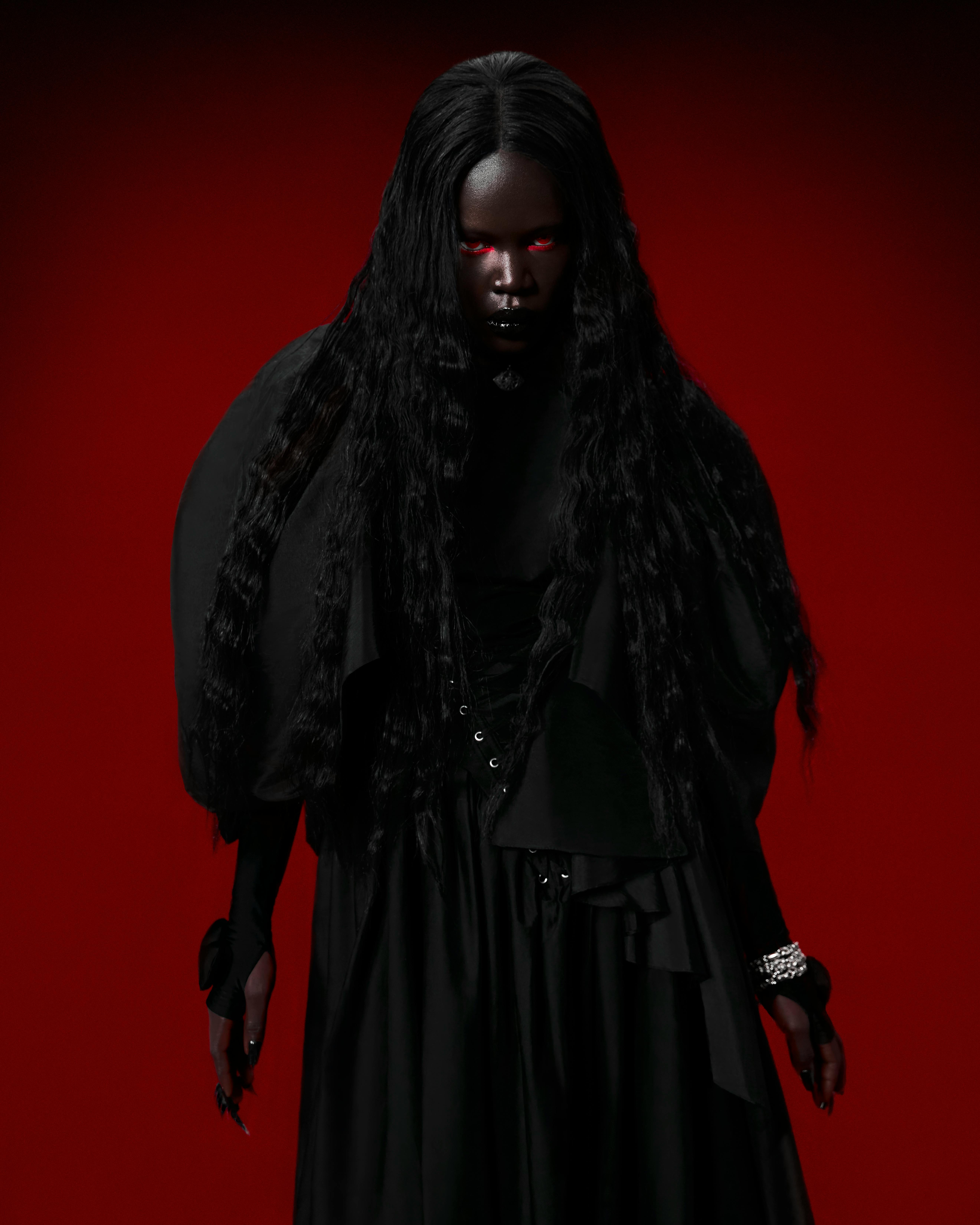
A dark-skinned woman with red eyes wearing all black on a red background stares menacingly into the camera.

Leave your readers with a proper fright after finishing your unnerving tale.

You’re writing your horror book, and everything is coming together nicely: The characters have depth and intriguing backstories; you’ve staked out a creepy setting; and your stalker, monster, cosmic entity, killer inanimate object, etc., is iconic and menacing. You have the components of a great story, yet can’t help but feel that something is missing. You begin to question if you know how to write a horror novel, until you read your manuscript, and only then does it hit you. You don’t feel… scared.

A spider on its web against a dark background with boca effect
Photo by kaboompics. Pexels.

The Importance of a Scare in Horror Story Writing

A well-constructed scare is as important as characters, setting, and plot in horror story writing. It adds bitter flavor, lingering with your readers long after they’ve flipped through the pages. Every ominous shadow in the corners of any room they walk into, strange bumps and thuds in the night, everyday objects that typically don’t frighten them—all because your book left a lasting impact. Tending to your scares with the love and care they deserve keeps your book faithful to the horror genre, and more importantly, makes your book memorable.

I previously compiled a list of excellent horror novel recommendations with bone-chilling scares that you may find useful!

Tip #1 to Write Horror: Find Your Subgenre

Before you begin sprinkling in jump scares or passages of shock and gore, consider the subgenre of your horror book, as each has its own types of scares. A paranormal story relies more heavily on suspense and unease, whereas a slasher leans into jump scares and bloodshed to frighten the reader. If you are struggling to pinpoint your subgenre, consider the following types of horror:

  • Paranormal: events, activities, and entities not scientifically explainable, e.g., ghosts or telekinesis 
  • Psychological: relating to the protagonist’s mind
  • Slasher: a killer or entity preying on a group of people
  • Gore and body horror: concerned with extreme violence and visceral experience
  • Monster: a creature or one’s transformation into one, e.g., werewolves, vampires, zombies

This article covers a more extensive list breaking down these subgenres further, but these are the broad ones worth considering for the sake of this process.

Tip #2 to Write Horror: Harness Fears Effectively

Now that you’ve identified your subgenre, we can look at the different types of fear. Each stroke of horror utilizes different fears, including fear of Death, fear of the loss of sanity, fear of loss of loved people or culture, or fear of pain. 

Consider two classics: Psycho, written by Robert Bloch, utilizes suspense and sudden violence to startle readers in small bursts, whereas The Shining, written by Stephen King, uses the same suspense to establish dread and anxiety that prolongs until erupting into chaos in its final pages. 

These two books reveal different approaches for how to write a horror novel by relying on different types of fear to frighten their readers. It’s crucial to have a solid understanding of your subgenre to know what fears work best. For example, a gore book sustaining the same suspense as The Shining won’t be as effective as one that prioritizes shock and disgust. (For more on how to use a fear of Death in horror story writing, check out this blog.) 

A young Black woman holds open a book and appears engaged with the text.
Photo by Ron Lach. Pexels.

It’s also worth cozying up with similar books and noting their structure. A suspenseful story may involve leaving a trail of unease throughout, and thus requires a different editing approach than a book with quickly established jump scares. That’s not to undermine the importance of maintaining an eerie atmosphere regardless of subgenre (which can be expertly curated utilizing mood boards), but rather to emphasize how scares are catered to differently in horror stories. A revision of your book centered on incorporating these fears can prove useful to heighten the effectiveness of your book. 

Tip #3 to Write Horror: Consider POV

Lastly, and this may sound surprising, but the point-of-view you choose to write your book in greatly matters in how you approach writing scenes that genuinely feel scary. 

First-Person POV

A first-person POV puts readers in the shoes of the narrator, and thus, they can only visualize the narrator’s senses. Curating surprises may be more effective if it focuses on the character’s sudden reaction and feelings toward a scare, told from their perspective. A psychological horror book can utilize confusion to scare readers. You can lean into what the narrator sees and feels that may be abstract or out-of-the-ordinary to play with the reader’s mind, especially if the narrator themselves doesn’t recognize it as peculiar. 

Third-Person POV

Despite the story not unfolding through the narrator’s eyes, a third-person POV can be effective in staging sudden scares or odd occurrences, while also describing the world outside of a character’s immediate view. Great for suspense, a third-person POV allows you to focus on an object or threat that is approaching a character without their knowledge. A monster lurking in the shadows or a ghost appearing on a monitor when someone looks away: A third-person POV is excellent at staging the world outside a character’s direct experiences. 

Even… Second-Person POV?

An excellent example of POV manipulation in horror story writing is in The Only Good Indians, written by Stephen Graham Jones. (Minor spoilers ahead!) The book is mainly written in the third-person, following a group of hunters tracking a monster. In one instance, a character is scanning his surroundings with a gun when he lands on someone, you, the reader, now addressed in the second-person as the monster they’ve been hunting. It’s a masterful example of producing a scare by exploiting POV before the reader can fully comprehend what’s happening. 

If you’re looking for more effective frights, I previously compiled a list of some excellent horror novels with bone-chilling scares!

Map Out and Curate Your Scares

Once you understand your subgenre, its associated fears, and identify your POV, you can begin to establish your scares. There is an extensive list of tips from published writers on what they utilize to startle their audience, and reading other horror books and identifying what about them scares you will inspire you to implement the same techniques when you write horror

Scare Trope Example No. 1: Horrifying "Safe" Spaces

Consider including scares in otherwise-safe spaces. Vividly describing a derelict house or abandoned hospital can be equally valuable in building suspense and unease. Think of Jaws and how the novel (by Peter Benchley) and film (by Steven Spielberg) made an entire generation afraid to swim at the beach, or how the film The Ring (based on Japanese horror novel, Ring, by Koji Suzuki)  recontextualized water wells and TVs as things/spaces to be afraid of. 

Scare Trope Example No. 2: The Unlikely Threat

Another example of a common scare type is an unlikely threat. It could be argued that The Omen (screenplay by David Seltzer) or Children of the Corn (again by Stephen King) largely contributed to a trope in horror involving unease toward children. We assume them unlikely to be a threat, only to be confronted with how horrifying they truly are. Or, how a film like Child’s Play or a novel like How to Sell a Haunted House (by Grady Hendrix) instil in viewers a lurking fear that prompts them to keep their eyes on inanimate dolls…just in case they spring to life. 

Toying with the unordinary and even looking inward at what scares you personally are excellent ways to construct a memorable scare that surprises the reader. You can defy expectations or lean into what already unsettles you and people like you. 

Final Thought About How to Write a Horror Novel

A dark-skinned woman with red eyes wearing all black on a red background stares menacingly into the camera.

A horror book can have intricately written characters or a unique plot, but if it’s not scary (or even suspenseful), readers will feel disappointed. Hopefully, you now feel more confident on how to write a scary scene in your horror novel or short story; hopefully you feel prepared to unnerve and surprise your readers. My final piece of advice for how to write a horror novel is to remember that it is okay to revise and edit until you feel confident your scares are effective. Horror readers love nothing more than the excitement of fear and unease creeping into their daily lives after reading an effective, frightening spine-tingler. Family, friends, colleagues, and professional beta readers can provide valuable feedback that helps you identify what didn’t work and what needs a bit more to really get readers’ hearts racing and keep them up at night.

Ready to speak with an editor about your horror novel?

Posted on Leave a comment

Project Semicolon: Your Story Isn’t Over

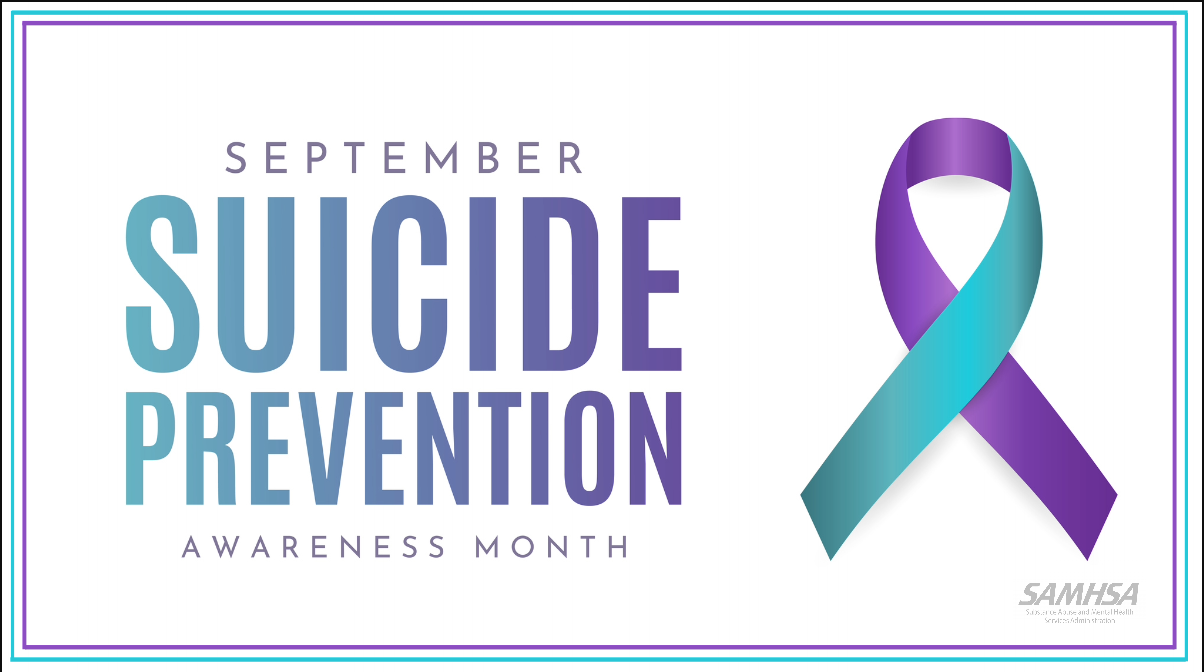
September is Suicide Prevention Awareness Month banner

Semicolons Represent Continuation

You may know the grammatical function of semicolons, but did you know they represent so much more?

If you’ve never heard of Project Semicolon, it’s a cause I greatly believe in. Mental health and self-care are common discussions for writers, and especially for me, who edits psychology and self-help manuscripts.

September is suicide prevention awareness month, per SAMHSA. So if you care about writers and their mental health, consider how you can support both the awareness of suicide prevention and mental health in general.

Why a Semicolon?

When a writer chooses to end a sentence, they use a period. When a writer wants to string together many grammatical elements in a sentence, they can use a comma. However, a writer might choose to use a semicolon instead of ending a sentence; they might extend what they have to say with a simple change in punctuation.

It is with this theory and sentiment that the Semicolon Project continues their mission. People, but especially writers, who have lived through suicidal attempts or ideation might understand the deep symbolism inherent in the semicolon.

A semicolon is sometimes used when the writer could choose to end their sentence, but instead, chooses to continue, to go on, to add to the action of the story.

Related blogTwo Common (and Easy-to-Use) Semicolon Rules.

Semicolons in Real Life

If you are someone or you know someone for whom this symbolism might resonate, someone who is a writer and who may have been suicidal at one time, there are many ways to show your love or support for them and their struggles,

Nearly 50,000 people died by suicide in 2022, which is one person every 11 minutes. The majority (76%) were White; 32% of them were middle-aged adults; 20% of them were women. (According to the CDC statistics.)

Of course, any life lost to suicide can have tragic consequences for the people they leave behind. 

How to Support Writers You Know

First of all, if your friend is a writer and especially if they’re publishing things, you can read them. Leave a review. Leave comments on their social media. Support like this costs you nothing and means so much. 

Big up your writer friends to others — family, friends, and people who you think would connect with their message. There is literally no better way to support your writer friend than to tell people you love what they do.

Second, there’s a lot of semicolon merch out there. If you have the kind of relationship where you can get your writer friend a notebook, or a sticker, or a coffee mug, or something else they’ll love, then there’s shopping options for you my friend. (Check out these search results for “project semicolon” on Etsy!) 

Third, if you’re really hardcore about a writer or if you’re the type of writer who has been in the suicidal boat yourself, there are a range of tasteful and heartwarming semicolon tattoo designs to choose from. Getting a tattoo not only shows your long-term commitment and solidarity with your friend (or yourself) and their (your) struggles, but it’s also a silent form of support for all suicidal people and writers everywhere.

You can check out this Pinterest board for semicolon tattoo inspiration. 

Whatever you do, take a few minutes this month to support writers and spread awareness about suicide prevention. 

Ready to Talk to an Editor about Your Writing?

Posted on Leave a comment

Tips for Writing a Memoir

Black and white image of typewriter with hands on keys; tips to write a memoir

I enjoy a good memoir. Reading or listening to the stories of real people’s lives, especially told in the person’s own voice and style, can be one of the most pleasant and inspiring experiences. As a long-time and widely read editor of this genre, I have put together the following list of tips for writing a memoir. These should help smooth the process, whether you’re writing your own story or ghostwriting someone else’s.

Tips for Writing a Memoir No. 1: Solid Framework

Step 1: Draft a disclaimer for your imprint page.

Hear me out. Of course, I think you should start with an outline and a basic story structure. But I’m a planner, so that’s my advice for any book. Specifically when you write your memoir, I think you should start by drafting your disclaimers. 

Often, people are nervous that something they say about someone will become a potential problem. This is a very real legal concern. The legal ramifications for libel (publishing untrue and disparaging remarks about another person) can be severe. Of course, I want you to avoid this. 

On one hand, “If people wanted you to write warmly about them, they should have behaved better,” (easy for Anne Lamott to say!), but of course it’s more complicated than that in real life. 

What is generally advisable is to include a disclaimer on your imprint page (copyright page) as well as online excerpts of your material to say that you are telling your story and your interpretation of events that happened in your life to the best of your knowledge and memory. 

You might change people’s names or other identifying details to help protect their identity, if that’s what you choose to do. And if you choose to do that, then include a disclaimer telling your readers that’s what you did. 

Need some examples to work from? Here are some examples of legal disclaimers for your nonfiction book. 

Of course, this doesn’t have to be the final draft. But just to warm up your brain and get you thinking about what you’re going to write and who you’re going to include in your story, spend an hour or so drafting any and all disclaimers you think you’ll need for your memoir.

Step 2: Draft the introduction

I know you want to jump right into telling your story, but make sure you have the framework in place first. My second step in the first of my tips for writing a memoir is to outline and draft your introduction. 

Generally, I’d recommend an introduction that’s two to three pages for the final draft, so for this first draft, just aim for a page. Page and a half maybe. 

In your introduction, you want to grab the reader’s attention at the beginning, which is often done with a “hook” story. An inciting incident. Something that makes them want to know more. If you can tell an interesting, impactful, emotional story in a paragraph or two, you’ll grab them and pull them right into the rest of your book. 

Then, give them a big picture overview. A paragraph or two about who you are and why you decided to write this book. What’s your big idea? The main lesson you learned? What is compelling you to share your wisdom, your humor, your vulnerability (etc.) with them? Spend a little time introducing yourself, but more importantly, be clear and focused about the purpose and intention behind your writing. 

Then, promise them something. What will they get out of your book? What’s in it for them? Promise to entertain, to delight, to inform, to educate, to open a new perspective, to inspire … promise them some kind of verb. It doesn’t have to be over-the-top life changing. But promise them that they’ll know more or have fun. Something personal. 

Now when you write your memoir, you’ll have a clear sense of purpose and a goal to align your content with. Refer back to this draft of your introduction as often as you need to. And of course, after you’ve written the main chapters of your story, go back and revise and finalize this introduction so it not only aligns with what you wrote but so that it says everything you want it to say.

Step 3: Draft the conclusion

I know what you’re thinking: “I came here for tips on how to write my memoir, and you’re talking about framework materials!” 

Look, I know you know your story. You’ll get to that part, I promise. 

But first, draft a page-long conclusion “chapter.” Keep it focused.

Imagine you’re at the end of your writing journey. How do you want to say good-bye to your reader? 

This is your chance to thank them for their time and for joining you on this journey. Tell them how much you appreciate them reading your book. Remind them of the goals and intentions from the introduction and express your hope that they agree the goals were met. 

Then, invite them to connect with you and any other examples of your work online. Include contact information, info for social media and other websites, and anything else you want them to know about where they can find you (events, web courses, other businesses, etc.). 

Of course, if you haven’t set this up yet, don’t worry about it. Put in placeholder text because you’re going to finalize this for real after you write the book anyway. 

Wire framed glasses, dried flowers in a vase, and a handwritten note on a table; use ambiance to write your memoir

Tips for Writing a Memoir No. 2: Balance Truth and Fiction

Second in my tips for writing a memoir is to remember to have some fun with it. Yes, it’s the story of your life, and parts of it may be heavy. But it’s also your time to shine. Your time to tell the world who you are and what you stand for. Your chance to showcase your growth, your talents, and your passion. Take the license to be a bit creative when you need to be…and check out my Tips for Writing Your First Draft

Step 1: Prepare your notes

Now that I’ve advised you on how to build the framework when you start to write your memoir, I can give you my best tips for creative writing in this genre. 

The truth is that memory is notoriously faulty. (Oh, I’m sure. Not your memory, of course…) The first place to begin is your own documentation. Old journal and diary entries, correspondence (including emails or message threads), and video or photo archives are good places to start your own research. 

Sitting to look through all of this can be overwhelming and distracting. Don’t start by diving in. Instead, when you’re writing a chapter, scene, or retelling of something that happened, make note of when you can recall something in your archives that will help you confirm the details. Then later, at a separate time, you can dig through and find your source or reference materials. 

For example, let’s say you want to write about your wedding day. (Forgive me, it’s an easy example). You want to include details about what people were wearing and how old certain people were; you want to include some of the drama of the planning process and what happened after the Big Day. 

Well, you write the scene, and you make an accompanying list of all the places you can double-check yourself on the details: photo collections, emails from certain people in the days leading up to or following the event, family members and friends’ social media posts. Now you have a narrow list of places to check for specific details. Of course, in your research, you may find other details you’d forgotten that you wanted to add, or other info you’d like to change. But that’s what revision is for. 

But preparing your notes before you dig into your own archives can save you a ton of time in the research process

Step 2: Prepare to interview

One of the richest resources for knowledge and perspective that any of us have in our lives is other people. When writing your memoir, consider who else participated in some of the big (or small) moments of your life, and with whom could you confirm the information and discuss your portrayal of events and experiences. 

You may be thinking, “What? I don’t want other people’s words to write my memoir for me. I want to use my own words.”  

Of course, you want people’s input. You want their enhanced perspective to fill in gaps in your knowledge or inform your reflection and discussions about long-term results of things that happened. But don’t feel obligated to include all the information from every interview. You simply can’t. You’ll have to fine-tune what is said so it weaves into your narrative, and some information or people’s perspectives simply may not fit. 

On the practical side of my tips for writing a memoir, I advise creating documentation of your interviews. Record any in-person or virtual voice-to-voice conversations and have them transcribed so you can edit them in where needed. Otter.ai is an excellent resource for this, and you could certainly hire someone to proofread the transcript for you before you begin working with it.

Step 3: Think of memoir like time travel

Now you have all these notes and you have words from others about what happened or what they think happened. You’re getting closer to having a whole story to tell. 

That’s what makes a great memoir more than just a collection of facts about a person’s life – it’s the story of how those facts and events and circumstances and reactions all came together to result in something (someone) who does things differently and who has something to teach: You! 

The best memoirs creatively retell the most important events and balance between the stories that took place in the past and the current version of the person reflecting on the lessons learned or how that event influenced them in the long term. There are different ways to do this, and among my best tips for creative writing is that you figure out what process and structure works for you. 

Some save all their reflection for chapters toward the end of the book; some have a section at the end of each chapter that reflects on the events discussed in that chapter; some interweave or jump forward and backward in time. It all depends on your style, but make sure while you’re writing that you include some narrative about you now, today, as a writer, reflecting on what happened and telling your reader what you hope they learn from it.

What Are Your Top Tips for Writing a Memoir?

The most common writing advice you’ll read — like, show don’t tell and balance between narration, action, and dialogue — applies to whatever you write, but specifically, these are my best tips for writing a memoir. What are yours? Share them below! Memoir is a unique genre that allows a writer to combine their storytelling talents with a little bit of research into facts of personal history. But when you write your memoir, you get to tell your story your way, which is invaluable. Hopefully these tips make the process a bit easier and even maybe a bit more fun! 

Posted on 1 Comment

On Being a Lifelong Book Collector

A person (book collector) sitting on a stack of books, showing bare feet and jeans.

I went book shopping yesterday. I don’t know why I picked up anything. I already had 130 books on my TBR list, three of which were recent arrivals via my boyfriend that I wanted to check out. And I already had six or seven that I have been sitting around various places in the house, set aside from the last trip to the used book store. Two of them, I’ve started but haven’t finished, and the others are patiently collecting dust like the long-suffering forgotten treasures that I’ve (unfortunately) let them become.

So why did I pick up five more? Why did I jump at the opportunity to re-own a book I gave away once and never got back? Why did I snag one from an author I’ve never heard of, largely based on cover art and the back cover summary? (And its placement in the store.)

I do try to do that though. As a lifelong reader (and book collector), I’ve found that grabbing random books from unheard-of authors is how to discover new authors, new worlds, new adventures. I love to return to ones I know and cherish (who doesn’t?), but what joy there is in wandering the aisles and finding a gem.

The Japanese language has a word for book ownership like this: tsundoku

Literally translated as “to pile up reading,” the general meaning is the practice of buying books with the intention of reading them, but letting them pile up instead. Maybe you just never get around to it. Maybe you get distracted by something else. Maybe you just run out of time.

One popular meme discusses how the Old English word for a library was “bōchord”, which literally means “book hoard,” and this implies that librarians are dragons. Now, I’m no librarian, but I’ve had people exclaim, “Your house is like a library!” when they walk in. So, that sounds like a reasonable comparison to me. And I wouldn’t mind being a dragon.

I think part of the reason we (as people) do this is that we like to aspire. We like to see ourselves as someone different. New. Growing. Doing things in the future that we’re not doing now. It’s hopeful, isn’t it? It’s optimistic that we’ll be more someday than we are now.

Is it a stack of books, a list of recipes to try, a bucket list of places to travel that reminds us of who we want to become?

Is it the comfort of being surrounded by a collection of familiar objects? They don’t change. They simply are, simply existing, simply remaining, ready to be laughed at or change your life, at any moment. They’re so comfortable, those books in your collection, sitting in stacks and on shelves, just waiting for an excited mind of the book collector that cracks their spine and discovers what’s inside.  Even without being opened, they provide some sort of vital energy to a room, whispering secrets that you must be quiet enough and open-minded enough to hear.

A room without books is truly silent.

I guess if I ever want to become a better writer, I better become more than a mere book collector and actually get started reading.

Posted on 1 Comment

Ad Copy & Poetry: Kissing Cousins

Depictions of billboards at a busy intersection to relate ad copy and poetry

In writing for businesses, I frequently hear marketing directors/executives/creative team leaders say something to the effect of “Make every word count. We want them to feel, not think. Lead their thoughts with your words.” This is at the heart of ad copy. 

It’s poetry, commercialized. (Oh, and dumbed down to the LCD). People marketing to you expect to you read, feel, and react at about the level of a thirteen year old. Don’t think they respect your intelligence. They think the buyer is “smart” and “savvy”, not knowledgeable.

In my most humblest of opinions.

So, what can we learn here, about this crucial fact of both genres of perhaps the least-read words on the planet? (Think about it: lower but more dedicated readership numbers for poetry vs. a widespread yet fickle audience in advertising.)

“Impact” and “retention” are the names of the games in both.

Impact is Instant in both Ad Copy & Poetry

Whether it’s poetry or sales copy, you need to land with an immediate impact. No, not immediate. Instant. Where in a novel, a reader may give you a whole page to sufficiently hook them, and in a short story the reader might allow you at least a paragraph to breathe magic into words, readers of ad copy and poetry give you about three words.

Three. Friggin. Words.

In no time flat, you have to trigger the reader into some kind of reaction. Get them through to the end of the sentence. That’s your first goal.

All the advice you’ve heard about eliminating adverbs? Now is the time.

You will find a difference in the use of adjectives in poetry vs. ads though. In poetry, you want sensory images and specifics that come with detailed nouns. In ad copy, adjectives can be useful to trigger emotions. You want the reader to be able to picture the product in their hand and their life.

With that being said, some of the same rules apply. Alliteration. Cacophony. The old school literary devices that you “need to know“, all show up in poetry and ad copy.

Retention Depends on Goals

Consider your end goal when writing. 

If you want readers to feel, perhaps reflect and think very deeply, then you’re writing poetry, and you probably can keep someone who reads the first line engaged enough to read the first stanza. From there, it’s up to you to keep them engaged in every line.

If you want the reader to feel something within three words and take action by the end of a single sentence, then you’re in ad-copy-land.

For either type of writing, thinking about the goal of your words will lead to retention of your readers. If your goal is to entertain and inspire, and you focus your words on that, not only can you engage the reader for the entire poem or advertisement, but you have a higher chance of grabbing their attention in future encounters.

Ad Copy & Poetry: Concise. Clear. Compelling.

It’s what both ad copy writing and poetry must be.

Need editing for poetry or ad copy?

Posted on 1 Comment

On Intransitive Emotions: Emotional Writing Practice

Pink blooming flowers on the branch of the bush. To express emotional writing and intransitive verbs.

Where Do Emotions Go?

Do feelings have direct objects? Many do. Most of the time.

We do not feel an emotion like love if it is not directed toward some thing or someone. We don’t usually feel anger without a source, a thing that is the reason for our anger. Whether or not anger and love are ultimately directed toward the correct thing is a separate issue. But overall, they are not objectless. Not without an objective.

But what about gratitude? Or loneliness? Or freedom? Or even anxiety?

Some human emotions, like some verbs in the English language, may not need to act upon a direct object. Some things we, as humans, simply feel without it being directed toward a specific thing. Regardless of who caused the emotion or where it came from. Or what we plan to do with it.

I have heard it said that grief is love with nowhere to go. How beautifully tragic. You have so much love, but no object to direct it toward. You’ve lost someone or something you love, and what’s left is this love with no object to love. So it is transformed into grief. And then what do you do with it?

If you can learn to harness and develop your most emotional writing, you may be able to direct these emotions and express their universality to others.

Emotional Writing Is about Range

Consider: It is easy to write about emotions that come from an obvious person or can be directed easily outward or inward toward some manifestation. It is easy to show through emotional writing that a character is angry based on his or her reaction to the circumstances.

But your writing can grow from learning to express the intransitive actions and feelings of life. The things we all simply feel. The things we can’t necessarily explain or simply express.

Consider the sentence: He ran.

The verb does not need to act on anything. It stands alone. No object. This is what makes it an intransitive verb.

What emotions might your character have that run by themselves? What emotional state does your character default to? What might be some of the intransitive emotions that your character feels but which don’t have an object? 

How can you express something like a character’s gratitude for the wind on her face with emotional writing? Is the character grateful to someone or something for the wind, or does she simply feel the gratitude without having anywhere to put it? 

Does your character’s emotion need an object? It can have one, sure, but it may not be necessary. Just like he can run quickly. Or he can run on the pavement, your character can be grateful to someone or something. Even if it’s ineffable.

And if you, dear writer, can make your characters’ actions and intransitive emotions tangible, you will lead readers into a much richer world through the emotional writing that draws readers in and makes characters come to life.

This may be something to incorporate into your own self-editing and revision, as well as an item to address with your creative editor to ensure you’re working together to make your emotional writing as creative and expressive as possible. 

🌹

Ready to talk with an editor about your emotional writing?

🌹
Posted on Leave a comment

Write like the Greats: Charles Bukowski

write-greats-bukowski
Understand me.
I’m not like an ordinary world.
I have my madness,
I live in another dimension
and I do not have time for things
that have no soul.”

Writing like Bukowski

I don’t know much about Charles Bukowski. I know his reputation of being a … less-than-pleasant person. As Modest Mouse said, “God, who’d want to be such an asshole?

But I know poetry (like ee cummings). I know good writing. Every now and then, I stumble across some writing from Bukowski, and it slaps me across the face. 

Bukowski’s writing is raw.

His style is known for being no-frills. Bare-bones. And somehow, as in this example, there is strength in his vulnerability. There is grit ground into his wounds that seem to have scarred over, but he has never forgotten. 

There is anger in these words. But is there not determination? And hope? And a promise for tomorrow? 

The Beginnings

Look at how he begins each line of this poem — as a bold statement about himself. A declaration of truth. 

First, he demands of the reader what they will do. An unapologetic demand that the reader do better, try something different — understanding. Then, he explains what he is (and is not) in a single line, and continues to tell the reader what he has and how he lives.

All these truths command the reader to follow his initial demand. You will understand the straightforwardness of his words, if nothing else. If you understand nothing of what he says, you know by the end what he thinks of you. 

The Last Word

Then, look at the last word of each line. Each thought ends on a noun. A thing. Something real that you can sink your teeth into. Each of these — me, world, madness, dimension, things — evokes an image. Evokes a texture, sound, or feeling. You can picture them in your mind, you could describe them to someone else if you needed to. 

And here is where Bukowski’s vulnerability comes to its head: he needs you to understand him. He needs you to hear what he has to say. Dismiss it when you’ve reached the end, if you want, but for a few sentences, he has made you do something different. He has made you think not only about him and what he is, but perhaps he has made you think about what and who you are as well. 

As tough as he may have appeared, Bukowski needed this connection. With you. He needed you to understand for a moment. And he does not ask this of you — he demands it. 

Bukowski Poetry Tip of the Day:

The heart of your poem (or even, your fiction) is what you’re demanding from your reader. Do not ask them for their attention — command it. Do not ask them to let you show your vulnerability, slice your heart open on the page and make it so they can’t look away. 

Because that is the soul of this poem, isn’t it? We all need to be understood. We all am things, have things, and live … but Bukowski reminds us that we do not have time

Want to talk about your poetry?

Posted on Leave a comment

On Drinking, Smoking, & Drugs in Fiction

drink-drugs-fiction

Writers: Make sure if your fictional character is doing these things (drinking, smoking, and drugs) the reader has some sense of how it affects them. What’s their experience level with the substance? How do we know? Writing drinking and drugs in fiction can be a challenge, but with a little planning, you can get it right. 

A reader considers themselves to be “a good judge of character.” He or she also (generally) considers him/herself to be intelligent, not easily fooled,  and a good judge of truth.

You can be the judge of your readers’ ability to judge. I’m not here to judge that.

That being said, readers will notice when a writer mentions that a character is drinking, smoking, or doing drugs, but the character is not acting as if he or she is actually doing those things. If a character is supposed to be experienced at trying certain substances, but doesn’t use the terms that users use, or can’t explain how to ingest the drug and what effects to expect to a new user, the reader will call bullshit before the end of the page.

Writing Tip of the Day: Be Prepared to Go Gonzo, a la Hunter S. Thompson

If your characters are going to drink, prepare to make them drunk dial. If your characters are going to get stoned, prepare to make them lose track of large chunks of time and consume mass quantities of chips. … Jokes aside: your readers need to be able to see themselves in your characters. There needs to be the realism that alcohol, cigarettes, and drugs in fiction all have a relatable effect on the characters.

If your character has knocked back multiple double whiskeys and isn’t slurring his words or stumbling over his feet, the reader will need a reason to understand how your character has such a high tolerance.

If your character is sparking up a cigarette in every scene, then immediately snuffing it out in the next paragraph, your readers who smoke will roll their eyes. “At least, if you’re going to have the character light the damn thing, incorporate it for a reason.”

If your character is trying different types of drugs that give different highs, someone who has chased one type of high or another in real life will know. (Drugs in fiction can be especially questionable or unrealistic.)

It’s part of what made Thompson so powerful: he lived the experiences. He could write about the life he was living.

Not that I’m advocating any single one of you pick up any of the lifestyle choices (drinking, smoking, drugs, etc.) mentioned here: simply that, if they are not a part of your lifestyle, you will need to talk to people who have lived it, you will need to research what it is like to actually live the lifestyle in order to accurately relate it.

You have to be prepared to take it to a Thompson-esque level for your character when incorporating drinking and drugs in fiction. You have to be ready to make the character’s experience believable for the reader. Or else, by the time your character “sobers up,” your reader will already be home and in bed with another book.

Photo credit: Antoine Douglas at Concrete Rose Films.

Need an editor to take a magic carpet ride through the alcohol and drugs in your fiction manuscript?

Posted on 1 Comment

Chance, Luck, & The Deus ex Machina in Fiction Writing

chance-luck-deus-ex-machina

Fiction writers: It’s easy to be lazy. When you’ve gotten your characters into a difficult situation, you might think you can quickly move them to another location or give them what they need by including “as luck would have it” or “by chance,” and that explains how your characters saved themselves. 

Don’t be lazy. Move the plot with character motivations, and use chance and luck in realistic ways, to make the story more engaging and believable for the reader. 

What is the difference between ‘chance’ and ‘luck’

Chance is when your characters are in the right place, at the right time. Luck is how the ‘magic’ of their world affects them when they’re in the right time, at right place.

Let’s dig a bit deeper: Many people believe there are forces that pull on people’s lives. Untraceable energies, but persistent, energies like tides that move a person through their destiny.

Many other people believe that there is a force inside a person that attracts or repels other forces, making each person a more active participant in their own destiny.

Many people believe in a combination of both.

Forgive my oversimplifications and bear with me. My point is:

If you, as a fiction writer, understand how the elements of chance and luck work in life, you’ll understand how to use them to move your story’s plot.

Your Characters, the Deux & Destiny

In a narrative, consider the distinction between chance and luck. Consider whether your characters take chances or make luck for themselves.

Your characters will need to be moved from one place to another. It may be convenient for you, as the writer, to have coincidences occur – chance meetings, moments where “as luck would have it” – the character is in the right place at the right time. Or has the right weapon. Or snatches up the dropped item in the nick of time.

None of these are chance or luck. They are you putting a God in the machine to ‘magic’ away a problem.

Tone back the chance and luck. Save it for the best moments. Don’t make things easy on your characters. People who luck their way out of everything don’t grow, and frankly, are boring.

Fiction Writing Analysis & Example: Sean of the Dead

Remember in Sean of the Dead when Sean and his group are heading to the pub, and they run into Sean’s ex and her group of friends? That was a chance meeting. Logically, smart people familiar with the area would use the same unpopular escape routes and happen to meet up with each other along the way.

No information that saved the day was exchanged. No sacred items were passed or last messages left or dramatic rendezvous planned. It just so happened, two people who knew each other — but didn’t influence each others’ stories much — ran into each other. A chance meeting.

On the other hand, luck is when something that Sean and his friends needed happened to be in the right place at the right time, right when they needed it. While there are several moments throughout the film that could qualify, one obvious moment is the working gun at the Winchester saloon. After some dialogue earlier in the film about the rifle, as luck would have it, it was a ready-to-use weapon, with ammunition within reach.

Here, that lucky advantage is offset by a series of hilarious circumstances that oppose the characters and prevent them from taking advantage of the luck. None of the characters are willing or able to shoot the rifle. And once they figure out a method, a bumble with the ammunition quickly renders useless the most valuable, luckiest weapon they’ve come across.

This film is an example of good fiction writing keeping chance and luck believable, even in the most extreme of zombi-pocalypse circumstances. The plot moved forward through luck, then the luck was undermined; luck didn’t come through to save the day either. Although the writers had a chance to give the characters an advantage, they didn’t. They balanced good luck with bad, which kept the tension high in every scene.

The God Who Distributes Luck When It’s Not Needed

Fiction writers have the ability to distribute luck and chance on their characters at will, and often, many default to a position where they throw a lucky bone at a character in a moment of need. It’s trite — when will the character’s luck run out? The reader may begin to expect that nothing will happen to the character, which means nothing will happen in the plot. An overly lucky, unbelievable moment can throw a reader into a shrug and frustrated grunt, as they close the book or turn off their e-reader. 

Instead, be a different kind of fiction writer. Be the god who distributes luck when it’s not needed. Not in a malicious way, but when the character thinks they’ve found a solution, the lucky alternative presents itself. Or when your character is not looking for the chance encounter, it passes them by, but the reader sees it and understands what has just happened. 

Creating this kind of surprise interaction keeps the plot moving in fresh ways, and challenges the reader to guess what’s going to happen next, to keep up with the fun ride you’re taking them on. 

Keep your characters always needing something, and every lucky chance that presents itself getting them closer but not quite there, and you’ll keep your readers longing for more of the story of their eventual success. 

Need a creative fiction editor who can help you keep the plot moving or close up plot holes? 

Posted on 1 Comment

Fullness of Absence: Capturing Silence in Writing

fullness-absence-writing

While listening to a video about personality types, something happened which often happens to me: I started thinking. About silence. In writing. Thinking…

Oh no, you say. Not again, you say.

The speaker in the video said something along the line of: Extroverts think silence is space to be filled, and introverts think silence is a space to be cherished.

I see her point. I know what she’s trying to say. As an introvert, I relate. But then I thought, Well, silence is a space that’s already full.

Maybe it’s not how all introverts see it – I can’t speak for anyone but me. But to me, silence seems to be bursting. And, if writers can capture that silence in writing the moment just right, they will capture an ethereal moment of experience that might otherwise be missed. 

The Fullness of Silence (in Writing and in Life)

Silence is full with the sensation of crusty boogers in my nose, and it’s full of the colors of the trees, and it’s full of the shape of the clouds. A lack of sound doesn’t mean anything more than a fullness of other senses.

It is because it is empty that the cart is useful.**

Silence and an empty cart are not useful in the same way. The cart is not lacking. It has purpose and is full of potential.

Silence is also not lacking. It is a moment rich with the absence of sound. It has purpose of being non auditory and is full of the richness of life without sounds.

There’s a there there, not emptiness. Silence, in writing and in life, is the time when and the place where we can feel life moving

**Tao Te Ching, verse 11

Need someone to support your ideas and help you cultivate silence? Consider developmental editing.

Posted on Leave a comment

Thoughts On Vampires: Death in Writing

vampire-death-writing

Two things are inevitable: Death and taxes. We know that Death does not discriminate. It does not favor. It does not forgive. And it is an eventuality that we each must face. Death in writing (fiction or nonfiction) is as certain as death in actuality.

Every one of us will have to die alone.”

As I write this, I think, “Maybe I should save this for my Halloween post. It seems awfully macabre on a random Monday.”

But I can’t wait until some designated dia de los muertos to think about Death. It’s everywhere. It’s the other side of Life, of every moment.

Does this make it something to fear? Many people think so. Many people instinctively fear Death and avoid thinking about it. However, others actively embrace Death, actively embrace the macabre. Despite your attempts to avoid it, there is no escape.

What Do You Think of Life?

Death shows what we think of Life. Attitude toward the one reveals the attitude toward the other. The questions that a person asks, the questions that a person avoids, the beliefs that a person considers, rejects, or holds dear — all revealed in the questions:

| What happens after we die? and What happens before life? | When is the exact moment of death? and When is the moment life begins? |


mortal writing -- fiction writing death, mortality, ghosts, vampires

While a person conjectures, they also act in accordance with the beliefs they develop. As the world around them affects them, they develop their true inner character and viewpoints on Life and Death.

How to Write About Death

When writing a character, consider how they approach Death as a way to reveal their true personality. Their attitudes toward Death and their interactions with Death in their world display their deepest beliefs and the personality traits they consider core to their identity.

Considering how your character approaches Death should help you answer that ever-pressing characterization question: “What should this character do?”

There’s no one way, no wrong way, to write about Death.

Writing About Death Strategy 1: Protection Against Vampires

The dead don’t bury themselves.

When anthropologists analyze a tomb, burial site, or evidence of human burial rituals, they are able to uncover a great deal about those people’s beliefs and attitudes toward life. We can find out how they lived: what they ate, what they considered valuable, what they thought about vampires.

In every society throughout history, people have wondered what happened after death. And in more than one society (several, in fact, including peoples of ancient India, Colombia, and Greece — so sayeth the great Wikipedia) developed burial rituals to ward against the dead rising from their graves (including this fifth-century Roman grave where a child was buried with a rock in her mouth.)

Your character’s attitudes about Death will come largely from social influences. Who has your character buried, and who will bury your character? Those people are likely to be important, as they will influence your character’s core personality.

But more importantly, consider: How would your character prevent or protect against vampires?

Write a scene, or simply a detailed answer to the question. Consider, seriously, if your character believes that vampires are real, how would they handle that, and what would they do to prevent — or even, to support — vampirism.

Writing About Death Strategy 2: Childhood Memories

Children fear what they’ve been taught to fear, and its nearly impossible to release the fears of childhood once we reach adult status. 

The child’s fears of death become the fears that adults struggle with, live through, carry inside each day. 

To examine your characters’ attitudes about Death, consider what scares them. To their core. What keeps them awake at night? What do they run from?

Write a scene from your character’s childhood that shows and explains the source of their biggest fear. Whether it’s barking dogs or heights or butterflies. Whatever makes them cower, show yourself why. Then consider, how can this fear help my character feel alive? Is there another character who can embrace this terror and push it from fear of death to love of life?

Examining the deep-seated fears and flipping them into life-affirming opportunities both cracks open your character to reveal the child within, and shows you where the character can grow and heal on their journey.

Writing About Death Strategy 3: Go Goth

“I myself am strange and unusual.” 

Is your character unafraid of Death? Unwilling to look away when others shield their eyes. Uninterested in polishing over the unpleasantries.

When I think of characters who won’t look away from Death, I think of Lydia in Beetlejuice. The original 80s goth chick (I love you Winona Ryder!), Lydia is not interested in shielding herself from the “strange and unusual.”

When others don’t notice Death. When others choose to ignore, shake their heads, trivialize, or smile in the face of it, she is investigatory. Her curiosity, which replaces the fear we see or expect in others, is childlike. Refreshing. And it’s honest.

writing goth fiction characters -- writing about deathWriting a “goth” character is not about making someone as “dark” as possible. It’s not about making someone be “obsessed” with Death and destruction (although yes, I have seen these people in real life. These characters can work in fiction as well) — it’s about the wholesome, open embrace of the rotten, the frightening, and the abnormal, with a healthy level of fear, respect, adoration, and appreciation.

For a less funny exploration of this same idea, may I recommend Baudelaire’s The Flowers of Evil? Nearly 200 years later, “A Carcass” is still cringe worthy.

If you think otherwise about Lydia: Go ahead. Fight me. 😉

Writing About Death Strategy 4: Death as a Character

So that’s great — an idea of how some people might approach Death, even when they encounter it. “But,” you might think, “what if my character is fairly normal? How do I write their attitude toward Death and life?”

A practical writing tip for writing about death:

Treat Death as you would another character. Give Death a physical manifestation, a voice, a hair color. You don’t have to do a full character sketch, but a basic outline would be good.

Then, put your character in a diner and have Death sit down and strike up a conversation. About the food at the diner, or the weather, or something trivial. As this is the only scene like this, don’t think about keeping Death’s identity secret. Let Death reveal him/herself in the first couple lines of dialogue, if the character doesn’t immediately recognize Death when it sits at their table.

A single conversation here. Death is not here to take your character, just a casual get-to-know-you conversation. No sense of threat.

How does your character act? With reverence? Joy? Awe? Respect? Relief? Sorrow? Fear?

Let them talk for two, maybe three pages. Then, Death has to go. After you see how your character acts toward this ancient, immortal, potentially terrifying presence, you might discover how they react toward the rest of their life.

For some ideas on how different characters interact with different manifestations of Death, may I recommend Neil Gaiman’s American Gods to you? Novel or TV show. Choose your poison.

I fear no manuscript, living or undead. Need editing?

Posted on 7 Comments

Editing for Creative Writing

editing-creative-writing

Questions I Ask Writers

What makes a creative writer, creative? What can we really call “creative” these days? When editing for creative writing, what should I be most focused on for you, as the creative writer? 

Are you avant garde? Would you want to be? Should you experiment with form, substance, and format? Should you talk to your editor about pushing boundaries? Why?

What makes a fiction editor different from a nonfiction editor? What makes someone more or less helpful with “creative” writing? Why should you look for an editor who suits your style, your voice, and your unique stories?

How do you self-edit for creativity?

Editing for Creative Writing & Creativity

True, I haven’t known every creative writer in the world, but I’ve known a few. In my experience, they tend to be passionate, driven people, who can become emotionally involved with their work. No writer who prides themselves on creativity wants to hear negative feedback from an editor, but if presented the right way, any feedback can truly help the writer thrive.

Reader Experience

One of the duties of an editor is to make sure the writer doesn’t look foolish, cliche, or trite. Especially if the writer is seeking to push into experimental formatting, narrative structure, or media delivery. An editor should be supportive of a writer’s vision and message, while also helping the writer make sure the connection to the readers is solid.

A creative writer may assume that their ideal reader will “get” what they’re doing, immediately and without explanation. An editor should help make the writer’s work easy for the reader to “get.” So during the editing phase, the editor needs to be particularly aware of how to enhance the readers’ experience and understanding of the text.

Perhaps the writer can add references or clarify terms in the opening statements. Maybe the text needs stronger or more nuanced language to clarify a context or theme. Whatever it is, an editor should be able to help the writer spot the need and supply potential approaches to including the new information or wording.

Word Choice

Editors for creative fiction may need to be particularly sensitive to word choice, including things like appropriate descriptive language of scenes and characters, consistency of descriptions and characteristics, and strength of verbs used to impart action or a sense of urgency, when needed for a pacing pick-up.

A basic editor will grammatically correct a sentence. A creative editor will unlock something in the restructuring.

Creative Paint

Its like refurbishing an historic home. The layers underneath are gorgeous, if not looking their best. The editor designs the new look of the text, fixes and patches any broken areas, and thinks of ways to bring new life to the existing building, while completing the look and livability for the readers who will sit down and live inside those pages.

Editing for creative writing may help you put on the final decorative touches, once you’re ready to put your book on the market.

Editing for creative writing must be creative.

Posted on 2 Comments

The Importance of Footwear in Fiction

footwear shoes fiction -- writing editing

If your fiction has human characters, they likely have feet. And so, footwear, that daily triviality, becomes a massive connecting universal that nearly every reader understands. Footwear in fiction matters

At the heart of all good writing is the ability to capture details and universal experiences and translate them into the story on an intimately personal level. As creator and controller of your fiction characters’ minds and lives (easy there, Dr. Frankenstein), you are responsible for translating their life details (like clothing!) so that the reader vicariously experiences them.

Shoes are a great way to do this.

Shoes connect people. Throughout time, in most societies, across classes. Footwear in fiction not only signals to other characters (and the reader) a number of details about the wearer’s life, shoes also remind the wearer of their own circumstances.

Shoes affect your day. Comfortable vs. too-tight, inappropriate vs. worn or damaged. Like you, like your reader, your fictional characters’ footwear impacts their health, dexterity, speed, comfort, safety, and overall mobility. Untied sneakers with the soles flapping and popping at every step are not the same as designer flip flops with rhinestone studs, which are a different experience than wearing weathered cowboy boots.

Fiction Writing Tip of the Day: Walk in Your Character's Shoes

Got an idea who a character is? Put on a pair of shoes that reflects that character when you write about him or her.

As a writing exercise, I recommend visiting a department or large shoe store and trying on styles that you think fit different characters. Then, write your experiences of wearing the shoes.

Write the sounds they made, the feel of the fabric, the tender spots they create on your feet. Write them in your character’s voice, if you can. If you don’t have a specific character in mind, then write a detailed, objective account so you can fit the details of your experience into the right voice when it comes along.

Think about the feet’s connection to the rest of the body. Your character might practice reflexology or have a detailed pedicure routine. Or your character might have nail fungus and callouses. Regardless of what they are like, there is a why they are that way.

The why largely has to do with footwear, and in fiction, it can be the key to your characters’ lives that allows your readers into their minds.

For More Tips on Using Footwear in Fiction, Talk to an SRD Editor

Posted on Leave a comment

Writers Are Weird — YouTube Shout Out

writers are weird -- jenna moreci -- writing tips

Writers need to stick together. Like barnacles.

Strange creatures that we are, we mingle best with our own ilk. Well, maybe that’s not even true. Maybe we mingle with many types. Maybe not. But, no matter your exact experience, you have to admit that writers are weird.

YouTube Shout Out: Jenna Moreci

I love Jenna. An animated, quirky, off-the-cuff, lovable genius. Her entire channel is entertaining, helpful, and provides advice on a range of topics that give new writers hope and keep experienced writers motivated.

Check out: The Nine Weird Habits of Writers

This video tells the sordid tale of a writer and her own mind. By the time Jenna got to number two or three, I was crying with the giggles and sharing the link with my boyfriend so we could laugh together about the fact that I wasn’t the only crazy writer out there.

What’s so weird about writers? Well, according to Jenna (and seconded by me), writers can be smelly, coffee-swilling, hungry, night-dwelling, emotional, isolationist, laptop-clinging weirdos. We might like to be left alone — to watch people, but not to interact with them. We treat not-real people like they’re real and real people like they’re an inconvenience. We may push people away while we crave connection.

If you’re a writer, or want to be a writer, or you need a good laugh, check out Jenna. You’ll find that you’re not the only one.

Editing makes me happy. Need editing?

Posted on Leave a comment

Creative Fiction Writing: The Importance of Animals in World Building

using animals in fiction world building -- fiction and novel writing tips

Most creative fiction writing (and nonfiction books) revolve around and portray human life. Typically, people are a big part of people’s lives and the world we live in.

You know what else makes up your world? Animals. A lot of them.

Write a Realistic, Creative Fiction World

From pets to pigeons in the park to sneaky spiders slinking along behind your refrigerator while you sleep, life is full of creatures. Don’t neglect adding them into your stories for action, rich description, and a change of pace.

Why do animals matter? Where do they fit in your story?

Animals add texture, sounds, tastes, smells, and characterization to a story, and they can fit into nearly any scene.

Writing Animals Exercise 1: Pets

If your character owns a pet, consider not only how the ownership of the pet enhances the human’s characterization, but consider how the animal itself becomes a separate character. Pets have emotions, respond to and interact with their humans, and add something to human life. Not only will your character reveal what type of person they are by how they treat their pet, but the big picture of their life or their society can be shown through the thoughts, actions, choices, or personality of their pet(s).

Consider how the pet will affect the person’s life constantly—dog hair woven into every article of clothing that the character deals with throughout their day, or a cat who marks your character’s suit jacket and although the suit’s been drycleaned, the smell sticks to him. Consider how people with pets often rearrange their schedules, priorities, and finances to accommodate these animals.

Writing Animals Exercise 2: Meals

If your character is an omnivore, consider how animals—the sight, smell, taste, or thought of them—affect their meals. If vegetarian or vegan, your character may be very consciously aware of the presence of animals during mealtime.

Whatever their food preferences, you as the writer can consider how the presence or absence of animals during mealtimes shapes your characters.

Writing Animals Exercise 3: Outdoors

And, depending on location, consider indigenous animals that give zest to places around the world. In some cities, monkeys swing through trees, or parrots fly overhead, or oxen are a common sight. As natural and unassuming as the wind, animals give life to the world.

No matter where your character goes—except maybe in space—there will be animals. In the fields, there are insects chirping, birds flying overhead, and snakes slithering underfoot. In the city, there are rodents that scamper along building walls (remember: squirrels are rodents too!), and neighbors who keep strange exotic pets.

Creative fiction does not need to be in a “real” world, but it does need to be realistic. If realistic, your fiction writing will be believable. A written world is not a believable world if it disregards animals.  

Contact SRD Editing Services for line editing on your creative fiction writing

Posted on 2 Comments

The Importance of Mood Boards

This painting of a pink lobster picture against a pink wall demonstrates how mood boards can spark creativity for your writing.

The Power of Visual Cues

If you use Pinterest, you may inherently understand the concept of a mood board without much explanation. As a lifelong reader who is pleased to see some fabulous cinematic interpretation of literary classics, I have come to appreciate the power and appeal of writers using mood boards as a visual tool.

As a fiction writer, mood boards can be invaluable in keeping the aesthetic of a novel in place. The tone of the novel is set by the words you choose to describe color, the details of items in the world, the movement of the people in it. With each of these word choices, you create the mood of a scene — sadness, joy, tension, betrayal, horror, lust. Use the power of visual cues to direct the imaginary world you are constructing.

What Goes on "Mood Boards"? How Do I Use One?

You can start small or large. Create boards for different characters, settings, or your overall world. Make them as complete, as full, as detailed as you need. What do you put on a mood board? Anything that seems inspiring or in place for the topic.

Example: LoTR Mood Board

If you had to create a mood board for the aesthetic of The Lord of the Rings movies, you might choose pictures from magazines or websites that look like Celtic jewelry and weapons; perhaps audio clips of people speaking Welsh or Old English; perhaps quotes about bravery, honor, friendship, duty, or destiny; perhaps hand-drawn art of fantasy creatures. You might notice a pattern of colors that include forest green, cognac brown, tarnished silver, copper, cobalt blue, and angelic white.

You would put, in short, the textual elements that create the mood or tone achieved in the whole text.

What mood might the elements on this imaginary LoTR mood board create? I see: Antiquated, a bit barbaric, mysterious, perhaps dangerous, and full of curiosities.

Example: "The Road" Mood Board

If you had to create a mood board for the visual aesthetic of The Road, you might choose images of apocalyptic urban deserts; the scent and feel of ash in the air (if it were possible to “pin” such things in place); audio of fearful whispers; perhaps black and white close-up images of a man’s sad eyes; perhaps quotes about loneliness, regret, terror, pride, and nameless love. Except for a few scenes, all colors are greyed, washed out, ashen.

Cover of Cormac McCarthy's book "The Road." A black cover with red text.

(Tangent: whether you’re a movie-watcher or a page-turner, check out all of Tolkien and McCarthy‘s masterpieces. Just sayin.)

Think Ahead: Mood Boards as BTS Content

You may have heard one of the “new truths” about self-publishing: consistent and dedicated self-promotion is the only way your book will sell. (This CNET article is an oldie but still offers some of the most solid advice out there. #19 is right on the money.) After you publish, you can forever be a salesman of your handmade product. So, even while you’re writing that manuscript, think seriously about marketing, promotion, and social media content you want to post during the publication process and after its release.

One fun way to share the writing experience with your readers is to show them #bts (behind-the-scenes) content, such as your edited #wip (work-in-progress) or your mood board. It personalizes, creates excitement, and can help your readers become immersed in the world of your writing.

Post a few pictures of mood boards at different stages. Save a few for “throwbacks” or VIP BTS content. If your creativity is visual and interactive, feed it and see how it levels up your next WIP.

Need professional review, beta read on your early draft, grammatical edits, or help developing characters or plot?

Posted on Leave a comment

The Importance of Music in Writing

music-writing

Every song tells a story, has a story, can take you on a journey. If it’s good. If the music resonates. If it hits home. When incorporating music in writing, think beyond just the pop songs that surround you; think of all the harmonies of the world.

No matter what you’re writing, the world of your words is rich with sounds. The music of life. Car horns, voices, wind. The music written into your world (both fiction and nonfiction) makes it rich, makes it real, gives it texture and emotion.

Consider the soundtrack for your story. It is a microcosm for the journey your characters take. This means that each character who is important enough deserves her/his own soundtrack.

It also means: You must consider what you listen to when you write. It can affect your mood, your word selection, your pacing, the direction of your story. Let it. Choose wisely.

Writing Tip of the Day: Character Soundtracks

Consider creating yourself a playlist (or two, or as many as you need) to put you into the right mindset for writing. Not just of music but of nature sounds as well. Rhythmic beats. Bird calls. 

Maybe one character is an angry, aggressive teenager. Create a heavy metal playlist to listen to when writing him. 

Maybe one character is the quirky, adventurer type, and you think polka fits her personality. Create a polka-for-adventures, music-for-fiction-writing playlist, and get into her groove when you’re writing her dialogue. 

Maybe another character is a new mom, and you want to give her lullabies to sing to her baby late at night. Listen to what she would listen to, and feel what she feels in order to write her so the reader can hear her.

Explore, listen, save. Get out of your normal radio stations and discover deep cuts, live versions, and underground artists in genres you’ve never heard. Consider international music and let the sounds of other cultures impact your mental rhythms. Consider swing, classical, electronic, reggae, Mongolian throat singing.

Save some music that catches your attention and your creativity, and return to them for inspiration, for a change of pace, or to loosen up your thinking when writing fiction or nonfiction. You may be surprised how indulging yourself in sound can make your fingers dance across the page.

🌹 🌹 🌹