Can’t find a template for AI use? Here’s how to write your own AI disclaimer for a book.
With the rise of AI and its utilization becoming more commonplace, you may find yourself implementing it as a tool for your writing. Maybe you needed help crafting an outline, or perhaps you researched or developed your ideas using AI, or maybe you even requested it write an entire passage when you found yourself stuck.
Whatever the case, you may have questions about copyright. Well, for self-publishing authors, there is a clear, simple solution to creating a copyright disclaimer for a book’s copyright page in these situations. But, please keep in mind that AI is still emerging and growing within US law, so ethics regarding AI and copyright are still…a bit of a gray area.

So, What AI Use Is Acceptable?
Legally, no official law in the US requires a book copyright disclaimer about AI use, as the AI Disclosure Act is only in the introduction phase. While the world adapts to this new technology, make sure to keep up-to-date on AI copyright concerns as they develop.
Chances are, you may have already applied AI to your writing process without knowing it. Services like Grammarly use AI to review your work and suggest the best grammatically correct option. Most readers typically see this use as acceptable, but once you wade into the waters of AI models that generate or revise your text for you, be mindful of how you use AI in your writing process.
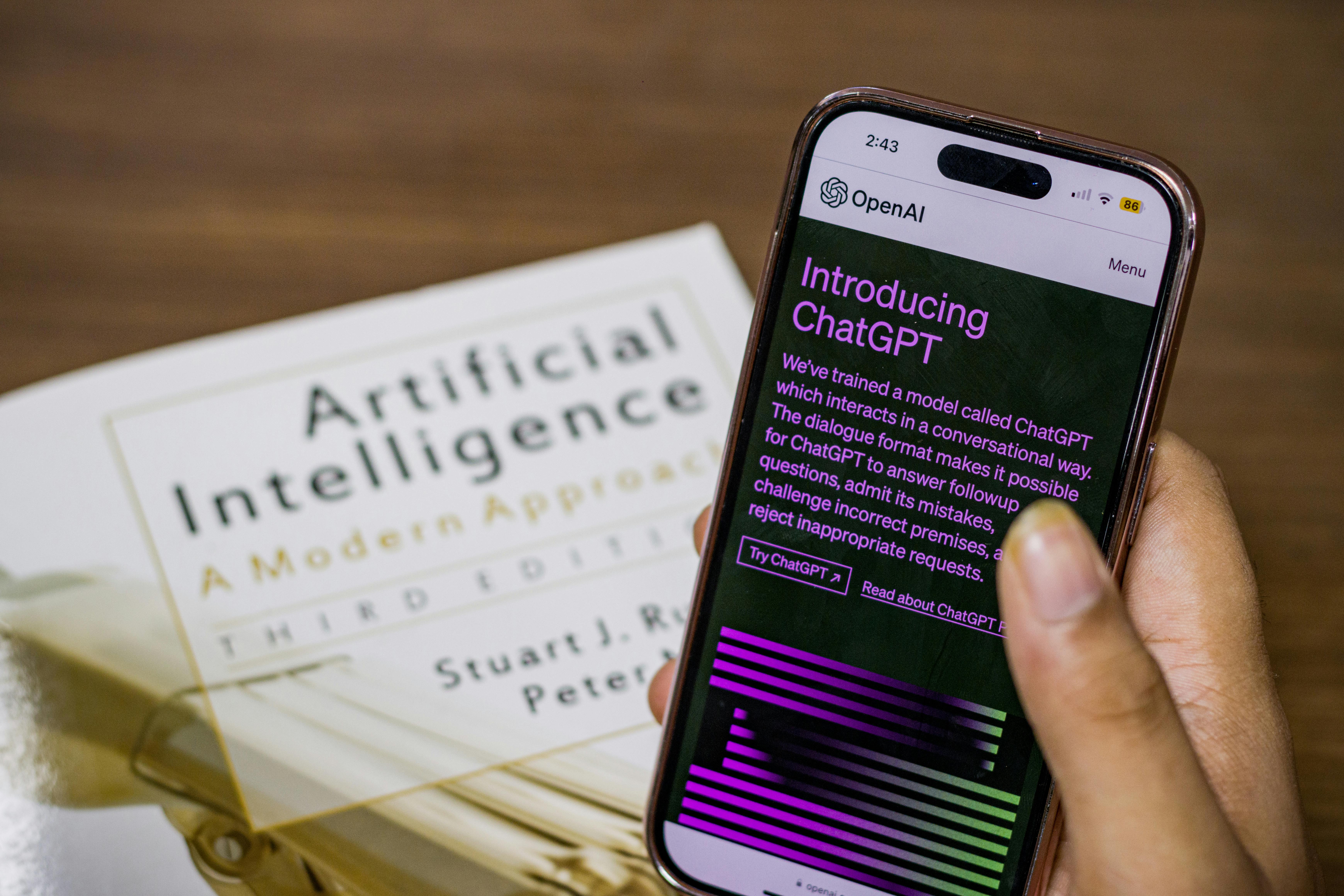
While OpenAI (the owner of ChatGPT) states in their Terms and Services that the user (you) owns the rights to any information given to the AI model, and to anything generated by the AI model, traditional publishers consider any fully AI-generated text as uncopyrightable. As suggested by the Author’s Guild, such AI-generated texts must be edited to fit your own words to be considered copyrightable. It is strongly suggested to only use AI in the form of developing ideas and storylines rather than generating passages or long bodies of text.
In other words, AI can help you form the pieces, but it’s up to you to assemble them.
Crafting a Proper AI Disclaimer for a Book
Currently, there is no industry standard wording that must be included in an AI-use disclaimer, so I suggest you construct your own! Crafting your own book copyright disclaimer that explains your AI use (or, lack of) is the best way to ensure your message to readers is phrased how you’d prefer.
Transparency
First and most importantly, remember your goal is transparency. As a self-published author, 100-percent honesty about any AI usage in your work establishes trust. Even if you merely used AI to develop a character’s background, let others know. AI usage is still controversial, so notifying your audience exhibits respect for them.
Clarity
Use clear language. Avoid confusing or vague terminology, technical or complicated speech and be direct and specific about how AI contributed to your book. If, for example, you only used AI to assist with artwork and visual elements, include that detail. If you used AI in character development, worldbuilding, or plot analysis, you might not need to list out every step at which you used that tool, but you want to include clear wording in the disclaimer for your book explaining to the reader that AI was used in developing the writing.
Human Review
In the past year, I have met some writers who have used AI to generate and edit the text of their book, and they chose to publish it without having a human read it first. Although this may be possible, it may not be the most efficient way to produce a commercially successful product. Readers often have strong negative reactions to AI-written books that have not been edited by a person, and the resulting backlash could prevent these writers from commercial success on any title under their name in the future.
Of course, I recommend every book be edited by a human professional. (Even if it was edited by AI, having a human proofreader do a final review isn’t a bad idea. *wink*)
Additionally, I have worked with some writers who used AI and wanted to let their readers know, but who also wanted to inform readers that the AI-written text had been reviewed and edited by a human professional to maintain accuracy and integrity. In this case, we added the information to their disclaimers so readers would be clear that the text was reader-friendly and as intended.
AI Book Disclaimer Examples
In the past year, I’ve drafted the two following examples of disclaimers for books by clients who wanted to address their use of AI in different ways.
Book Disclaimer Example 1: Use of AI in Artwork Only
This book contains images that were created with the assistance of artificial intelligence. The author used AI image-generation tools as part of the creative process. All content was reviewed and edited by a human to ensure accuracy and to align with the author’s voice and intent. The author takes full responsibility for the content of this publication.
Here, the author is transparent about AI use, clear about how it was used, and direct in describing what role humans played in reviewing the final product.
Book Disclaimer Example 2: Use of AI in the Writing Process
The author utilized artificial intelligence tools during the writing process to assist with organization of ideas. All content was reviewed and edited by a human to ensure accuracy and to align with the author’s voice and intent. The author takes full responsibility for the content of this publication.
Here, the author is also transparent about AI use and direct in describing the human role in reviewing the text. Because the author deployed AI to generate and organize her outline, then to review summaries of the chapters as they were drafted, they chose to clarify that AI was used during the organization of ideas.
To see more book disclaimer examples for text that incorporates AI, check out this article.
Remember: No matter how you used AI during your manuscript drafting, be transparent, clear, and responsible with your readers.

What if I Didn’t Use AI in My Book? What Should I Put in My Book Copyright Disclaimer?
Luckily, there is a solution for you!
The Authors Guild provides a Human Authored Certification mark, which can be used to signal to your readers that AI wasn’t used in any capacity in the writing of your book. As AI usage expands and people begin to question what is presented to them, this mark can offer a sense of reassurance that what you are providing them is completely original.
For Guild members, this certification is provided free of charge once the author agrees to the terms and conditions; for nonmembers, the cost is $10 per title in addition to the licensing and registration requirements.
Make Your Disclaimer for Your Book Your Own
Because you are self-publishing, you have a great deal of freedom with the final book copyright disclaimers in your published book. But as we all know: With great freedom comes…well, options. Sometimes also, errors.
Before even putting words on the page, remember that fully AI-generated passages are generally not accepted by publishers nor readers. It is your story, after all, and readers want your unique voice and style. Readers want emotion, creativity, and depth; readers want varied language. Readers want writing with soul. From brainstorming ideas to producing cover art, keep your writing human.